
7 min read
4.3
· 52,289 Amazon ratingsShare This Review
Sold on a Monday by Kristina McMorris Review: Gripping Depression-Era Historical Fiction
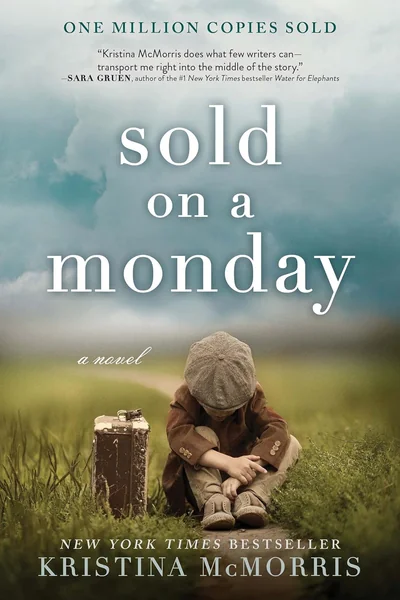
Kristina McMorris's Sold on a Monday is a New York Times and USA Today bestselling historical novel set against the hardscrabble backdrop of the Great Depression, drawing its central premise from an actual newspaper photograph that stunned the nation. Built around dual protagonists — reporter Ellis Reed and secretary Lily Miller — and a devastating decision involving two children, the novel weaves together themes of love, redemption, sacrifice, and the moral courage required to right an unimaginable wrong. Published by Sourcebooks Landmark in 2018, it stands as one of McMorris's most acclaimed works and has found a strong readership among fans of character-driven historical fiction.
LuvemBooks Verdict
Best for
Readers drawn to emotionally intense Depression-era historical fiction who want a story grounded in documented tragedy, centred on moral complexity, family bonds under duress, and the personal cost of doing the right thing.
Worth it if
The cumulative emotional weight and slow-burn momentum are what you're after — this novel rewards patience, building urgency across its dual narrative until the stakes become genuinely devastating.
Skip if
You prefer fast-starting historical fiction with a lighter emotional register or plot-driven propulsion from page one — the first half builds deliberately, and the consistently heavy tone is unrelenting.
What readers & critics say
Blurbs preserved at kristinamcmorris.com hail the novel as "both heartfelt and heartbreaking," crediting McMorris with brilliantly chronicling how "a moment's fateful choice can result in a lifetime of harrowing consequences." Readingladies.com offers a grounded endorsement, praising McMorris's vivid historical detail and her ability to convey the desperation of 1931, while bookbrowse.com's reader commentary describes it as "a beautiful story about caring and compassion" that is simultaneously heartwarming and heartbreaking.
Sources: kristinamcmorris.com, readingladies.com, bookbrowse.com, bookclubs.comAge & Reading Level
Recommended age
Adult
Reading level
Adult
2 content notes · who it suits
Content to know about
Skip if you prefer lighter historical fiction or stories that build momentum from the opening pages rather than accumulating weight gradually.
In This Review
- What Works & What Doesn't
- What the Novel Is and What Sets It in Motion
- Historical Setting and Atmosphere
- Craft, Structure, and Character Credibility
- Themes and Emotional Resonance
- Readership Fit and Honest Limitations
What Works & What Doesn't
What Works
- Rooted in a real historical photograph, giving the central premise documented moral and emotional weight
- Dual point-of-view structure handled with confidence, keeping both protagonists' decisions believable even as revelations escalate
- Depression-era setting functions as genuine moral pressure rather than backdrop, shaping every character choice
- Strong thematic through-line — redemption, motherhood, and personal sacrifice — sustained across the full narrative
- A New York Times and USA Today bestselling novel with broad appeal among historical fiction readers and book clubs
What Doesn't
- Some readers find the novel builds slowly, with the back half outpacing the first in momentum and urgency
- The emotional register is consistently heavy — readers seeking lighter historical fiction may find the cumulative weight demanding
What the Novel Is and What Sets It in Motion
Historical Setting and Atmosphere
Craft, Structure, and Character Credibility
Themes and Emotional Resonance
Readership Fit and Honest Limitations
Frequently Asked Questions
Sources & Further Reading
The key facts and claims in this review are grounded in the retrieved, verified sources listed below.
- Cited in this review
- 1
kristinamcmorris.com
- 2
readingladies.com
- 3
- Further reading
- 4
Kristina McMorris, Wikipedia
- 5
- 6
Related Reviews
Reviews of books we picked for readers who enjoyed Sold on a Monday.


Reader Comments
No comments yet
Be the first to share your thoughts!