
BOOKS
Published
Read Time
7 min read
Our Rating
4.2
Fletcher's behind-the-scenes chronicle of Ohtani's historic 2021 season combines exceptional access with clear technical explanations, though the chronological structure occasionally creates pacing issues.
Reviewed by
LuvemBooks
Share This Review
Sho-Time by Jeff Fletcher Review: Baseball's Ultimate Biography
Our Rating
4.2
Fletcher's behind-the-scenes chronicle of Ohtani's historic 2021 season combines exceptional access with clear technical explanations, though the chronological structure occasionally creates pacing issues.
In This Review
- What Works & What Doesn't
- The Two-Way Phenomenon Explained
- Behind the Scenes Access
- The Cultural Bridge
- Where the Narrative Stumbles
- Essential Reading for Baseball Enthusiasts
- Where to Buy
What Works & What Doesn't
What Works
- Unprecedented access to Ohtani and Angels organization provides unique insights
- Technical explanations make complex biomechanics accessible to general readers
- Cultural analysis adds valuable dimension beyond typical sports biography
- Strong historical context connecting Ohtani's achievements to baseball tradition
- Excellent character development showing Ohtani's work ethic and professionalism
What Doesn't
- Chronological structure creates repetitive pacing in middle chapters
- Limited critical analysis due to author's obvious admiration for subject
- Narrow focus on 2021 season leaves gaps in career overview
- Detailed game recaps occasionally overwhelm broader narrative themes
Is Sho-Time worth reading? A rare sports book that justifies its subject's hype — Fletcher's beat-reporter access and clear-eyed narration make Ohtani's 2021 season feel genuinely historic rather than merely impressive. For anyone seeking the best books about baseball in recent years, Jeff Fletcher's 2023 chronicle of Shohei Ohtani's historic 2021 season stands as essential reading. This isn't merely another sports biography—it's an intimate examination of baseball's most extraordinary talent redefining what's possible on the diamond.
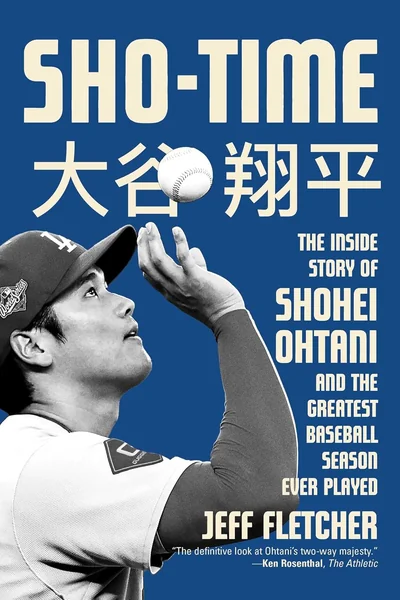
Fletcher, a veteran Angels beat reporter for The Athletic, brings unprecedented access to his subject matter. His daily coverage of Ohtani's Angels tenure provides insights that casual observers and even dedicated fans rarely glimpse. Where previous baseball narratives like Moneyball focused on analytical revolution or The Last Boy explored individual mythology, Sho-Time captures lightning in a bottle—documenting greatness as it unfolds.
The Two-Way Phenomenon Explained
The central challenge facing any Ohtani biographer involves explaining how one player can excel at baseball's two most demanding specialties simultaneously. Fletcher navigates this complexity with remarkable clarity, breaking down the biomechanical and strategic elements that make Ohtani's dual excellence possible.
The author meticulously chronicles Ohtani's 2021 campaign, when the Japanese superstar became the first player since Babe Ruth to maintain elite performance both pitching and hitting. Fletcher's technical explanations never overwhelm casual readers, yet they satisfy those seeking deeper understanding of Ohtani's unprecedented skill set. The book demonstrates how modern training methods, sports science, and organizational support systems enable what previous generations considered impossible.
Fletcher also contextualizes Ohtani's achievement within baseball history, drawing connections to Ruth while highlighting the vast differences between their respective eras. This historical perspective elevates Sho-Time beyond mere season recap into something approaching sports literature.
Behind the Scenes Access
Fletcher's greatest strength lies in his privileged access to Angels personnel, teammates, and Ohtani's inner circle. The book reveals the extensive planning required to manage a two-way player's workload, from pitch counts to recovery protocols. These operational details transform abstract admiration into concrete understanding of Ohtani's daily reality.
The author captures telling moments that illuminate Ohtani's character—his methodical preparation routines, his interactions with veteran teammates, and his navigation of American baseball culture. Fletcher presents Ohtani not as superhuman phenomenon but as dedicated professional pursuing excellence through systematic preparation and unwavering focus.
For readers who enjoyed sports narratives like The Boys in the Boat or Open, Fletcher's intimate portrayal offers similar behind-the-scenes authenticity. His journalist's eye zeroes in on moments like the Angels' internal debates over Ohtani's pitching schedule — the kind of specific operational detail that turns admiration into understanding.
The Cultural Bridge
One of Sho-Time's most valuable contributions involves exploring Ohtani's role as cultural ambassador between Japanese and American baseball traditions. Fletcher examines how Ohtani's training philosophy, rooted in Japanese baseball methodology, challenges conventional American approaches to player development.
The book addresses language barriers, cultural expectations, and media pressures that international players navigate. Fletcher's treatment of these themes provides sharper commentary on baseball's global reach than most baseball books manage, while keeping Ohtani's individual story at the center.
This cultural dimension distinguishes Sho-Time from typical sports biographies. Ohtani's success, as Fletcher frames it, isn't just personal — it marks a shift in how American baseball regards both international players and two-way versatility.
Where the Narrative Stumbles
Despite its considerable strengths, Sho-Time suffers from structural limitations inherent to its subject matter. The book's chronological approach, following Ohtani's 2021 season month by month, occasionally creates repetitive pacing. Fletcher's detailed game recaps, while informative, sometimes overwhelm the broader narrative arc.
The author's obvious admiration for his subject, while understandable, occasionally limits critical analysis. Fletcher rarely challenges Ohtani's decisions or examines potential weaknesses in his approach. The main weakness involves insufficient exploration of Ohtani's adjustment struggles and tactical failures during his early Angels tenure.
Additionally, Fletcher's focus on the 2021 season, while dramatic, limits the book's scope. Readers seeking comprehensive career overview or detailed childhood background will find gaps in the narrative timeline.
Essential Reading for Baseball Enthusiasts
Should you read Sho-Time? For anyone compiling their list of best books about baseball, Fletcher's work deserves serious consideration. The book succeeds in its primary mission: documenting one of baseball's most remarkable individual seasons while placing Ohtani's achievement in historical and cultural context.
Perfect for readers who want detailed sports journalism alongside real cultural insight, Sho-Time rewards both casual fans and serious students of the game. Fletcher's prose is clear enough to welcome newcomers without talking down to anyone who follows baseball closely.
The bottom line: Sho-Time stands among the best baseball books to read for understanding how modern baseball has changed. Fletcher caught a historic moment in real time — the journalistic precision shows, and so does the genuine excitement of watching Ohtani do things no one had done since Ruth.
Where to Buy
If you want the definitive account of Ohtani's 2021 season — told by the reporter who was there every day — Sho-Time earns a permanent spot on the shelf; check the Amazon link in the sidebar for the current price.