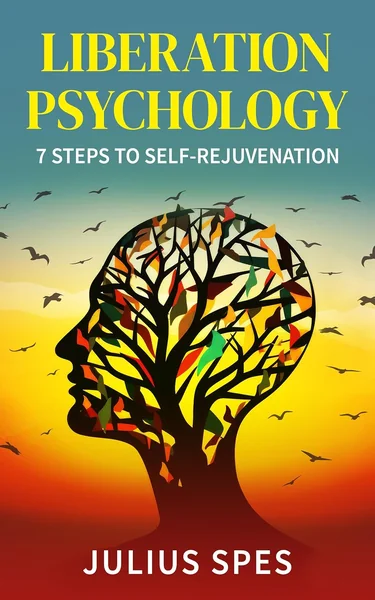
The Seven-Step Framework Examined
The book's central premise revolves around systematic psychological liberation through structured intervention. Spes argues that traditional therapeutic approaches often address symptoms rather than underlying patterns of mental constraint. His seven-step methodology attempts to bridge this gap by providing what he presents as actionable strategies for identifying and dismantling psychological barriers.
The framework moves from initial self-assessment through progressive stages of awareness, challenge, and integration. Each step builds upon previous work, creating what Spes describes as cumulative liberation from restrictive thought patterns and emotional responses. The approach emphasizes practical application over theoretical understanding, with exercises designed to produce measurable psychological shifts.
Unlike many self-help books that rely heavily on anecdotal evidence, Spes incorporates elements from cognitive behavioral therapy and mindfulness practices. The integration feels deliberate rather than superficial, suggesting the author has genuine familiarity with established therapeutic modalities.
Practical Applications and Exercises
The book's strength lies in its practical exercises and concrete implementation strategies. Rather than offering vague advice about positive thinking, Spes provides specific techniques for each stage of his liberation process. The exercises range from structured self-reflection prompts to behavioral experiments designed to test limiting beliefs.
The self-rejuvenation concept extends beyond simple mood improvement to encompass what Spes describes as fundamental personality restructuring. This ambitious scope distinguishes the book from lighter self-help offerings, though it also raises questions about realistic expectations for readers.
Each step includes diagnostic tools to help readers assess their current psychological state and measure progress. The systematic approach appeals to readers who prefer structured guidance over intuitive exploration, making it ideal for beginners seeking clear direction in personal development work.
Where the Method Falls Short
The book's main weakness lies in its occasionally grandiose claims about transformation speed and depth. Spes suggests that committed readers can achieve significant psychological liberation within months, a timeline that may prove unrealistic for many individuals dealing with deep-seated patterns.
The writing sometimes veers toward therapeutic jargon without sufficient explanation, potentially alienating readers unfamiliar with psychological terminology. While Spes attempts to make complex concepts accessible, certain sections require more careful exposition to serve general audiences effectively.
Additionally, the book lacks sufficient acknowledgment of situations requiring professional therapeutic intervention. The seven-step approach may provide valuable supplementary work, but Spes occasionally presents it as a complete alternative to traditional therapy, which could mislead readers with serious mental health concerns.
The Author's Therapeutic Perspective
Spes writes with apparent clinical experience, though he avoids detailing specific credentials or therapeutic background. His approach suggests familiarity with multiple therapeutic modalities, particularly cognitive behavioral techniques and mindfulness-based interventions. The integration feels organic rather than forced, indicating genuine understanding of these approaches.
The author's perspective emphasizes personal agency and individual responsibility for psychological change. While empowering in many contexts, this emphasis occasionally understates external factors that contribute to psychological distress, such as systemic issues or trauma histories requiring specialized intervention.
Target Audience and Practical Considerations
Liberation Psychology works best for readers who prefer systematic approaches to personal development and have basic familiarity with self-help concepts. The book assumes readers can engage in honest self-assessment and have sufficient emotional stability to work through challenging psychological material independently.
The seven-step structure makes the book particularly suitable for readers who have struggled with less organized self-help approaches. Those who appreciate clear progression markers and concrete exercises will find Spes' methodology more engaging than books offering primarily inspirational content.
However, readers seeking quick fixes or surface-level motivation may find the approach too demanding. The book requires sustained engagement and genuine commitment to the prescribed exercises, making it less suitable for casual self-help browsers.