From the Bronx to Broadway
Pacino's narrative begins in the South Bronx, where young Alfredo James Pacino navigated poverty, family dysfunction, and early acting dreams. His prose carries the same intensity he brings to his performances — direct, emotional, and never apologetic. The actor's working-class roots shaped not just his worldview but his approach to every role, from his breakthrough in The Godfather to his later stage work.
The memoir's structure mirrors Pacino's own artistic evolution, moving fluidly between chronological storytelling and thematic exploration. Rather than a simple career retrospective, this becomes an examination of how art and life intertwine, often painfully.
The Actor's Method and Madness
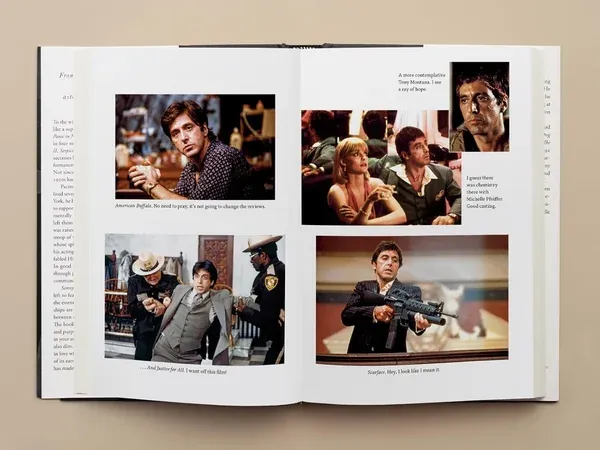
Pacino's dedication to his craft emerges as both his greatest strength and most destructive force. The book reveals how his famous intensity — that simmering volatility that defined characters like Tony Montana — stemmed from genuine emotional turmoil. His descriptions of preparing for roles read like case studies in method acting taken to extremes.
The writing captures Pacino's distinctive voice without falling into caricature. This isn't the shouting, passionate figure of memes and impressions, but a thoughtful artist reflecting on choices that brought both acclaim and personal cost. His prose style feels conversational yet precise, as if he's sitting across from you sharing stories over coffee.
The Al Pacino memoir introduces readers to the mentors, collaborators, and companions who shaped Pacino's path. His relationship with acting coach Lee Strasberg receives considerable attention, revealing how the Actors Studio became both sanctuary and crucible for the young performer. The book explores the pivotal figures who first recognized Pacino's potential during his early training.
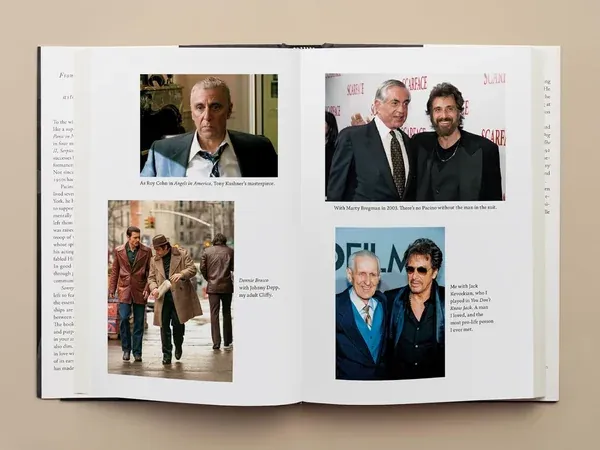
His complex relationship with fame comes through in candid discussions of friendships with fellow actors and directors. The book doesn't shy away from the isolation that success can bring, particularly for someone as intensely private as Pacino has remained throughout his career.
Love, Loss, and the Price of Stardom
Where the memoir truly shines is in its exploration of Pacino's personal relationships. His romantic life — including relationships with actress Diane Keaton and others — receives honest treatment without becoming exploitative. The actor examines how his commitment to his craft often came at the expense of lasting personal connections.
Particularly moving are his reflections on fatherhood and how becoming a parent later in life shifted his perspectives on both his career and his legacy. These sections reveal a vulnerability rarely seen in his public persona.
The main weakness lies in the memoir's occasional tendency toward repetition. Certain themes — the struggle between art and commercial success, the burden of fame — receive multiple treatments that could have been condensed. Some readers may find the introspective passages too lengthy, particularly those less interested in acting methodology.
Additionally, while Pacino is honest about his flaws, the book sometimes feels overly self-critical. The actor's tendency toward self-flagellation, while authentic, can become exhausting for readers hoping for more balance between triumph and struggle.
Worth the Emotional Investment
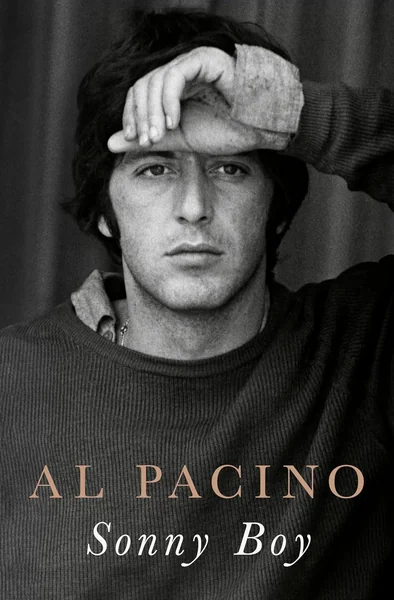
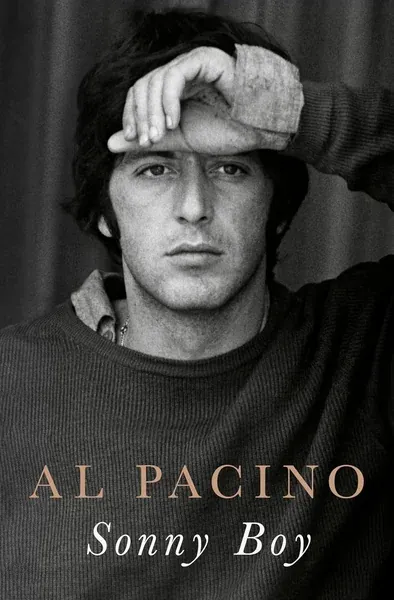
Al Pacino's Sonny Boy succeeds because it reads like a genuine attempt at self-understanding rather than a promotional exercise. This isn't a book for casual fans seeking Hollywood gossip, but for readers interested in the intersection of art and psychology. The memoir is best suited for serious film enthusiasts, aspiring actors, and anyone fascinated by the creative process.
At its core, Sonny Boy examines what it means to dedicate your life to an art form that demands everything while promising nothing. Al Pacino's unflinching honesty makes this one of the more authentic celebrity memoirs in recent years, even when that honesty becomes uncomfortable.
For readers seeking inspiration mixed with cautionary wisdom, Pacino delivers both in equal measure. The book reminds us that behind every iconic performance lies a human being grappling with universal questions of purpose, connection, and mortality.