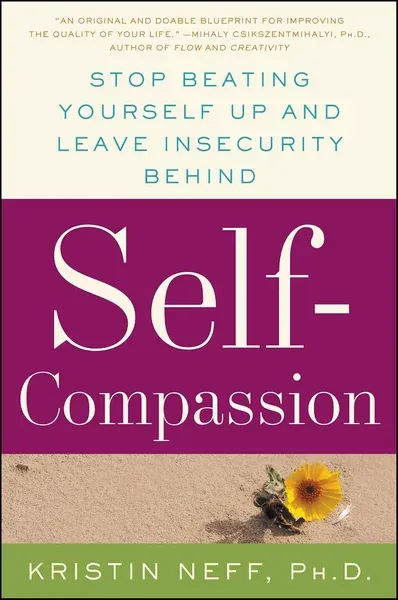
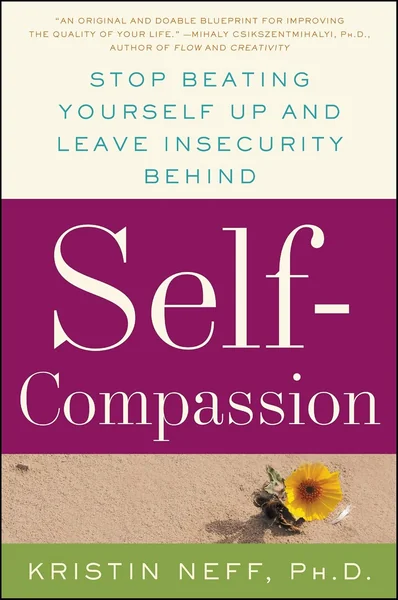
The Three-Component Framework That Changes Everything
Neff structures her entire approach around three interconnected elements: self-kindness, common humanity, and mindfulness. This isn't abstract philosophy but a practical system backed by extensive psychological research. Self-kindness replaces the harsh inner critic with a compassionate internal voice. Common humanity recognizes that struggle and imperfection are universal human experiences rather than personal failings. Mindfulness involves observing difficult emotions without getting swept away by them.
The author presents these components not as feel-good concepts but as measurable psychological skills. She draws from her academic background to explain how self-compassion activates the parasympathetic nervous system, reducing cortisol levels and promoting emotional regulation. Unlike generic self-help advice, Neff grounds every recommendation in peer-reviewed research, making her arguments compelling even for skeptical readers.
What sets this framework apart from traditional self-esteem approaches is its emphasis on acknowledging rather than avoiding difficult emotions. Instead of trying to think positively about failures, self-compassion teaches readers to sit with pain while responding with understanding. This distinction proves crucial for people who struggle with toxic positivity or find affirmations ineffective.
Practical Exercises That Actually Work
The book's strength lies in its concrete applications rather than theoretical discussions. Neff provides specific techniques like the Self-Compassion Break, which guides readers through a three-step process during moments of difficulty. She offers letter-writing exercises where readers address their struggles as they would console a friend, revealing how differently we speak to ourselves versus others.
For readers seeking actionable strategies, the guided meditations and reflection prompts feel genuinely useful rather than generic. The Loving-Kindness meditation adapted for self-compassion provides a structured way to develop warmer self-talk. The book includes assessment tools that help readers identify their current self-compassion levels across different life areas.
However, some exercises feel repetitive, particularly in later sections. Neff occasionally over-explains concepts that become clear through practice, making certain portions feel more academic than necessary. The writing sometimes lacks the engaging narrative style found in books like Rising Strong, though the practical value compensates for less dynamic prose.
Research-Backed Benefits and Limitations
Neff's academic credentials shine through her thorough presentation of research findings. She demonstrates how self-compassion correlates with reduced anxiety, decreased depression, and improved motivation. Unlike self-esteem, which often depends on outperforming others, self-compassion provides stable emotional support regardless of external circumstances.
The book effectively addresses common misconceptions, particularly the fear that self-compassion leads to laziness or self-indulgence. Neff presents compelling evidence that self-compassionate people actually show greater motivation for improvement because they're not paralyzed by self-criticism. This research-backed approach makes the book particularly valuable for readers who need logical convincing alongside emotional appeals.
Where the book feels less comprehensive is in addressing severe mental health conditions. While Neff acknowledges when professional help is needed, readers dealing with clinical depression or trauma may find the techniques insufficient without therapeutic support. The cultural context also skews toward Western, individualistic perspectives, though Neff does incorporate Eastern philosophical traditions.
Who Benefits Most From This Approach
Self-Compassion works best for readers who recognize their own harsh inner critic and want evidence-based alternatives to self-criticism. Perfectionists, high achievers, and people struggling with shame will find the concepts particularly relevant. Parents seeking to model healthier self-talk for their children also gain valuable insights into breaking cycles of self-criticism.
The book proves especially helpful for readers who've found traditional positive thinking ineffective. If affirmations feel false or self-esteem techniques backfire, Neff's approach offers a more sustainable foundation for emotional well-being. Mental health professionals frequently recommend this book to clients learning to develop a healthier internal dialogue.
However, readers seeking quick fixes or dramatic life changes may find the approach too gradual. The main weakness lies in the book's methodical pace, which prioritizes thorough understanding over rapid transformation. Some readers also struggle with the Buddhist-influenced concepts if they prefer purely secular approaches to personal development.
A Foundational Text Worth the Investment
Self-Compassion stands as an essential read for anyone interested in evidence-based approaches to emotional well-being. Neff's combination of rigorous research and practical application creates a resource that remains relevant years after publication. While the writing style occasionally feels academic, the core concepts have influenced countless subsequent works in psychology and self-help.
The bottom line: this book offers a genuinely different approach to personal growth that prioritizes sustainable change over temporary motivation. Readers willing to practice the techniques consistently will likely find lasting benefits, though those seeking entertainment or quick inspiration should look elsewhere. For building a foundation of emotional resilience, few books match Neff's thorough and compassionate approach.