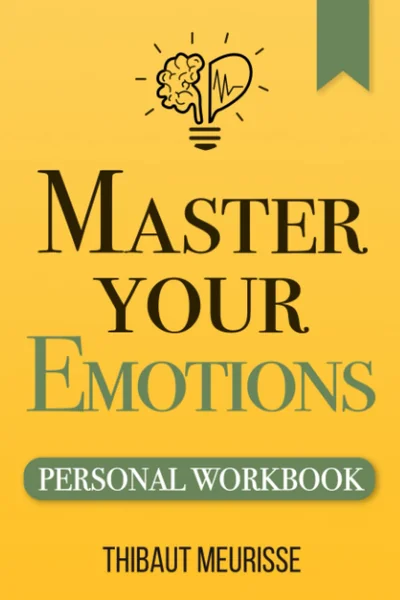
A Framework for Emotional Architecture
Meurisse structures his approach around what he terms "emotional architecture"—the deliberate construction of mental habits that support emotional stability. Rather than diving into the psychological theory behind negative emotions, the workbook immediately presents readers with assessment tools and intervention strategies. This methodology assumes readers want solutions more than explanations, a assumption that proves both the book's strength and limitation.
The author breaks emotional management into digestible components: identifying triggers, interrupting negative patterns, and building sustainable replacement behaviors. Each section includes worksheets designed for immediate application, distinguishing this guide from purely theoretical approaches. The exercises range from simple mood tracking charts to more complex cognitive restructuring activities that require sustained effort over weeks.
The workbook's greatest strength lies in its systematic progression from basic awareness to advanced emotional regulation techniques. Meurisse doesn't assume readers possess foundational knowledge about their emotional patterns, beginning instead with diagnostic exercises that help identify personal triggers and response patterns. The mood tracking templates prove particularly valuable, offering structure for readers who struggle with emotional awareness.
The cognitive reframing exercises demonstrate practical application of CBT principles without requiring therapeutic supervision. Unlike many self-help books that offer vague advice about "changing your mindset," Meurisse provides specific scripts and question frameworks for challenging negative thoughts. For readers who want actionable strategies, these tools offer immediate applicability to real-world situations.
The workbook format encourages active engagement rather than passive reading. Space for written responses and reflection questions force readers to process concepts actively, increasing retention compared to traditional book formats. The visual layout supports different learning styles, incorporating charts, diagrams, and structured templates alongside text-based instruction.
Where the Approach Falls Short
The main weakness emerges from the workbook's narrow focus on individual emotional regulation without addressing systemic factors that contribute to emotional distress. Meurisse treats negative emotions primarily as personal management problems, giving limited attention to external circumstances that legitimately warrant emotional responses. This individualistic framework may feel inadequate for readers facing genuine external stressors like financial insecurity, relationship conflicts, or workplace toxicity.
The writing style, while accessible, occasionally veers toward oversimplification. Complex emotional patterns receive treatment that feels superficial compared to comprehensive therapeutic approaches. Readers dealing with clinical depression or anxiety disorders may find the strategies insufficient as standalone interventions, though Meurisse does acknowledge the limitations of self-help approaches for serious mental health conditions.
The exercises themselves vary significantly in quality. Early sections provide well-structured, evidence-based activities that reflect solid understanding of cognitive behavioral principles. Later chapters introduce techniques that feel less grounded in established psychological research, relying more on popular psychology concepts than validated therapeutic methods.
Comparing Approaches in the Emotional Management Space
Within the crowded field of emotional self-help, this workbook occupies middle ground between academic rigor and popular accessibility. It offers more structure than typical motivational texts while remaining less comprehensive than clinical workbooks designed for therapeutic settings. Readers seeking deeper theoretical understanding might prefer Emotional Intelligence 2.0, while those wanting lighter, more narrative approaches might choose The Gifts of Imperfection.
The workbook format proves more engaging than traditional self-help books for readers who learn through doing rather than reading. However, this same format may feel tedious for those who prefer continuous narrative or comprehensive theoretical frameworks. The success of Meurisse's approach depends heavily on reader commitment to completing exercises rather than simply absorbing information passively.
Who Benefits Most From This Systematic Approach
Master Your Emotions works best for readers who recognize patterns of negative thinking but struggle with implementation of change strategies. The structured approach suits individuals who respond well to step-by-step guidance and benefit from external organization of their emotional work. College students, young professionals, and others facing transitional life periods may find particular value in the systematic skill-building approach.
The workbook proves less suitable for readers seeking deep psychological insight or those dealing with trauma-related emotional challenges. While Meurisse acknowledges these limitations, readers with complex emotional histories may need more comprehensive therapeutic support than any self-help workbook can provide. The approach assumes a baseline level of emotional stability that allows for structured self-reflection and behavior modification.
Our Assessment of This Emotional Management Guide
Meurisse delivers a competent, if unremarkable, contribution to the emotional self-help genre. The workbook succeeds in its stated goal of providing practical tools for negative emotion management, though it breaks little new ground in terms of methodology or insight. The systematic approach offers genuine value for readers who have struggled to implement emotional regulation strategies from other sources.
The bottom line: Master Your Emotions provides solid, actionable guidance for emotional regulation without revolutionary insights or groundbreaking approaches. Readers seeking their first structured approach to emotional management will find useful tools, while those familiar with CBT principles may discover little that feels novel or advanced.