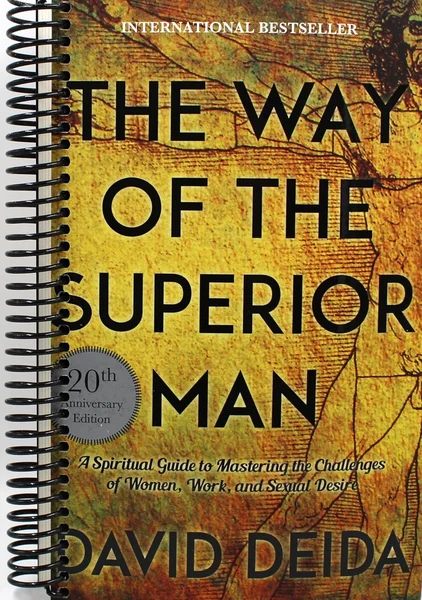
Deida's Spiritual Framework for Modern Men
The author constructs his teachings around the concept of masculine and feminine energies - not as biological traits, but as spiritual polarities that exist within all people. According to Deida, men typically embody masculine energy characterized by direction, purpose, and presence, while being naturally attracted to feminine energy's flow, radiance, and emotional depth.
This framework becomes the foundation for Deida's advice on everything from career decisions to sexual intimacy. He argues that many modern men have become disconnected from their authentic masculine essence, leading to relationship difficulties and a general sense of purposelessness. The "superior man" in his terminology isn't about dominance or superiority over others, but rather about mastering one's own spiritual and emotional development.
The writing style is direct and often provocative, designed to challenge readers' assumptions about gender roles and relationships. Deida doesn't shy away from making bold claims that feel deliberately controversial, which serves both to grab attention and force readers to examine their own beliefs.
Practical Applications and Exercises
The book offers concrete practices rather than abstract philosophy. Deida provides meditation techniques, communication strategies, and what he calls "spiritual disciplines" designed to cultivate masculine presence. These range from breathing exercises to specific approaches for handling conflict in relationships.
One of the most discussed concepts is his advice on maintaining emotional steadiness during a partner's emotional storms. Deida suggests that rather than trying to fix or change a partner's emotions, the spiritually mature man learns to remain present and grounded while offering loving support. This approach has resonated with many readers who struggled with traditional relationship advice.
The career guidance focuses less on climbing corporate ladders and more on aligning work with deeper purpose. Deida argues that true masculine fulfillment comes from contributing something meaningful to the world, rather than simply accumulating wealth or status. He encourages readers to view their professional lives as opportunities for spiritual growth and service.
Where the Teaching Gets Controversial
The book's most problematic aspect lies in its rigid gender binary framework. Deida's assumption that men are naturally masculine and women naturally feminine ignores the reality of gender fluidity and individual variation. His advice often relies on sweeping generalizations about how men and women behave in relationships, which can feel reductive and outdated.
Critics rightfully point out that the book's heteronormative assumptions exclude LGBTQ+ readers entirely. The spiritual practices themselves may have value, but they're embedded within a framework that many find unnecessarily restrictive. Some passages read like biological essentialism dressed up in spiritual language.
The relationship advice, while sometimes insightful, can veer into territory that feels manipulative or emotionally distant. Deida's emphasis on masculine "detachment" during emotional conversations has been criticized for potentially encouraging emotional unavailability rather than genuine intimacy.
A Dated Approach to Timeless Questions
Reading this work today reveals both its insights and limitations. The core questions Deida addresses - how to find purpose, create authentic intimacy, and integrate spirituality into daily life - remain relevant. His emphasis on personal responsibility and spiritual growth offers valuable counterpoints to victim mentality and external blame.
However, the gender-essentialist framework feels increasingly dated as society's understanding of gender continues evolving. The book's insights about presence, purpose, and spiritual practice could be valuable without the rigid masculine/feminine categorizations that define much of the text.
The 20th anniversary edition includes additional material, but doesn't substantially update the core teachings to address these fundamental limitations. Readers seeking the spiritual practices might find value while mentally bracketing the gender theory that surrounds them.
Who Should Consider This Polarizing Guide
This book works best for readers specifically seeking a spiritual approach to masculinity and willing to critically evaluate its gender assumptions. Men struggling with purpose, relationship dynamics, or spiritual disconnection may find useful practices buried within the controversial framework.
Skip this book if you're looking for evidence-based relationship advice, inclusive perspectives on gender, or practical guidance that doesn't require extensive philosophical buy-in. The spiritual practices require significant commitment and aren't presented in isolation from Deida's broader theoretical framework.
The work might appeal to readers already familiar with men's spiritual movements or tantric practices, but it's not an ideal introduction to either field. Those interested in masculine archetypes might find King Warrior Magician Lover more psychologically grounded, while readers seeking relationship advice would benefit more from research-based approaches like those in Gottman's Seven Principles.