A Philosophy of Creative Living
Rubin structures his insights into short, digestible chapters that read more like meditations than traditional instruction. Each section explores different aspects of the creative process—from noticing subtle details in daily life to understanding the role of limitations in sparking innovation.
The writing feels deliberately spare, almost zen-like in its simplicity. Where other creativity books might overwhelm with exercises and frameworks, Rubin offers gentle observations and philosophical reflections. His prose mirrors his production philosophy: strip away the unnecessary to reveal what's essential.
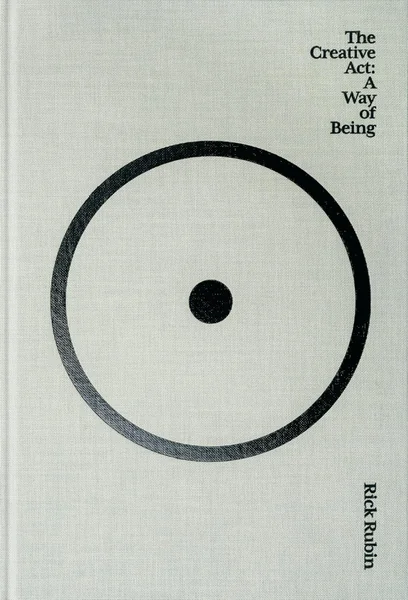
The book's visual design reinforces this minimalist approach. The clean typography and generous white space create a contemplative reading experience that matches the content's meditative quality.
Rubin's Approach to Creative Wisdom
Rather than positioning himself as the expert dispensing advice, Rubin presents himself as a fellow traveler sharing observations from his journey. This humility distinguishes the book from ego-driven creativity guides written by successful artists explaining their personal methods.
The core thesis is simple: creativity isn't a skill to be learned but a natural state to be uncovered. Rubin argues that we're all born creative, but social conditioning and self-doubt obscure this innate capacity. His role becomes helping readers remove obstacles rather than adding new techniques.
The approach draws heavily from Eastern philosophy and mindfulness practices. Concepts like non-attachment, beginner's mind, and present-moment awareness appear throughout, though Rubin translates these ideas into practical creative contexts rather than abstract spiritual teachings.
Practical Insights Within the Philosophy
While philosophical in tone, the book offers concrete guidance for creative practitioners. Rubin addresses common creative challenges: dealing with criticism, overcoming perfectionism, knowing when a project is finished, and maintaining inspiration during difficult periods.
The practical exercises are subtle—more like gentle suggestions than formal assignments. Rubin might encourage readers to notice how different environments affect their creative energy or to experiment with creating without specific goals in mind.
For working artists, the book provides valuable perspectives on collaboration, revision, and the business side of creative work. Rubin's experience producing albums offers insights into how commercial pressures can either enhance or diminish artistic integrity.
The advice feels particularly relevant for digital-age creators struggling with constant comparison and social media pressures. Rubin advocates for authentic expression over viral content, a message that resonates in our attention-economy culture.
Where Philosophy Meets Limitation
The book's strength—its philosophical depth—also represents its main weakness. Readers seeking specific techniques or step-by-step processes may find Rubin's approach too abstract. The meditative style that some find inspiring others might experience as vague or unhelpfully general.
The short chapter format, while accessible, sometimes prevents deeper exploration of complex topics. Just as a concept begins to develop, the chapter ends, leaving readers wanting more substantial analysis.
Additionally, Rubin's perspective reflects his privileged position in the music industry. His advice about following artistic vision regardless of commercial concerns assumes a level of financial security many creators don't possess. The book acknowledges this tension but doesn't fully grapple with the practical realities facing emerging artists.
Who Should Embrace This Creative Philosophy
The Creative Act works best for readers already engaged in creative practice who seek philosophical framework rather than tactical instruction. Experienced artists, writers, musicians, and designers will find value in Rubin's perspective on maintaining creative authenticity throughout a career.
The book also serves readers experiencing creative blocks or those questioning whether their artistic pursuits have value. Rubin's reassuring tone and universal approach to creativity can help restore confidence in one's creative instincts.
However, complete beginners might benefit from more structured creativity books like The Artist's Way before diving into Rubin's philosophical approach. Similarly, readers preferring concrete exercises and measurable outcomes may find the contemplative style frustrating.
For anyone curious about the intersection of Eastern philosophy and Western creative practice, this book offers a unique synthesis that feels both timeless and relevant to contemporary creative challenges.