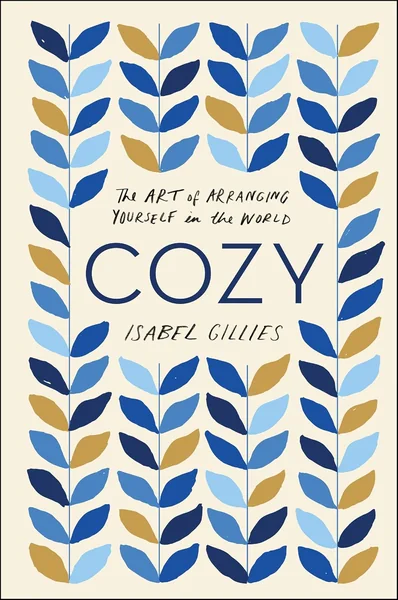
The Philosophy Behind Comfort
Gillies presents comfort not as laziness or self-indulgence, but as a deliberate practice of self-awareness and intentional living. Her approach challenges the common assumption that comfort equals complacency. Instead, she argues that true comfort comes from alignment – when our external circumstances match our internal values and needs.
The author explores how modern society has created a false dichotomy between ambition and contentment. Her writing suggests that we can pursue meaningful goals while still prioritizing our well-being and authentic selves. This perspective feels particularly relevant for readers experiencing burnout or questioning whether constant striving is sustainable.
What sets this book apart from similar lifestyle philosophies is Gillies's emphasis on practical wisdom over theoretical concepts. She doesn't advocate for complete withdrawal from the world, but rather for more thoughtful engagement with it.
Gillies's Conversational Wisdom
The author's voice throughout the book feels genuinely warm and unpretentious. Gillies writes as someone who has wrestled with these questions personally rather than as an expert dispensing advice from on high. Her prose style balances accessibility with depth, making complex ideas about authentic living feel approachable.
Unlike most lifestyle books, Gillies avoids the trap of presenting her philosophy as a one-size-fits-all solution. She acknowledges that comfort looks different for different people and that the path to authentic living isn't uniform. This nuanced approach strengthens her credibility and makes the book more inclusive.
Her storytelling weaves together personal anecdotes with broader cultural commentary, creating a narrative that feels both intimate and universal. The writing maintains momentum without feeling rushed, reflecting the very philosophy she advocates.
Practical Applications and Real-World Advice
While philosophical in nature, the book offers concrete suggestions for implementing comfort practices in daily life. Gillies addresses everything from home organization to relationship boundaries, showing how her philosophy translates into actionable choices.
The practical elements never feel prescriptive or rigid. Instead, they serve as examples and starting points for readers to develop their own comfort practices. This approach respects individual differences while providing enough structure to be genuinely helpful.
For readers seeking immediate life changes, some may find the book's gentle pace frustrating. Gillies prioritizes reflection and gradual shifts over dramatic overhauls, which aligns with her philosophy but may not satisfy readers wanting quick fixes.
Where the Manifesto Shines and Stumbles
The book's greatest strength lies in its authentic voice and genuine wisdom. Gillies has clearly lived the philosophy she promotes, and this authenticity permeates every page. Her insights about comfort and intentional living feel earned rather than theoretical.
However, the book occasionally suffers from a lack of diverse perspectives. Gillies writes from a particular socioeconomic position that may not reflect the realities of all readers seeking comfort and authenticity. The main limitation is that some of her suggestions assume a level of choice and flexibility that isn't available to everyone.
The pacing, while generally effective, sometimes feels uneven. Certain sections could benefit from tighter editing, and some philosophical points are repeated more than necessary. Despite these minor issues, the overall message remains compelling and valuable.
A Gentle Revolution Worth Joining
Is this book highly recommended? For readers ready to question cultural assumptions about success and productivity, absolutely. Gillies offers a thoughtful alternative to the constant-hustle mentality without advocating for complete disengagement from meaningful work or relationships.
The book works best for readers who appreciate nuanced thinking over simple formulas. It's particularly valuable for those experiencing transitions, burnout, or a general sense that their current lifestyle doesn't align with their values. Parents, in particular, may find Gillies's approach to balancing ambition with presence especially relevant.
The bottom line: Cozy succeeds as both a philosophical exploration and a practical guide for more intentional living. While it won't appeal to readers seeking dramatic transformation strategies, it offers something potentially more valuable – permission to prioritize comfort and authenticity in a culture that often dismisses both.