A Chef's Authentic Mediterranean Perspective
Karadsheh's background as the founder of the popular Mediterranean food blog "The Mediterranean Dish" translates well to book form. Her writing style strikes a balance between accessible instruction and cultural storytelling. Each recipe includes context about its origins, making this more than a simple collection of instructions.
The cookbook's organization follows a logical progression from basics to more complex dishes. The spice blends and foundational recipes appear early, giving readers the building blocks for more elaborate meals. This structural choice shows Karadsheh understands how home cooks actually learn and build confidence in unfamiliar cuisines.
Her recipe writing avoids the overly casual tone that plagues many food blogs. Instructions are clear without being patronizing, and ingredient lists include both common and specialty items with adequate substitution guidance.
Recipes That Actually Work in American Kitchens
The 120 recipes range from weeknight-friendly to weekend projects, with a realistic assessment of prep times and skill levels. Karadsheh doesn't fall into the trap of claiming every dish takes "just 30 minutes" when proper technique requires more time.
The vegetable-forward approach aligns with authentic Mediterranean eating patterns. Meat appears as one component rather than the star, which may disappoint readers expecting protein-centric meals. The emphasis on olive oil, herbs, and fresh produce creates dishes with genuine Mediterranean character.
Standout recipes include her tahini-based sauces, which elevate simple vegetables into memorable sides. The grain salads incorporate techniques that prevent the mushiness common in amateur attempts. Her approach to seafood cooking respects the ingredient without overcomplicating preparation.
Bold Flavors Meet Practical Cooking
What sets this cookbook apart is Karadsheh's willingness to use assertive seasonings. Many Mediterranean cookbooks shy away from strong flavors, assuming American palates prefer mild food. This collection embraces sumac's tartness, za'atar's complexity, and the heat of Aleppo pepper.
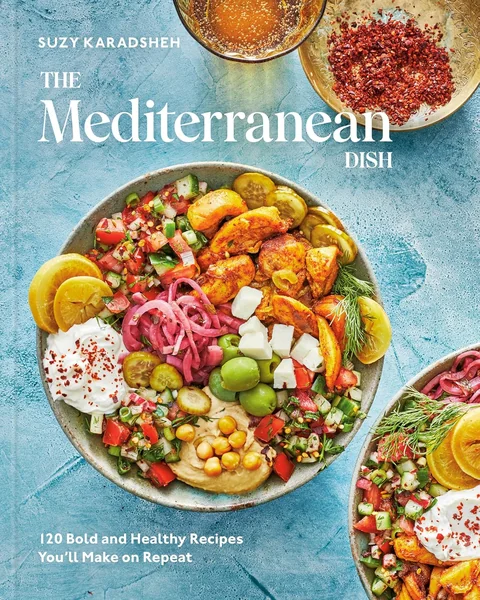
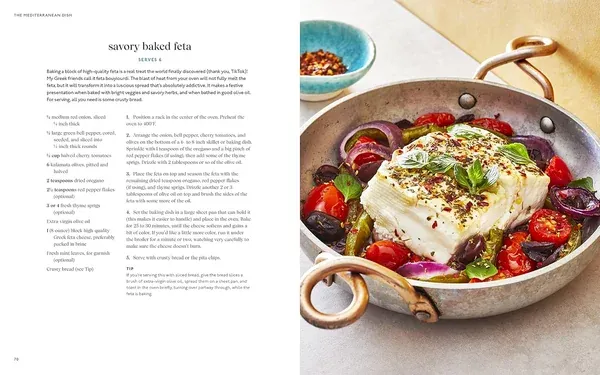
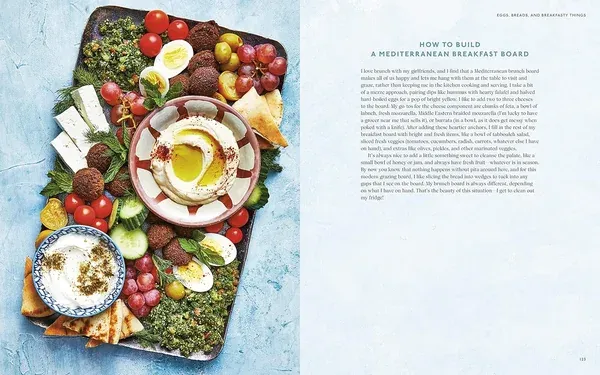
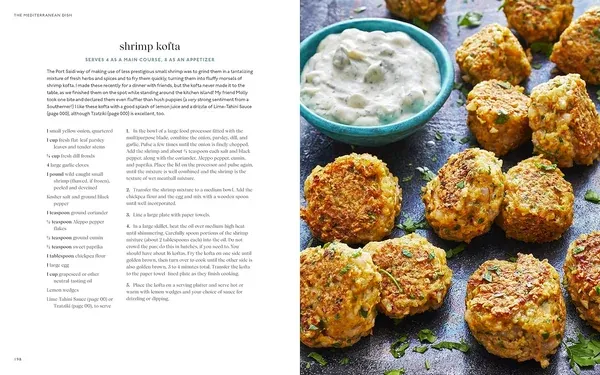
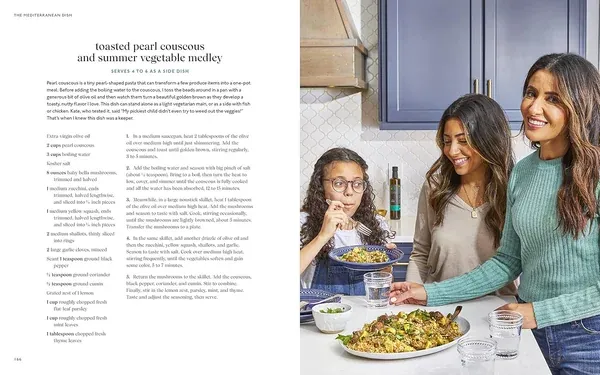
The photography supports the recipes without overwhelming them. Clean, natural styling lets the food's colors and textures communicate appetite appeal. Unlike cookbooks where impossible-to-replicate styling discourages actual cooking, these images look achievable in home kitchens.
Practical elements include shopping guides for Middle Eastern ingredients and storage tips for homemade spice blends. Karadsheh acknowledges the reality that specialty ingredients aren't available everywhere, providing mail-order sources and reasonable substitutions.
Where the Cookbook Falls Short
The main limitation lies in recipe testing for varying skill levels. Some dishes assume familiarity with techniques like proper tahini emulsification or achieving the right consistency for hummus. Beginning cooks may struggle without more detailed troubleshooting guidance.
The cookbook also leans heavily toward vegetarian and seafood dishes, which limits its appeal for households that prefer meat-centric meals. While this reflects authentic Mediterranean eating patterns, it may frustrate readers seeking more poultry and lamb recipes.
Portion sizes occasionally feel inconsistent, with some recipes serving two and others easily feeding six. This inconsistency makes meal planning challenging, particularly for families trying to coordinate multiple dishes.
Perfect for Adventurous Home Cooks
The Mediterranean Dish works best for intermediate home cooks ready to expand their flavor repertoire. Readers comfortable with basic knife skills and familiar with cooking grains and legumes will find these recipes rewarding rather than intimidating.
This cookbook isn't ideal for complete beginners or cooks seeking quick weeknight solutions exclusively. The focus on authentic flavors requires ingredient shopping beyond typical supermarket offerings, though Karadsheh provides adequate guidance for sourcing specialty items.
Fans of cookbooks like Jerusalem by Yotam Ottolenghi will appreciate Karadsheh's similar approach to bold Middle Eastern flavors adapted for home cooking. The bottom line: this cookbook delivers on its promise of bold, healthy recipes worth repeating, provided you're willing to seek out quality ingredients and embrace assertive seasonings.