

9 min read
4.7
· 443 Amazon ratingsShare This Review
The 48 Laws of Power by Robert Greene Review: A Provocative, Enduring Self-Help Classic
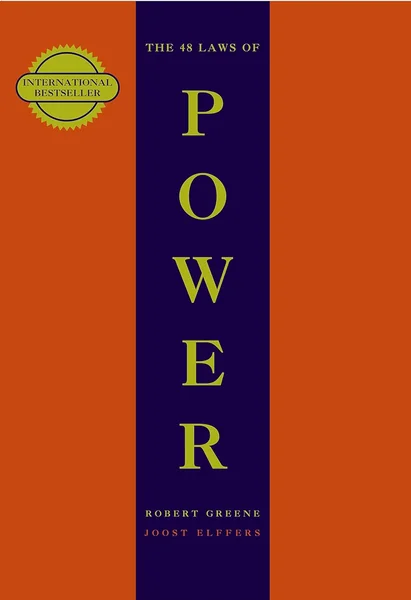
Robert Greene's The 48 Laws of Power distills three thousand years of historical power dynamics into 48 discrete laws, drawing on the philosophies of Machiavelli, Sun Tzu, and Carl Von Clausewitz alongside case studies from figures ranging from Henry Kissinger to P.T. Barnum. A New York Times bestseller that has sold over 1.2 million copies in the United States and been translated into 24 languages, it remains one of the most discussed and debated self-help books of its era — celebrated for its historical breadth and condemned in equal measure for its unapologetically amoral worldview.
LuvemBooks Verdict
Best for
Readers who want an unflinching, historically grounded analysis of how power actually operates — in workplaces, politics, creative industries, and interpersonal dynamics — and who can engage with it as a strategic and descriptive reference rather than a moral guide.
Worth it if
You approach it as a centuries-spanning study of real-world power behaviour — useful both for understanding how influence is acquired and for recognising when its tactics are being used against you — rather than expecting an ethical roadmap to leadership.
Skip if
You're looking for a prescriptive, morally grounded guide to ethical success — the book's deliberately amoral framing, which presents manipulation and ruthlessness as neutral strategic tools without any moral scaffolding, will be a genuine and persistent obstacle.
What readers & critics say
Wikipedia's reception record notes that several scholars and critics have praised the book for its in-depth research and examples, while others criticise it as unethical and not built upon valid research methodology. Kirkus Reviews described it as a possible "brilliant satire" or, if taken seriously, a "silly, distasteful" compendium of ruthlessness — capturing the sharp divide that has followed the book for decades.
“If the authors are serious, this is a silly, distasteful book. If they are not, it's a brilliant satire.”
— Kirkus ReviewsAsk LuvemBooks
Was this helpful?
- Is it worth reading?
- The 48 Laws of Power is worth reading for anyone who wants an unflinching, historically grounded analysis of how power operates — in workplaces, politics, creative industries, and interpersonal relationships. Critical coverage has described it as "satisfyingly dense and literary, with fantastic examples of genius power-game players," and People magazine called it "beguiling" and "fascinating." The key caveat is its deliberately amoral stance: Greene presents manipulation and ruthlessness as strategic tools without ethical guidance, and critics have challenged the rigour of its research methodology. Readers who approach it as descriptive analysis — useful both for acquiring influence and for recognising when its tactics are being deployed against them — will find the most value.
- Similar books
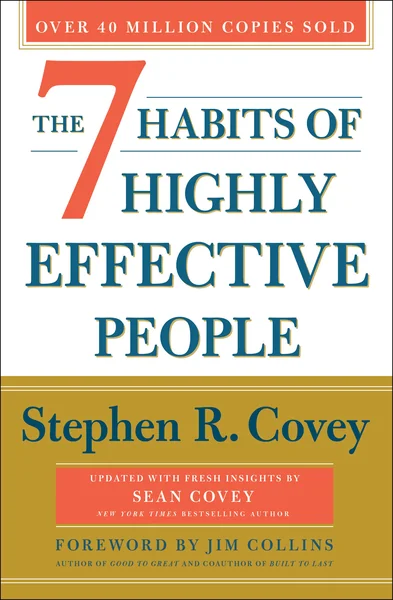
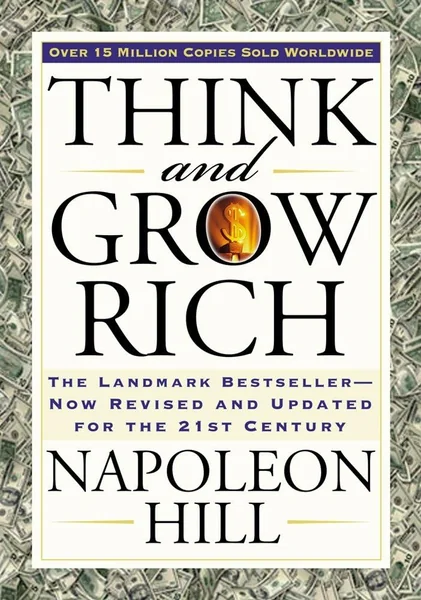
- Readers drawn to The 48 Laws of Power will find natural companions in the works that directly inspired it. Sun Tzu's The Art of War and Niccolò Machiavelli's The Prince are the philosophical ancestors Greene draws on most heavily, both offering amoral strategic thinking rooted in historical observation. Robert Greene's own The Laws of Human Nature extends his method into psychology and human behaviour. Napoleon Hill's Think and Grow Rich and Stephen R. Covey's The 7 Habits of Highly Effective People offer contrasting approaches — more prescriptive and values-oriented — for readers who want power and success literature with an ethical dimension.
- Who should read this?
- The 48 Laws of Power is designed for readers who want to understand power dynamics as they exist in the real world — in workplaces, politics, creative industries, and interpersonal relationships. Its documented readership is unusually broad: hip-hop artists including DJ Premier and Calvin Harris have cited its influence, as have Hollywood figures, business strategists, and incarcerated readers who encounter power structures in their starkest form. Rapper 50 Cent's immediate personal connection to the work led to a later collaboration with Greene on The 50th Law. Readers seeking ethical frameworks for leadership, or those who want a prescriptive guide to moral success, will find the book's deliberately amoral stance a genuine obstacle.
- About Robert Greene
- Robert Greene is an American author of books on strategy, power, and seduction.
- Why is this book trending?
- The 48 Laws of Power is experiencing a resurgence of attention, with readers sharing PDFs and debating its ideas widely across online platforms. In uncertain times, there is a recurring appetite for books that promise to decode how power actually works — and Greene's 1999 classic keeps finding new readers precisely because its core subject matter, the mechanics of influence and control, never goes out of date. Its cross-demographic appeal, from hip-hop culture to business strategy circles to prison libraries, means it is always circulating somewhere, and online communities continually rediscover it.
- How does this compare to The Laws of Human Nature?
- Both The 48 Laws of Power and The Laws of Human Nature deploy Greene's signature method of dense historical case studies to extract actionable principles, but they differ significantly in tone and focus. The 48 Laws of Power is explicitly amoral and concerned with acquiring and wielding influence; The Laws of Human Nature takes a broader psychological lens, focusing on understanding and managing human behaviour. Readers who find the amorality of the former a sticking point often find the latter a more accessible entry point into Greene's thinking.
Summarize this book
Follow up
Synthesized from verified book data & published reviews · How we review
Press Enter to ask. Answers come from our editorial Q&A — start typing to see related questions.
Age & Reading Level
Recommended age
Adult
Reading level
Adult
2 content notes · who it suits
Content to know about
Skip if you're looking for an ethical, values-driven framework for leadership or personal success.
Our Review
What the Book Is and What It Contains
Origins and Cultural Reach
Strengths: Historical Depth and Structural Clarity
The Central Controversy: Amorality as Feature and Flaw
Who This Book Is and Is Not For
Sources & Further Reading
The key facts and claims in this review are grounded in the retrieved, verified sources listed below.
- Cited in this review
- 1
penguinrandomhouse.com
- 2
en.wikipedia.org
- 3
- Further reading
- 4
Robert Greene, Wikipedia
- 5
- 6
thepowermoves.com
- 7
thecritiquemagazine.com
- 8
- 9
pragyata.com
- 10
bookishinsights.com
- 11
Books like The 48 Laws Of Power
Curated picks for readers who enjoyed The 48 Laws Of Power, with our reasoning for each match.
If you liked The 48 Laws Of Power

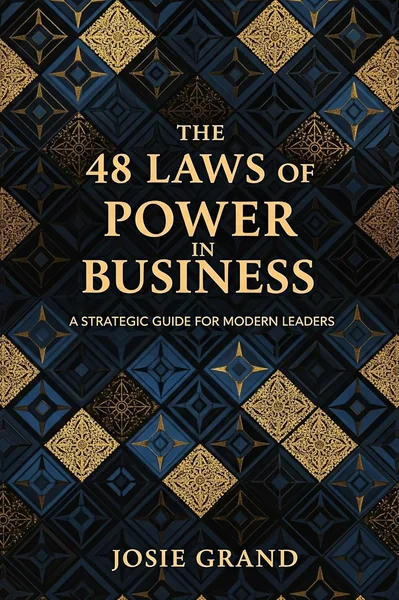
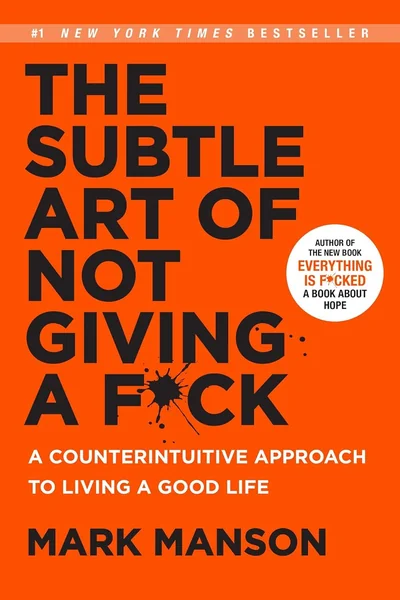
Why It’s Trending
The 48 Laws of Power Has Been on Amazon's Most-Read Kindle Chart for 22 Weeks in 2026
Robert Greene's 2000 classic is one of the most-read Kindle books of 2026 so far, sitting on Amazon's chart for 22 weeks and counting. For a book that's over 25 years old, that kind of staying power is genuinely remarkable.