7 min read
4.8
· 28 Amazon ratingsShare This Review
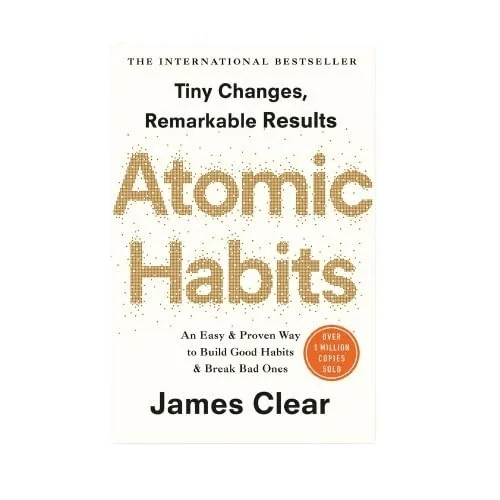
Atomic Habits by James Clear Review: A Phenomenon Built on Tiny Changes
Atomic Habits is a 2018 self-help book in which James Clear argues that lasting behavioral change comes not from willpower or grand ambitions but from redesigning the small systems that govern daily life — a framework that has resonated with tens of millions of readers worldwide.
LuvemBooks Verdict
Best for
Readers who want a single, repeatable framework for building good habits and breaking bad ones — particularly those who have tried willpower-based approaches and found them unsustainable.
Worth it if
You're looking for a practical, plainly written field guide to behavior change that prioritises system design over motivation, and you're willing to engage with its prescriptions as useful heuristics rather than peer-reviewed science.
Skip if
Readers with a social-science background or a low tolerance for pop-psychology frameworks are likely to find Clear's Four Laws model undersubstantiated and his universal prescriptions too neat to trust.
What readers & critics say
According to Wikipedia, Atomic Habits sold nearly 20 million copies by February 2024 and topped the New York Times bestseller list for 260 weeks, with business figures such as Entrepreneur's John Rampton championing it — though Wikipedia also notes Critics Phillips-Horst criticised the book as pseudoscientific for allegedly using unsound methodology. Reader reviewers retrieved from blog sources echo broadly positive responses, with writers at extraordinaryteam.com and forwardfitnessstl.com both describing the book as highly readable and practically motivating.
Sources: Wikipedia – Atomic Habits, extraordinaryteam.com, forwardfitnessstl.comAsk LuvemBooks
Was this helpful?
- Is it worth reading?
- For readers who want a practical, internally consistent framework for behavioral change rather than peer-reviewed academic theory, Atomic Habits delivers in a way few self-help books match. Its Four Laws model is notable precisely because every piece of advice in the book maps back to the same underlying structure, making it easier to apply across diverse habit challenges — from building a workout routine to curbing procrastination. The main caveat, as critic Phillips-Horst has noted, is that the book's confident universal prescriptions rest on reasoning that behavioral scientists may find methodologically weak. Readers approaching it as a field guide rather than a scientific treatise are likely to get the most from it.
- Similar books
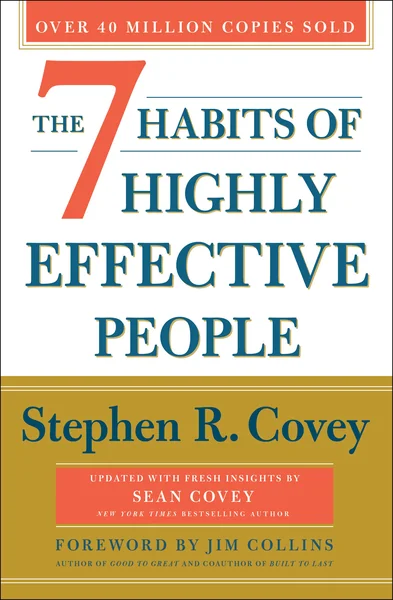
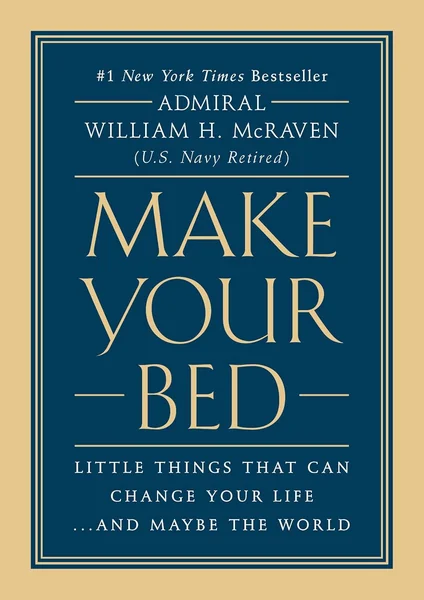
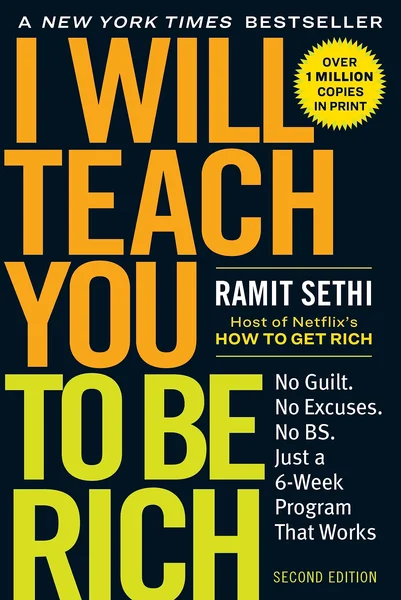
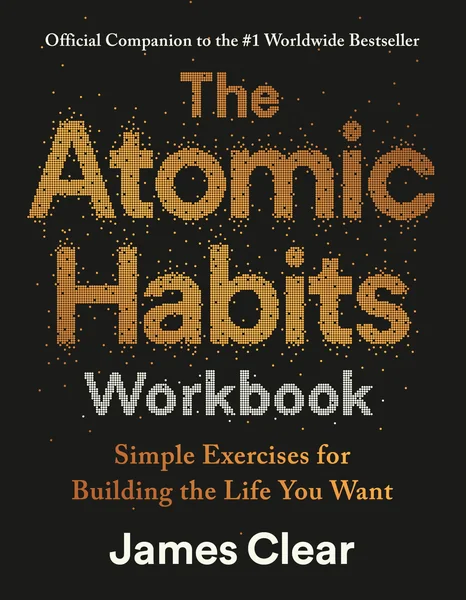
- Readers who connected with Atomic Habits often gravitate toward other books focused on disciplined self-improvement and practical frameworks. The Atomic Habits Workbook by James Clear is the natural companion piece, offering structured exercises that apply Clear's Four Laws directly. Stephen R. Covey's The 7 Habits of Highly Effective People is the genre's foundational text, taking a broader principle-based approach to effectiveness. Admiral William H. McRaven's Make Your Bed similarly champions the compounding power of small, consistent actions. For those whose habit-building goals intersect with personal finance, Ramit Sethi's I Will Teach You to Be Rich applies a similarly system-oriented mindset to money. Ichiro Kishimi and Fumitake Koga's The Courage to Be Disliked offers a contrasting philosophical lens — Adlerian psychology — on why behavioral change is possible when you stop seeking approval.
- Who should read this?
- Atomic Habits is best suited to readers who want a practical, repeatable system for behavioral change and are comfortable with a self-help framework that prioritizes application over academic rigor. It is particularly well matched to professionals, entrepreneurs, and anyone tackling specific habit challenges — whether that's building a fitness routine, reducing procrastination, or breaking an addiction — who want a single consistent model rather than a collection of disconnected tips. Readers with a social-science background who expect peer-reviewed methodology, or those who have already deeply internalized systems-thinking from adjacent titles, may find the book's universal prescriptions familiar or undersubstantiated. Business audiences and productivity-focused readers are especially well served, as reflected in endorsements from figures like Entrepreneur's John Rampton and author Ryan Holiday.
- About James Clear
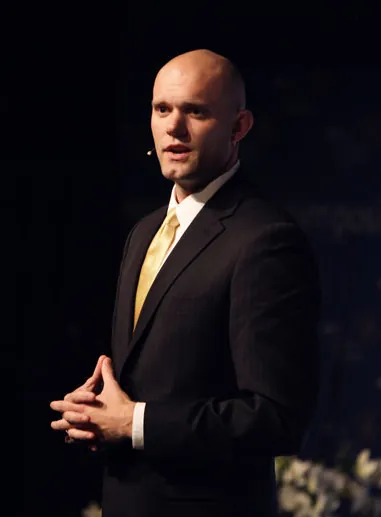
- Born in 1986 and raised in Hamilton, Ohio, James Clear has transformed from a college baseball team captain at Denison University into one of America's most influential voices on personal development.
- How does this compare to The Atomic Habits Workbook?
- Atomic Habits is the foundational text, making the full intellectual and practical case for the Four Laws of Behavior Change across roughly 320 pages of argument, examples, and guidance. The Atomic Habits Workbook functions as a structured companion, translating those principles into direct exercises and prompts designed to help readers apply Clear's system to their own specific habit challenges. The two books are complementary — the workbook adds the most value for readers who have already engaged with the original and want a more hands-on implementation tool.
- What are the most memorable quotes?
- Atomic Habits is widely quoted in productivity and business circles, with one line standing out above all others: 'You do not rise to the level of your goals. You fall to the level of your systems.' This encapsulates Clear's central argument that behavioral change is a design problem, not a motivation problem. Ryan Holiday, bestselling author of The Obstacle Is the Way, has described the book as 'a special book that will change how you approach your day and live your life' — an endorsement that reflects how thoroughly the book's language has entered the mainstream personal-development conversation.
Summarize this book
Follow up
Synthesized from verified book data & published reviews · How we review
Press Enter to ask. Answers come from our editorial Q&A — start typing to see related questions.
Age & Reading Level
Recommended age
Adult
Reading level
Adult
who it suits
Skip if you're looking for peer-reviewed behavioral science rather than a practical self-help framework.
Our Review
What the Book Actually Argues
The Four Laws Framework
Scale of Reception and Cultural Reach
Genuine Strengths
Criticisms and Limitations
Sources & Further Reading
The key facts and claims in this review are grounded in the retrieved, verified sources listed below.
- Cited in this review
- 1
- 2
- Further reading
- 3
James Clear, Wikipedia
- 4
en.wikipedia.org
- 5
rachylewis.com
- 6
empirewriter.com
Books like Atomic Habits
Curated picks for readers who enjoyed Atomic Habits, with our reasoning for each match.
If you liked Atomic Habits