A Visual Feast of Ideas
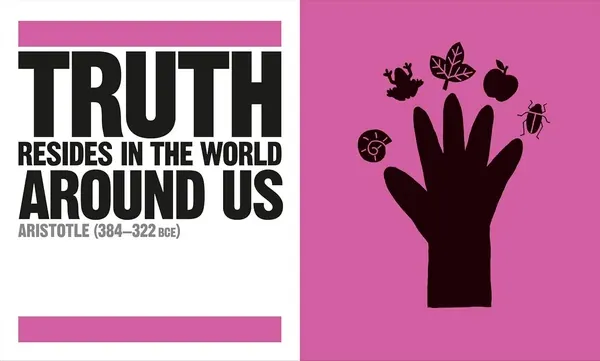
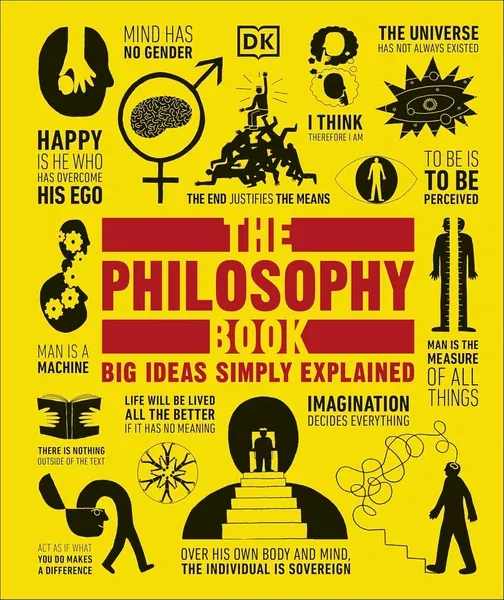
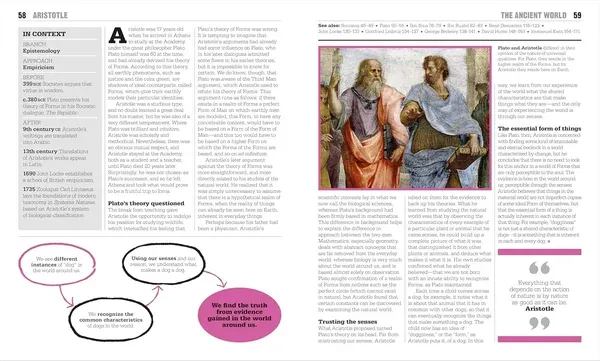
DK's signature style transforms what could be dry theoretical content into an engaging visual experience. The book employs flowcharts, timelines, and illustrated concepts to break down philosophical arguments that have challenged thinkers for millennia. Rather than drowning readers in dense prose, each philosophical concept gets dedicated space with clear explanations, key quotes, and historical context.
The illustrated approach works particularly well for visual learners who might otherwise struggle with traditional philosophical texts. Complex ideas about ethics, metaphysics, and political philosophy receive the same treatment DK applies to their science and history books - making abstract concepts concrete through smart design choices.
Making Ancient Wisdom Accessible
The book covers philosophical traditions from ancient Greece to contemporary thought, presenting thinkers like Plato, Kant, and Nietzsche alongside more recent philosophers. Each section provides biographical context, core ideas, and the historical significance of different philosophical movements.
For beginners, this comprehensive overview serves as an excellent foundation. The book doesn't assume prior knowledge, explaining technical terms and providing enough context to understand how different philosophical schools relate to each other. Unlike reading primary sources directly, DK's interpretations offer clarity without sacrificing accuracy.
Where Breadth Meets Depth Limitations
While the visual approach succeeds in making philosophy accessible, it comes with trade-offs. The main weakness lies in the necessarily simplified treatment of complex ideas. Philosophical arguments that scholars spend decades analyzing receive only a few pages, which can make nuanced positions seem more straightforward than they actually are.
The book works best as a starting point rather than a definitive resource. Readers seeking deep engagement with specific philosophers will need to supplement this overview with primary sources or more specialized texts. The format prioritizes accessibility over philosophical rigor, which serves its intended audience but may frustrate those wanting more substantial analysis.
Perfect for Curious Beginners
The Philosophy Book excels for readers who want to explore philosophical ideas without committing to dense academic works. Students getting their first taste of philosophy, adults returning to intellectual interests, and anyone curious about how great thinkers have approached life's big questions will find value here.
The book's strength lies in its role as a gateway drug to philosophical thinking. By presenting ideas clearly and contextually, it can inspire readers to pursue specific philosophers or topics in greater depth. Parents looking for educational resources that make abstract thinking accessible will appreciate the thoughtful presentation.
However, those already familiar with philosophical literature might find the treatment too elementary. The book serves beginners exceptionally well but won't satisfy readers seeking challenging engagement with philosophical arguments.
The bottom line: The Philosophy Book succeeds at its primary mission of making philosophy approachable. While it sacrifices depth for accessibility, that trade-off serves its target audience perfectly. For anyone intimidated by philosophical thinking or looking for a comprehensive overview of major ideas, DK's visual approach opens doors that traditional texts might keep closed.