
8 min read
4.5
· 1,955 Amazon ratingsShare This Review
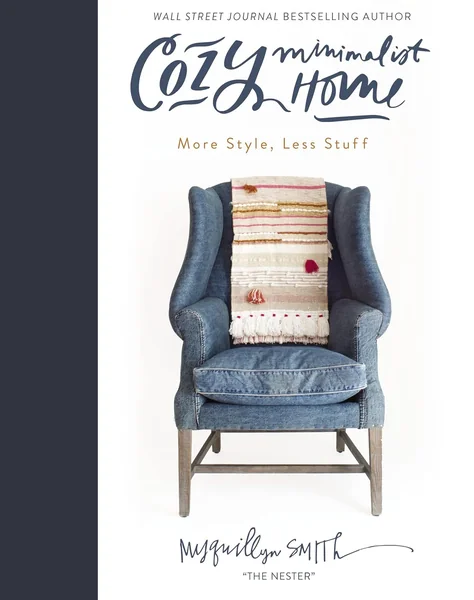
Cozy Minimalist Home by Myquillyn Smith Review: Practical, Spiritually Grounded Decluttering Guide
Myquillyn Smith's Cozy Minimalist Home: More Style, Less Stuff is a home-design guide written for the hands-on woman who wants a beautiful, comfortable space without accumulating more than she needs — a practical, spiritually inflected answer to "clutter anxiety" that works room by room, one purposeful decision at a time.
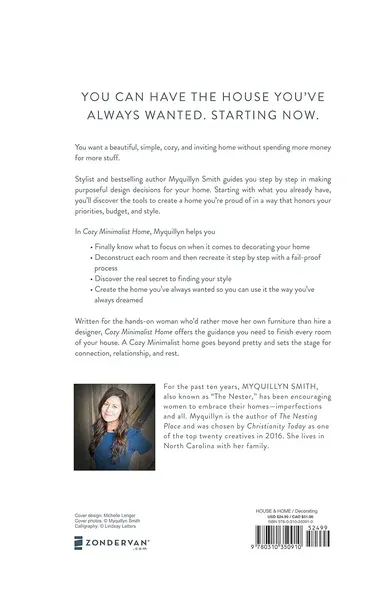
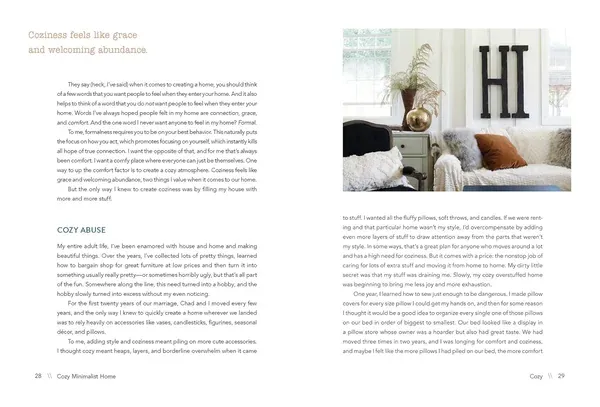
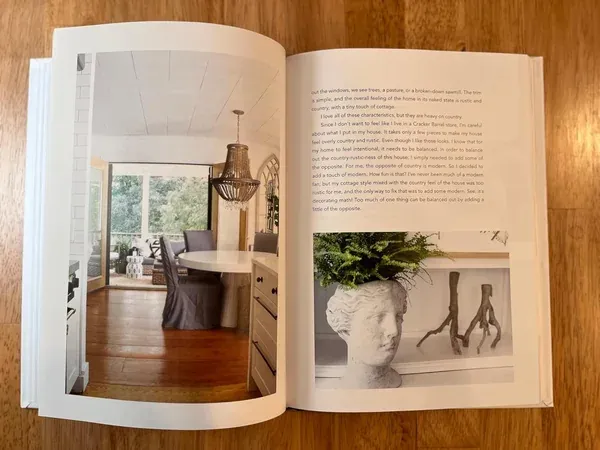 Tap to enlarge
LuvemBooks Verdict
Best for
The hands-on homeowner — particularly women who feel overwhelmed by their spaces or stuck in a cycle of buying without achieving the atmosphere they want — who is looking for a room-by-room, budget-conscious process with a philosophical anchor rather than a purely visual reference.
Worth it if
You want a guided, practical method for making fewer, more purposeful decorating decisions and are comfortable with — or actively welcome — spiritually informed, purpose-driven language woven into the design advice.
Skip if
You are seeking strictly secular home-design content or a visually driven coffee-table book to browse passively, rather than an active, step-by-step problem-solving guide.
What readers & critics say
Publishers Weekly commends Smith's use of humor, clever terminology, and personal anecdotes, noting that readers will find "interesting perspectives on decluttering" in her instructive guide, while also flagging the book's spiritually informed character. The Simplicity Habit cautions prospective readers that the book is not a how-to on becoming a minimalist but rather a guide to designing and decorating in a cozy minimalist way, and reports finding it a great read once expectations are properly set.
“Smith offers practical methods and temporary fixes to ease what she calls 'clutter anxiety,' employing humor, clever terminology, and personal anecdotes.”
— Publishers WeeklyAge & Reading Level
Recommended age
Adult
Reading level
Adult
1 content note · who it suits
Content to know about
Skip if you're looking for a strictly secular home-design guide or a visually driven coffee-table reference.
In This Review
- What Works & What Doesn't
- What the Book Is and What It Argues
- Structure and Approach
- Strengths: Tone, Humor, and Accessibility
- The Spiritual Register: Asset or Limitation
- Who This Book Is For
What Works & What Doesn't
What Works
- Frames decluttering as a purposeful mindset rather than a rigid set of rules, making the method adaptable to a reader's existing rooms and style preferences
- Publishers Weekly commends Smith's use of humor, personal anecdotes, and clever terminology, giving the guide an accessible, conversational tone
- Budget-conscious by design — the approach is positioned to deliver style improvements without significant financial investment
- Structured with chapter-opening questions, creativity prompts, and step-by-step starting points that give readers concrete tools rather than abstract inspiration
- Smith's background as 'The Nester,' with features in major shelter magazines and recognition from Christianity Today, brings well-established credibility to her advice
What Doesn't
- Published by a Christian imprint and explicitly spiritually informed throughout — readers seeking secular home-design content may find the faith-inflected framing a mismatch
- The room-by-room, hands-on format is tailored to active problem-solvers; readers looking for a visually driven coffee-table reference are not its intended audience
What the Book Is and What It Argues

Structure and Approach

Strengths: Tone, Humor, and Accessibility
The Spiritual Register: Asset or Limitation
Who This Book Is For
Frequently Asked Questions
Sources & Further Reading
The key facts and claims in this review are grounded in the retrieved, verified sources listed below.
- Cited in this review
- 1
cozyminimalist.com
- 2
- 3
publishersweekly.com
- Further reading
- 4
thesimplicityhabit.com
- 5
- 6
- 7
Related Reviews
Reviews of books we picked for readers who enjoyed Cozy Minimalist Home.



Reader Comments
No comments yet
Be the first to share your thoughts!