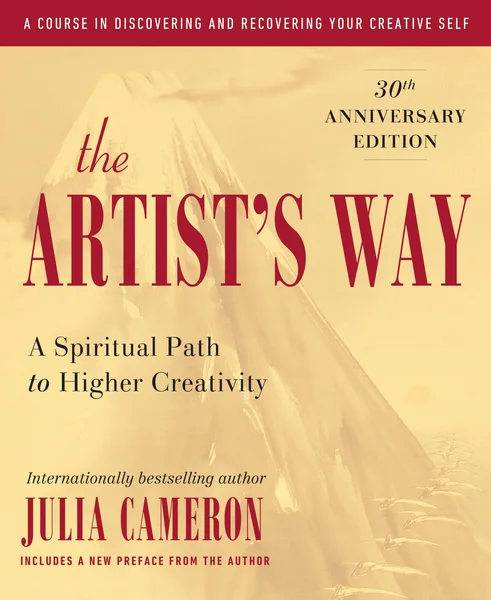
After decades of creative seekers swearing by Julia Cameron's methods, is The Artist's Way worth it in today's fast-paced world? This 30th anniversary edition of Cameron's foundational creativity guide continues to attract artists, writers, and anyone feeling creatively stuck. But beneath the passionate testimonials and workshop culture lies a more complex reality about what this book actually delivers.
Cameron's approach centers on what she calls "creative recovery" – the idea that we're all naturally creative beings who've been wounded by criticism, comparison, and cultural conditioning. Her prescription involves two main tools: daily "Morning Pages" (three pages of stream-of-consciousness writing) and weekly "Artist Dates" (solo creative outings). The book presents this as a 12-week course, complete with exercises and reflection questions designed to unblock your creative flow.
For readers familiar with Big Magic by Elizabeth Gilbert or The War of Art by Steven Pressfield, Cameron's work predates and influences much of the modern creativity genre. Where Gilbert focuses on inspiration and Pressfield tackles resistance, Cameron emphasizes healing and spiritual connection to creativity.
Cameron's Core Method Explained
The Artist's Way built its reputation on two deceptively simple practices. Morning Pages require writing three pages of longhand stream-of-consciousness every morning – no editing, no censoring, just pure brain dump onto paper. Cameron calls these pages a form of meditation, designed to clear mental clutter and access deeper creative insights.
The Artist Date component asks readers to take themselves on weekly solo adventures – museum visits, nature walks, bookstore browsing – anything that feeds the creative well without producing anything. Cameron argues that most blocked creatives are actually depleted creatives who've forgotten how to fill their artistic reservoir.
The 12-week structure walks readers through various creative wounds and recovery strategies. Cameron addresses perfectionism, comparison, criticism, and the practical fears that keep people from pursuing creative dreams. Each week combines reading, exercises, and implementation of the core practices.
What Actually Works (And What Doesn't)
The Morning Pages practice has genuine merit for many practitioners. The act of clearing mental chatter through daily writing can reduce anxiety, clarify thoughts, and occasionally surface creative insights. Several cognitive behavioral therapy approaches use similar expressive writing techniques, giving Cameron's method some scientific backing.
The Artist Date concept also holds value, particularly for people who've become overly focused on productivity. Deliberately seeking inspiration without pressure to create can help restore creative enthusiasm and expose you to new influences.
However, Cameron's approach comes with significant limitations. The book's spiritual language ("Great Creator," "Universe") alienates readers who prefer secular creativity advice. The 12-week timeframe creates unrealistic expectations – many people need months or years to address deep creative blocks, not a single course.
More problematically, Cameron oversells her method as universal. Some creatives thrive on structure and deadlines rather than flow and intuition. Others need practical skills training more than emotional healing. The Artist's Way works best for a specific type of blocked creative: someone with natural talent who's been discouraged or sidetracked, rather than someone lacking fundamental skills or clear creative direction.
The Anniversary Edition Updates
This 30th anniversary edition includes new material from Cameron, though the core content remains unchanged. The additions feel more like victory laps than substantial improvements – success stories from practitioners and reflections on the book's cultural impact.
The original text shows its age in places, with references to cassette tapes and assumptions about traditional career paths that feel dated. Cameron's writing style remains accessible but occasionally veers into New Age territory that may not resonate with contemporary readers seeking practical creativity advice.
Who Should Try This Method
The Artist's Way works best for creatives who recognize themselves in Cameron's description of artistic wounding. If criticism from teachers, parents, or peers shut down your creative expression, her recovery approach may help you reconnect with that lost part of yourself.
The book also suits people who prefer gradual, reflective approaches over intensive skill-building. If you have creative ideas but struggle with self-doubt or feel too busy/overwhelmed to pursue them, Cameron's gentle daily practices might provide the structure you need.
However, skip this book if you're looking for specific creative skills, career advice, or productivity systems. Beginning writers need craft instruction more than creative recovery. Professional artists facing business challenges need different guidance than Cameron provides.
Our Take: Helpful for Some, Overhyped Overall
The Artist's Way deserves credit for normalizing creativity as essential to human well-being and providing practical tools that work for many people. Cameron's emphasis on consistency over intensity offers a sustainable approach to creative development.
But the book's reputation exceeds its actual utility. The method helps a specific subset of blocked creatives while leaving others unchanged or frustrated. The spiritual framework excludes secular readers, and the 12-week promise sets unrealistic expectations for what's often a lifelong process.
At its best, The Artist's Way provides permission to prioritize creativity and simple practices to begin that journey. At its worst, it oversells itself as a universal solution to creative blocks while ignoring the practical skills and mindset shifts many people actually need.
Where to Buy
You can find The Artist's Way: 30th Anniversary Edition at Amazon, your local bookstore, or directly from Penguin Random House.