A Landscape of Family Secrets
Sebourn builds his narrative around the concept that some truths feel too dangerous to voice. The story unfolds through layered perspectives, revealing how different family members carry the same burden of silence in vastly different ways. The author demonstrates remarkable skill in showing how unspoken pain can ripple through generations.
The pacing moves deliberately, allowing readers to absorb the emotional weight of each revelation. Sebourn doesn't rush toward dramatic moments but instead builds tension through the accumulation of small, telling details. This approach works perfectly for readers who appreciate character-driven narratives but may frustrate those seeking faster-paced plots.
Prose That Cuts Close to the Bone
Sebourn's writing style balances lyrical passages with stark, unflinching honesty. He has a gift for capturing the precise moment when someone realizes they've been carrying a secret too heavy for one person to bear. His dialogue feels authentic, with characters speaking in ways that reveal as much through what they don't say as through their actual words.
The author's ability to convey complex emotions through simple, direct language stands out as one of the book's greatest strengths. Rather than overwhelming readers with flowery descriptions, Sebourn trusts his story's emotional core to carry the narrative forward. This restraint makes the powerful moments even more impactful.
Complex Characters Wrestling with Truth
The characters in this novel feel genuinely human in their contradictions and struggles. Each person handles the central family secret differently—some through denial, others through anger, and still others through attempts at protective silence. Sebourn avoids the trap of making any character purely sympathetic or entirely unsympathetic.
The family dynamics ring true to life, with each member bringing their own perspective to shared experiences. The author shows particular skill in depicting how the same event can be remembered and interpreted in completely different ways by different family members. These varying viewpoints create rich layers of meaning throughout the story.
Themes of Communication and Isolation
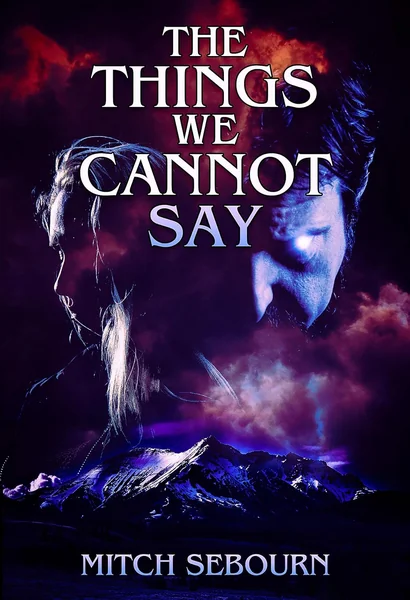
The novel explores how silence can become its own form of communication—often the wrong kind. Sebourn examines the ways people convince themselves that keeping secrets protects others, when in reality it often isolates everyone involved. The mountain setting serves as both literal and metaphorical backdrop for these themes of isolation and the difficulty of connection.
The author also delves into the generational patterns of communication, showing how learned behaviors around truth-telling and secret-keeping pass from parents to children. These themes feel particularly relevant in an era when many families are grappling with long-buried truths and changing social expectations around openness.
Where the Story Struggles
While Sebourn's restraint generally serves the story well, some sections feel underdeveloped. The middle portion drags slightly as the author perhaps relies too heavily on internal contemplation without enough external action to maintain momentum. A few supporting characters could have been fleshed out more fully to strengthen the story's emotional foundation.
The ending, while emotionally satisfying, arrives somewhat predictably. Readers familiar with family drama novels may see the resolution coming well before the characters do. This predictability doesn't ruin the experience but does diminish some of the story's potential impact.
Our Verdict on Emotional Truth-Telling
The Things We Cannot Say succeeds as a thoughtful exploration of family dynamics and the cost of silence. Sebourn demonstrates genuine insight into human psychology and creates characters worth caring about, even when their choices frustrate readers.
This novel works best for readers who enjoy introspective fiction and don't mind slower pacing in service of character development. If you appreciated the family dynamics in Everything I Never Told You or the emotional depth of The Light We Lost, this book will likely resonate with you. However, readers seeking action-driven plots or lighter emotional fare should look elsewhere.
The bottom line: Despite some pacing issues, this is a compelling debut that announces Sebourn as a voice worth following in contemporary fiction.