Seven Principles That Shape Reality
The book's core consists of seven hermetic principles that purportedly explain how the universe operates. These include the Principle of Mentalism ("The All is Mind"), the Principle of Correspondence ("As above, so below"), and the Principle of Vibration (everything is in constant motion). Each principle receives detailed exposition through examples and analogies drawn from natural phenomena and human psychology.
The authors present these concepts as fundamental laws rather than philosophical suggestions. The Principle of Polarity, for instance, argues that opposites are merely different degrees of the same thing - hot and cold being variations of temperature rather than separate phenomena. While intellectually intriguing, the book offers little empirical support for these metaphysical claims.
The writing style deliberately evokes ancient mystery schools, employing capitalized abstractions and formal declarative statements. This approach either enhances the mystical atmosphere or creates unnecessary barriers to comprehension, depending on reader preferences.
Dense Prose That Demands Dedication
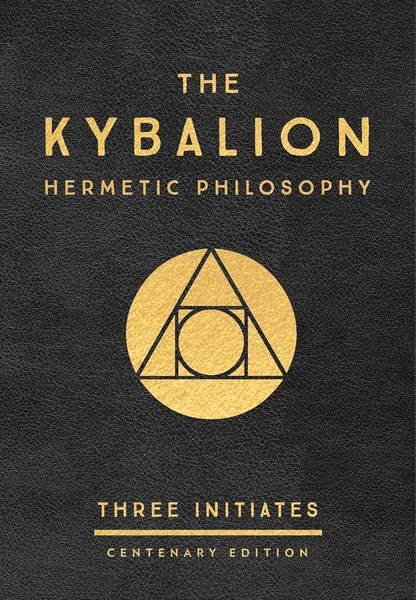
The Three Initiates write in a style that mimics classical philosophical treatises, complete with numbered axioms and formal logical progressions. Sentences frequently extend beyond comfortable reading length, packed with subordinate clauses and technical terminology. The centenary edition includes some formatting improvements, but the fundamental challenge of the prose remains.
Modern readers accustomed to conversational spiritual writing may find the formal academic tone off-putting. The book assumes familiarity with hermetic vocabulary and rarely pauses to define specialized terms. This creates an initiatory effect - readers must demonstrate commitment by working through linguistic barriers to access the content.
The authors maintain strict anonymity throughout, referring to themselves only as "Three Initiates" and claiming to transmit ancient teachings rather than original insights. This approach reinforces the mystical presentation while raising questions about accountability and scholarly rigor.
Practical Applications and Limitations
The Kybalion's main weakness lies in the gap between grand theoretical claims and practical application. While the seven principles sound profound, the book provides limited guidance for implementing these concepts in daily life. The Principle of Cause and Effect, for example, receives extensive metaphysical explanation but minimal instruction for conscious application.
Some principles offer more concrete value. The Principle of Rhythm suggests that all phenomena follow cyclical patterns, which readers might apply to understanding mood cycles or business trends. The Principle of Gender (referring to masculine and feminine qualities in all things) provides a framework for analyzing creative processes and psychological development.
However, the book's scientific limitations become apparent when examined alongside modern physics and psychology. Claims about vibration and mental influence lack empirical foundation, making the text more useful as philosophical inspiration than practical instruction.
Where Ancient Meets New Age
The Kybalion occupies an interesting position between ancient wisdom traditions and modern New Age thought. Its hermetic principles influenced numerous 20th-century spiritual movements, from Theosophy to contemporary manifestation teachings. The book's emphasis on mind as the fundamental reality resonates with quantum mysticism and consciousness-based spirituality.
Yet critics note the text's lack of genuine historical connection to ancient Egyptian hermeticism. The philosophical content reflects early 1900s American metaphysical movements more than authentic mystery school teachings. This doesn't necessarily diminish its value, but readers should approach it as modern mystical philosophy rather than ancient wisdom.
The centenary edition acknowledges this context more honestly than earlier presentations, though it maintains the original's mystical framing. For readers seeking historical accuracy, academic studies of genuine hermetic texts provide better scholarly foundation.
Not Recommended for Beginners
The Kybalion demands significant philosophical background and comfort with abstract thinking. Complete beginners to esoteric philosophy might find more accessible entry points through contemporary authors who translate similar concepts into modern language. The book rewards dedicated study but punishes casual reading.
Perfect for serious students of hermetic philosophy, metaphysics, or the history of American spiritual movements, The Kybalion offers intellectual challenge and historical significance. Readers who enjoy parsing dense philosophical arguments and don't require immediate practical application will find substantial material for contemplation.
The centenary edition's improved formatting and supplementary materials make this the preferred version for those committed to engaging with this challenging but influential text.