When Aaron T. Beck co-authors an anxiety workbook, it carries significant weight in the mental health community. As the founder of cognitive behavioral therapy, Beck's involvement in The Anxiety and Worry Workbook: The Cognitive Behavioral Solution signals a serious, research-backed approach to managing anxiety and worry. Partnering with David A. Clark, a respected CBT researcher, this workbook promises to deliver Beck's decades of clinical insight in a practical, self-directed format that readers can work through independently.
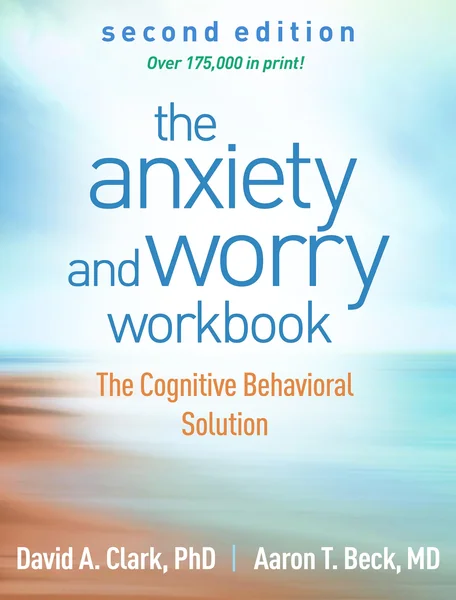
The book's clean, professional cover design with its calming blue gradient reflects the methodical, clinical approach within. Unlike flashier self-help titles that promise quick fixes, this workbook's visual presentation suggests substance over style—a therapeutic tool rather than motivational reading.
Beck and Clark's Clinical Foundation
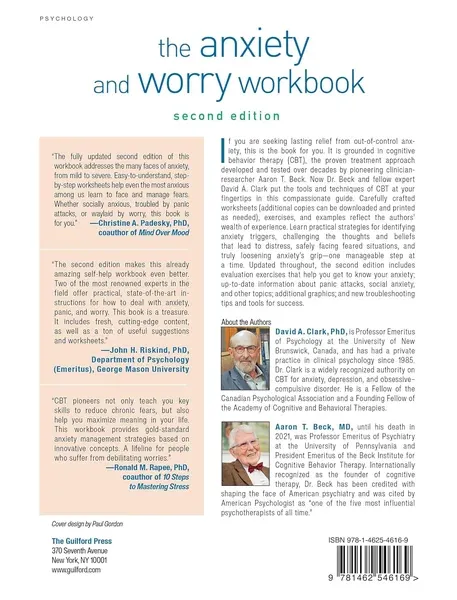
The collaborative authorship brings together two generations of CBT expertise. Beck's revolutionary work in developing cognitive behavioral therapy provides the theoretical foundation, while Clark contributes contemporary research and clinical applications. This partnership creates a workbook grounded in proven therapeutic methods rather than popular psychology trends.
The authors' clinical backgrounds show throughout the structured approach. Rather than offering generic advice about positive thinking, they present the systematic methodology used in actual CBT sessions. This clinical foundation distinguishes the workbook from self-help books that borrow CBT concepts without understanding their proper application.
The CBT Framework Applied
The workbook translates clinical CBT techniques into a structured self-help format. Beck and Clark organize anxiety management around the cognitive model—identifying thought patterns, examining evidence for worried thoughts, and developing balanced thinking. The approach mirrors what readers would encounter in professional therapy sessions.
Each section builds systematically on previous concepts. The authors don't jump between techniques randomly but follow the logical progression therapists use with clients. This methodical structure helps readers understand not just what to do, but why specific techniques work for anxiety reduction.
The practical exercises reflect actual therapeutic homework assignments rather than superficial journaling prompts. Readers encounter thought records, behavioral experiments, and exposure planning—tools that practicing therapists use daily with anxious clients.
Practical Implementation and Usability
The workbook format requires active engagement rather than passive reading. Clark and Beck provide worksheets, assessment tools, and step-by-step exercises that demand regular practice. This hands-on approach aligns with CBT's emphasis on behavioral change through consistent application.
However, the clinical precision that gives this workbook credibility also creates accessibility challenges. Readers without therapy experience may find the systematic approach demanding compared to more conversational self-help books. The exercises require honest self-examination and sustained effort—not everyone seeking anxiety relief wants this level of therapeutic work.
The authors acknowledge these limitations by suggesting when professional help might be necessary. They present the workbook as a supplement to, rather than replacement for, professional treatment when anxiety significantly impairs daily functioning.
Comparing CBT Approaches
Among anxiety-focused CBT workbooks, this title stands out for its theoretical rigor. Where Mind Over Mood offers broader depression and anxiety coverage, Beck and Clark focus specifically on worry and anxiety patterns. Compared to The Anxiety and Phobia Workbook, this book emphasizes cognitive restructuring over relaxation techniques.
Feeling Good by David Burns popularized CBT concepts for general audiences, but Beck and Clark's workbook provides more structured therapeutic progression. Readers familiar with Burns's accessible style may find this approach more demanding but potentially more thorough for persistent anxiety issues.
Clinical Strengths and Practical Limitations
The workbook's greatest strength lies in its therapeutic authenticity. Beck and Clark don't dilute CBT principles for mass appeal—they present genuine therapeutic techniques with clinical precision. This approach benefits readers ready for serious anxiety management work.
The systematic progression helps readers understand the logic behind CBT interventions. Rather than collecting random coping strategies, they develop a comprehensive framework for managing anxious thoughts and behaviors.
However, this clinical approach has limitations. The workbook assumes readers can maintain motivation through extended exercises without therapist support. Some may find the pace slow or the exercises repetitive compared to more dynamic self-help approaches.
The authors' academic writing style, while precise, lacks the warmth and encouragement many anxiety sufferers need. The clinical tone may feel distant for readers seeking emotional support alongside practical techniques.
Who Benefits Most from This Approach
This workbook works best for readers who appreciate structured, systematic approaches to personal change. Those with some therapy experience or familiarity with CBT concepts will find the progression logical and comprehensive.
People with moderate anxiety levels who function well in daily life but want better worry management tools represent the ideal audience. The workbook assumes readers can complete exercises independently and maintain consistent practice schedules.
However, individuals with severe anxiety, those preferring intuitive rather than analytical approaches, or readers seeking immediate relief strategies might find other resources more suitable. The workbook's therapeutic depth requires patience and sustained commitment that not every anxious person can maintain.
Where to Buy
You can find The Anxiety and Worry Workbook at Amazon, Barnes & Noble, or directly from Guilford Press for the most current edition.