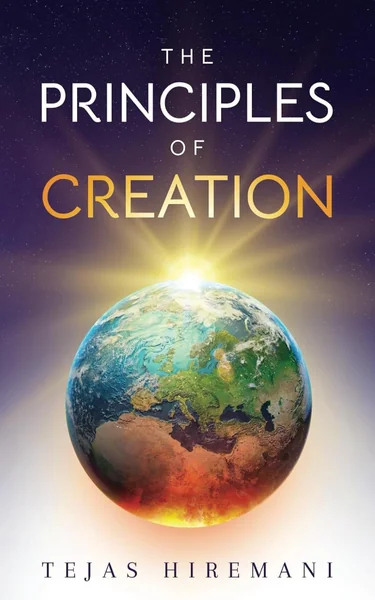
Bridging Ancient Wisdom and Modern Reality
Hiremani's writing style blends devotional language with contemporary self-help frameworks. The author attempts to make biblical concepts accessible to readers who may not have extensive religious backgrounds while maintaining respect for the source material. The approach works best when Hiremani focuses on universal themes like purpose, relationships, and moral decision-making.
The book's structure moves chronologically through creation narratives, extracting what the author sees as fundamental principles for living. Each chapter typically begins with a biblical passage or concept, followed by modern applications and practical exercises. For readers seeking spiritual growth, this format provides both contemplative material and actionable guidance.
However, the writing occasionally suffers from overly broad generalizations about both ancient texts and modern life. Some connections between Genesis and contemporary challenges feel forced rather than organic, particularly when discussing technology and space exploration themes that dominate the book's subtitle.
Core Spiritual Frameworks and Applications
The book's central thesis revolves around identifying what Hiremani calls "creation principles" - fundamental spiritual laws that govern human experience regardless of historical period. These include concepts like divine purpose, stewardship, relationship dynamics, and moral choice. The practical exercises scattered throughout each section attempt to help readers apply these principles to personal situations.
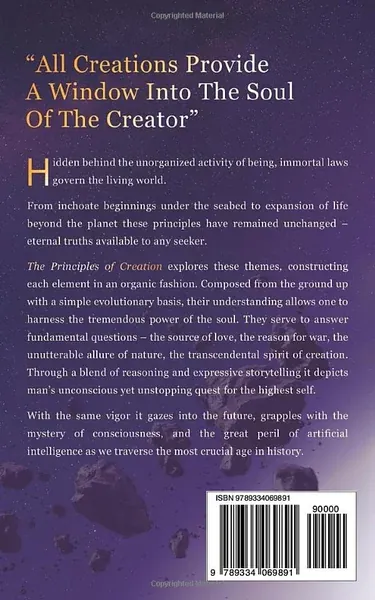
Hiremani devotes significant attention to the relationship between spiritual growth and technological advancement. The author argues that as humanity develops more sophisticated tools and reaches toward space exploration, we need stronger spiritual foundations to guide these capabilities responsibly. This theme feels particularly relevant given current discussions about artificial intelligence, genetic engineering, and space colonization.
The research-backed elements of the book draw from psychology, sociology, and leadership studies to support biblical principles. This interdisciplinary approach strengthens some arguments, though the author sometimes cherry-picks studies that support predetermined conclusions rather than engaging with conflicting evidence.
The book includes case studies of historical figures who the author believes exemplified these creation principles, from ancient leaders to modern innovators. These examples provide concrete illustrations of abstract concepts, though they occasionally veer toward oversimplification of complex historical personalities.
Where Ancient Meets Contemporary Challenges
The main strength of Hiremani's approach lies in addressing genuinely contemporary dilemmas through ancient wisdom. The author tackles questions about purpose in an increasingly automated world, maintaining moral clarity amid rapid social change, and finding spiritual meaning in scientific advancement. These are legitimate concerns for many readers seeking spiritual guidance in the twenty-first century.
The book's discussion of stewardship principles feels particularly relevant given environmental concerns and debates about technological responsibility. Hiremani argues that Genesis provides frameworks for responsible innovation and resource management that remain applicable whether we're discussing agriculture or space colonization.
However, the book's main weakness appears in its treatment of complex theological and scientific topics with insufficient nuance. The author sometimes presents simplified interpretations of both biblical texts and scientific concepts, which may frustrate readers with expertise in either area. The connections between ancient narratives and space-age technology occasionally feel more poetic than substantive.
The practical applications vary in quality and specificity. Some exercises provide genuinely helpful frameworks for reflection and decision-making, while others offer generic advice that could apply to any self-help approach. For beginners in spiritual development, the accessible language and structured format may prove valuable despite these limitations.
Audience and Accessibility Considerations
This book works best for readers who appreciate interdisciplinary approaches to spirituality and aren't troubled by broad interpretive leaps. The writing assumes familiarity with basic biblical narratives but doesn't require theological training. The language remains accessible to general audiences, though some sections become repetitive in their emphasis on core themes.
The book may disappoint readers seeking either rigorous biblical scholarship or cutting-edge scientific analysis. Hiremani's approach favors inspirational synthesis over academic precision. Similarly, readers looking for detailed practical guidance might find the exercises too general, while those preferring pure theological reflection may find the contemporary applications distracting.
The bottom line is that The Principles of Creation offers an earnest attempt to bridge ancient wisdom and modern challenges, with mixed results. The book succeeds in raising important questions about spiritual foundations for technological advancement and provides accessible frameworks for personal reflection. However, the execution sometimes lacks the depth and precision that such ambitious themes deserve.