A Dickensian Soul in Appalachian Mountains
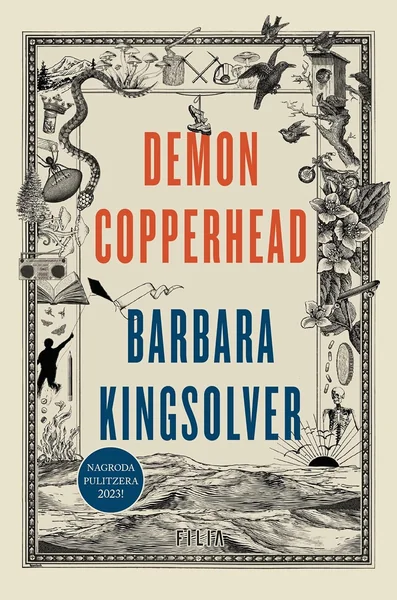
Kingsolver's bold reimagining takes the bones of Dickens's beloved orphan tale and clothes them in the harsh realities of 21st-century rural poverty. Demon Copperhead, our narrator, guides readers through a childhood marked by foster care, drug addiction, and the systematic abandonment of America's forgotten communities. The novel's structure mirrors its Victorian predecessor while addressing distinctly modern crises: the opioid epidemic, economic decline, and the particular vulnerabilities of children caught in systems designed more for profit than protection.
The Appalachian setting becomes more than backdrop—it's a character itself, with its own rhythms, dialects, and deeply embedded social hierarchies. Kingsolver, who has lived in the region, writes with an insider's understanding of mountain culture, avoiding the condescension that often mars outsider portrayals of rural America. The landscape pulses with both beauty and menace, offering moments of transcendence alongside stark reminders of environmental and economic devastation.
Kingsolver's Voice: Raw and Uncompromising
Kingsolver abandons the lyrical prose style of her earlier works like The Poisonwood Bible for something grittier and more immediate. Demon's first-person narration crackles with teenage authenticity—profane, angry, occasionally tender, but never self-pitying. The author captures the specific cadences of Appalachian speech without resorting to caricature, creating a narrative voice that feels lived-in and genuine.
The pacing accelerates as Demon ages, mirroring the way childhood trauma can compress and distort time. Early sections move with deliberate slowness, allowing readers to absorb the full weight of systemic neglect, while later chapters hurtle forward with the momentum of addiction and desperation. This structural choice reinforces the novel's themes about how poverty and trauma rob children of normal developmental stages.
Beyond our protagonist, Kingsolver populates her novel with characters who resist easy categorization. Foster families range from genuinely caring to catastrophically exploitative, often within the same household. Teachers, social workers, and community members navigate their own limitations and moral compromises while trying to help children like Demon survive systems that seem designed to fail them.
The supporting characters avoid the saintly-villain dichotomy that weakens many social justice novels. Instead, Kingsolver presents flawed humans making imperfect choices within impossible circumstances. A football coach might offer genuine mentorship while remaining willfully blind to prescription drug abuse among his players. A foster mother might provide real love while enabling addiction through misguided loyalty.
The Opioid Crisis as Character and Plot Driver
Unlike most literary fiction that treats addiction as individual failing, Demon Copperhead presents the opioid crisis as a structural force reshaping entire communities. Kingsolver traces the pharmaceutical industry's calculated targeting of rural America, showing how legitimate medical treatment became a pipeline to dependency and death. The novel's treatment of addiction avoids both romanticization and simple condemnation, instead examining how corporate greed exploited existing vulnerabilities in struggling communities.
The sports injury subplot particularly illuminates how prescription painkillers entered teenage culture through apparently legitimate channels. Kingsolver shows how young athletes, already prized for their physical utility rather than their humanity, became unwitting test subjects for pharmaceutical experimentation. This connection between exploitation and addiction gives the novel's social critique particular force and specificity.
Where Literature Meets Advocacy
Demon Copperhead succeeds where many message-driven novels fail because Kingsolver never sacrifices character development for political points. The novel's critique of American inequality emerges organically from Demon's experiences rather than through authorial lecturing. When the book does turn explicitly political—particularly in its treatment of corporate responsibility for the opioid crisis—the anger feels earned rather than imposed.
However, the novel occasionally struggles under the weight of its own ambition. Some late-stage plot developments feel slightly forced, as if Kingsolver were checking boxes in her social justice agenda rather than following her characters' natural arcs. The book's 560-page length includes stretches where the pacing drags, particularly during middle sections focused on foster care bureaucracy.
A Modern Classic with Important Caveats
Is Demon Copperhead worth reading? Absolutely, though mature readers should prepare for an emotionally demanding experience. The novel succeeds brilliantly as both literary achievement and social document, offering insights into American inequality that feel both specific to Appalachia and broadly applicable. Kingsolver has created a work that honors Dickens's humanitarian spirit while addressing uniquely contemporary crises.
For educators considering the novel for high school curricula, content warnings are essential. The book contains frank depictions of drug use, physical and sexual abuse, and suicide. However, these elements serve the story rather than sensationalizing trauma, making this potentially valuable for mature students studying American social issues. The novel's ultimate message—that resilience and community connection can survive even systematic abandonment—offers hope without minimizing real suffering.