A Tale of Hatred and Healing
The story centers on Daniel bar Jamin, a young man driven by an all-consuming desire for revenge against Roman soldiers. Living as an outlaw in the mountains, Daniel initially embodies everything opposite to Jesus's message of love and forgiveness. Elizabeth George Speare crafts a narrative that doesn't shy away from the brutal realities of Roman occupation while exploring how hatred can poison the human spirit.
The Bronze Bow takes its title from biblical imagery, representing strength that can only come from divine power rather than human might. This central metaphor runs throughout Elizabeth George Speare's novel, as Daniel must learn that true strength comes not from violence but from love and forgiveness. The religious themes are woven naturally into the historical setting rather than feeling preachy or heavy-handed.
Speare's prose strikes a balance between accessibility and sophistication. The language remains clear enough for middle-grade readers while tackling complex emotional and spiritual concepts. The pacing builds steadily as personal transformation mirrors the larger historical events unfolding around Jesus's ministry.
The People in This Ancient World
Daniel bar Jamin's character arc forms the emotional heart of the story. Beginning as a hardened young man consumed by hatred, he slowly learns to open his heart to love and forgiveness. His internal struggle feels authentic rather than overly simplified, making his eventual transformation meaningful.
Supporting characters include family members, fellow rebels, and various figures from Jesus's circle. The relationships between characters drive the narrative forward, particularly the bonds of family loyalty that complicate Daniel's quest for revenge. Elizabeth George Speare develops these relationships with care, showing how love can both heal and challenge us.
The novel includes appearances by Jesus himself, though Speare handles these encounters with restraint and reverence. Rather than making Jesus the central character, she shows his influence through the transformation he inspires in others. This approach allows readers of various faith backgrounds to engage with the story.
Themes Parents Should Understand
The Bronze Bow doesn't sugarcoat the realities of hatred and violence. Daniel's initial worldview is genuinely dark, filled with plans for violent revenge against Roman soldiers. While the novel ultimately advocates for love over hatred, it takes this journey seriously rather than offering easy answers.
The religious themes center on Christian concepts of forgiveness, love for enemies, and spiritual transformation. Parents should know this is explicitly Christian fiction, though it's presented through historical narrative rather than modern evangelism. The story assumes familiarity with basic biblical concepts and Jesus's teachings.
Themes of family loyalty, loss, and healing run throughout the narrative. Daniel must grapple with how his quest for revenge affects those he loves, particularly family members who suffer because of his choices. These emotional stakes make the story compelling while adding complexity to the moral questions.
Where It Succeeds and Struggles
Elizabeth George Speare's greatest strength lies in her ability to make ancient history feel immediate and relevant. The historical setting comes alive through carefully researched details about daily life, political tensions, and religious practices in first-century Palestine. The novel serves as both engaging fiction and historical education.
The character development feels authentic and earned rather than rushed. Daniel's transformation doesn't happen overnight but unfolds gradually through genuine experiences and relationships. This realistic pacing makes the eventual change of heart more believable and impactful.
The main limitation is the novel's assumption of Christian faith and biblical knowledge. Readers unfamiliar with Jesus's teachings or biblical concepts may find some references unclear. Additionally, the religious themes, while tastefully handled, make this primarily suitable for families comfortable with Christian content.
The ending, while satisfying, may feel somewhat predictable to adult readers familiar with redemption narratives. However, young readers encountering these themes for the first time will likely find the resolution both surprising and moving.
Worth the Emotional Investment?
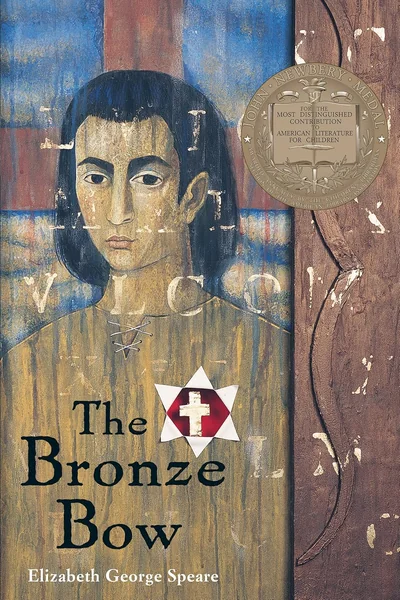
The Bronze Bow earns its Newbery Medal through powerful storytelling and meaningful themes. For families seeking quality historical fiction with strong moral messages, this novel delivers both entertainment and substance. The writing quality and character development justify the book's classic status in children's literature.
The age recommendation of 10-12 is generally accurate, though mature 9-year-olds and younger teens will also find value in the story. Parents should be prepared to discuss themes of hatred, forgiveness, and religious faith, as the novel raises questions that benefit from adult guidance.
This book is ideal for parents and teachers looking for literature that combines historical education with moral and spiritual themes. It works particularly well for family reading or classroom discussions about ancient history, religious studies, or character development. However, families preferring secular literature may want to explore other historical fiction options.
You can find The Bronze Bow at Amazon, your local bookstore, or from various publishers offering this classic title.