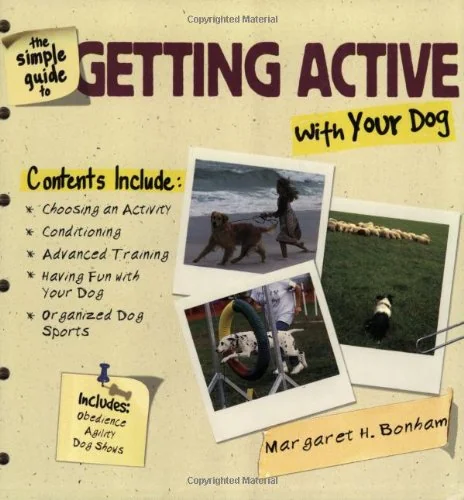
From Couch Potato to Canine Athlete
Bonham structures her approach around gradual fitness building, recognizing that many dogs (and their owners) lead sedentary lifestyles. The book opens by addressing common excuses pet owners make for avoiding exercise with their dogs - lack of time, bad weather, or uncertainty about appropriate activities for their dog's breed and age.
The author emphasizes starting slowly and building endurance over time, which makes sense for both overweight dogs and out-of-shape owners. Her progression from short neighborhood walks to longer adventures feels realistic rather than overwhelming. For busy pet parents, this staged approach removes the intimidation factor that often prevents people from beginning an exercise routine with their dogs.
The practical exercises begin with basic leash walking techniques and gradually introduce more challenging activities. Bonham addresses different dog sizes and energy levels, acknowledging that a Chihuahua's exercise needs differ drastically from those of a Border Collie.
Bonham's Straightforward Writing Style
Margaret H. Bonham writes with the practical tone of someone who understands that most dog owners want simple, actionable advice rather than lengthy theoretical discussions. Her instructions are clear and concise, avoiding the overly technical language that can bog down some pet care guides.
The book's strength lies in its accessibility. Bonham doesn't assume readers have extensive knowledge of dog behavior or physiology. She explains concepts like proper warm-up routines and signs of overexertion in plain language that any pet owner can understand and apply immediately.
However, the writing occasionally feels dated, reflecting early 2000s attitudes toward pet care that may not align with current veterinary recommendations. Some exercise suggestions lack the safety warnings that modern pet care books typically include.
Practical Activities and Equipment
The book shines when covering specific activities and the equipment needed for each. Bonham provides detailed guidance on hiking with dogs, including what to pack, how to choose appropriate trails, and safety considerations for different weather conditions. The practical exercises range from simple backyard games to more ambitious outdoor adventures.
Swimming receives particular attention as an excellent low-impact exercise for older dogs or those with joint problems. Bonham explains how to introduce water-shy dogs to swimming and what safety precautions to take near lakes, rivers, or pools.
The equipment recommendations prove useful, though some suggested products may be difficult to find given the book's age. She covers basics like proper leashes and harnesses while also discussing specialized gear for activities like camping or long-distance hiking with dogs.
Where the Guide Falls Short
The main weakness of Bonham's approach is its generic nature. While she mentions breed differences, the book doesn't provide enough specific guidance for dogs with particular needs. Owners of breeds with breathing problems, like pugs or bulldogs, won't find detailed modifications for their pets' limitations.
The book also lacks discussion of dogs with behavioral issues that might complicate exercise routines. Reactive dogs, fearful rescues, or dogs with leash aggression receive minimal attention, though these issues commonly affect a dog's ability to exercise safely in public spaces.
Additionally, the nutritional advice feels outdated compared to current understanding of canine nutrition and its relationship to exercise performance. Modern dog owners would benefit from more current information about feeding active dogs.
Perfect for beginners but Limited for Advanced Owners
Is this guide worth reading in 2026? For first-time dog owners or those just beginning to think seriously about their pet's fitness needs, Bonham's book provides a solid foundation. The straightforward advice and gradual progression make it an excellent starting point for developing an exercise routine.
However, experienced dog owners or those with specific training goals may find the content too basic. The book works best for people with healthy, well-behaved dogs who simply need motivation and structure to increase activity levels.
The bottom line: This remains a useful introductory guide for pet owners who want to move beyond basic walks but don't need advanced training techniques or sport-specific preparation.