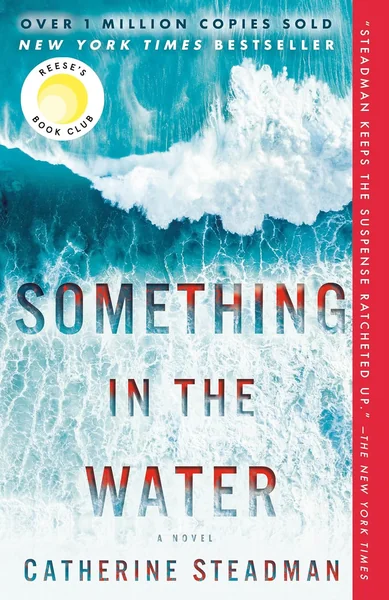
When Paradise Becomes Purgatory
The story follows a couple celebrating their honeymoon in a tropical paradise when they stumble upon something that forces them to make an impossible choice. Steadman expertly builds tension through the contrast between the idyllic setting and the moral complexity her characters face. The sun-soaked beaches and crystal-clear waters become a backdrop for increasingly dark decisions.
What sets this thriller apart from others in the psychological suspense genre is how Steadman explores the ripple effects of a single moment. The discovery doesn't just threaten the couple's safety—it fundamentally challenges who they are as people. The author raises uncomfortable questions about what ordinary people might do when faced with extraordinary circumstances.
Steadman's Cinematic Approach
Catherine Steadman's background in television serves her well in crafting scenes that feel vivid and immediate. Her prose moves at a brisk pace without sacrificing depth, and she has a particular talent for building atmospheric tension. The tropical setting becomes almost a character itself, beautiful yet somehow menacing.
The author's experience as an actress also shows in her character development. She understands how people reveal themselves through action and dialogue rather than exposition. The conversations between the couple feel authentic, capturing both the intimacy of newlyweds and the strain of shared secrets.
However, Steadman occasionally relies too heavily on coincidence to drive the plot forward. Some readers may find certain developments feel manufactured rather than organic, though the compelling central premise helps carry these weaker moments.
The Moral Maze
The novel's greatest strength lies in its exploration of moral ambiguity. Steadman doesn't offer easy answers or clear villains. Instead, she presents characters who make understandable choices that lead to increasingly complex situations. The couple's initial decision sets off a chain reaction that forces them to confront uncomfortable truths about themselves and their relationship.
This psychological complexity elevates the book above standard beach read thrillers. While it delivers the page-turning suspense readers expect, it also offers substantive themes about marriage, money, and the lengths people will go to protect their futures. The moral questions linger long after the final page.
Where It Stumbles
Despite its strengths, Something in the Water isn't without flaws. The pacing becomes uneven in the middle sections, and some plot developments strain credibility. Steadman sometimes tells readers what characters are feeling rather than showing it, which can feel heavy-handed compared to her more subtle moments.
The ending, while satisfying on one level, may leave some readers wanting more resolution. The main weakness is that certain character motivations feel underdeveloped, particularly in the final act where the stakes are highest.
A Worthy Reese's Pick
Understanding why Reese Witherspoon selected this novel for her book club becomes clear quickly. It features complex female characters making difficult choices, and it's perfect for readers who enjoy psychological thrillers with moral depth. The book club discussion questions practically write themselves.
For thriller enthusiasts, Something in the Water offers enough twists and tension to satisfy, while readers who prefer character-driven narratives will appreciate the psychological complexity. It's particularly recommended for fans of domestic suspense who enjoy stories that blur the lines between right and wrong.
The bottom line: Catherine Steadman has crafted a solid debut that announces her as a talent to watch in the psychological thriller space. While it may not revolutionize the genre, it executes its premise with skill and offers enough surprises to keep even seasoned thriller readers engaged.