A Scientific Approach to Reptile Care
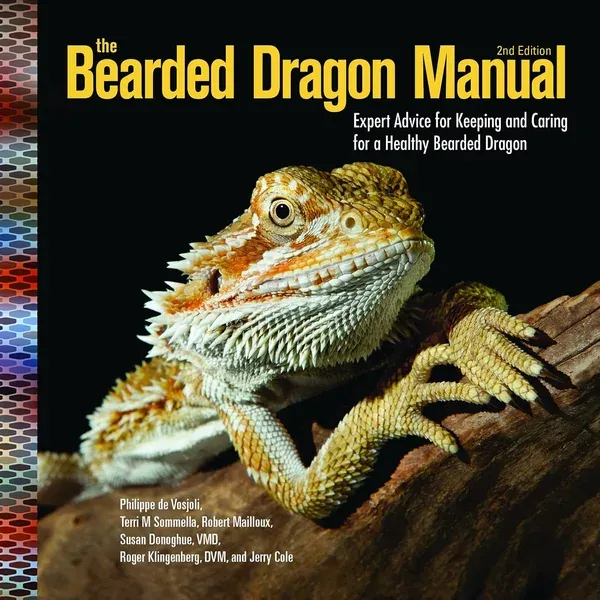
The manual distinguishes itself through its research-backed methodology rather than relying on outdated pet store advice. Each author brings specific expertise: veterinary medicine, nutrition, breeding, and hands-on husbandry experience. This multi-disciplinary approach ensures coverage of every aspect from habitat design to medical care.
The writing maintains accessibility without oversimplifying complex topics. When discussing UVB lighting requirements or calcium metabolism, the authors explain the biological reasoning behind their recommendations. This educational approach helps owners understand why specific care protocols matter, leading to better long-term outcomes for their pets.
The book's organization follows a logical progression from pre-purchase planning through advanced care topics. Early chapters address species selection and initial setup costs, while later sections tackle breeding, medical issues, and behavioral enrichment.
Comprehensive Setup and Housing Guidance
Habitat design receives extensive treatment, reflecting the authors' understanding that proper housing forms the foundation of bearded dragon health. The manual provides specific measurements, temperature gradients, and substrate recommendations backed by practical experience.
Unlike generic reptile guides, this book addresses common setup mistakes before they occur. The authors anticipate beginner confusion about heating elements, explaining why ceramic heat emitters work better than heat rocks and how to create proper temperature zones. Practical advice extends to cost considerations, helping new owners budget appropriately for quality equipment.
The lighting section proves particularly valuable, given that UVB requirements often confuse new reptile keepers. The manual explains spectrum needs, replacement schedules, and positioning guidelines with clear explanations of the health consequences when these needs aren't met.
Nutrition and Health Management
The nutritional guidance stands out as exceptionally thorough, addressing both juvenile and adult dietary needs with specific feeding schedules and portion guidelines. Susan Donoghue's veterinary expertise shines in the health sections, where complex medical topics are presented in language that allows owners to recognize symptoms and understand treatment options.
The book doesn't just list approved foods but explains nutritional reasoning behind dietary recommendations. The discussion of calcium-to-phosphorus ratios and gut-loading feeder insects provides the scientific foundation that helps owners make informed decisions about supplements and food sources.
Preventive care receives proper emphasis, with detailed sections on recognizing early signs of metabolic bone disease, respiratory infections, and parasites. The authors provide clear guidelines for when home care is sufficient and when veterinary intervention becomes necessary.
Where Practical Experience Shows
The main weakness emerges in the book's age, as some equipment recommendations and availability have shifted since publication. Newer technologies in reptile keeping aren't covered, and some product-specific recommendations may require updating for current market options.
The breeding section, while comprehensive, may overwhelm beginners who simply want to provide excellent care for a single pet. Advanced topics could feel intimidating to new owners who aren't yet comfortable with basic husbandry requirements.
Some readers may find the scientific approach initially challenging if they're expecting a simple how-to manual. The depth of information, while valuable, requires more commitment than casual pet care guides.
Worth the Investment for Serious Keepers
This manual excels as the definitive resource for committed bearded dragon owners. The multi-author expertise provides reliability that single-author guides often lack, and the comprehensive scope means owners won't quickly outgrow the information provided.
Perfect for beginners who want to understand the reasoning behind care requirements, not just follow basic instructions. The book's thoroughness prevents costly mistakes that result from inadequate initial setup or poor understanding of species needs.
Experienced reptile keepers will appreciate the veterinary insights and breeding information, making this a reference worth keeping long-term. The bottom line: while not the cheapest reptile guide available, the expertise and comprehensive coverage justify the investment for anyone serious about providing excellent bearded dragon care.