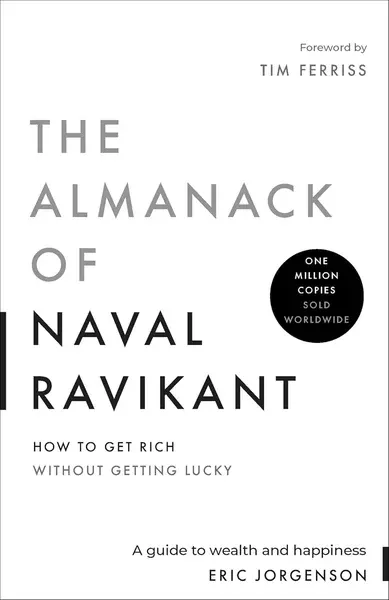
Naval's Philosophy Distilled
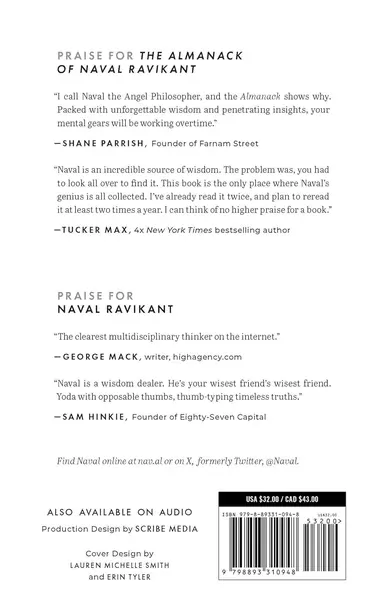
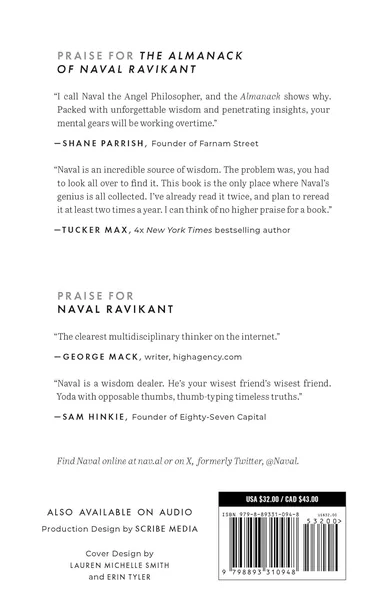
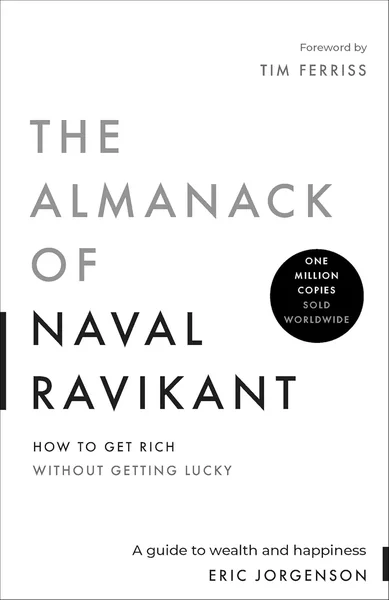
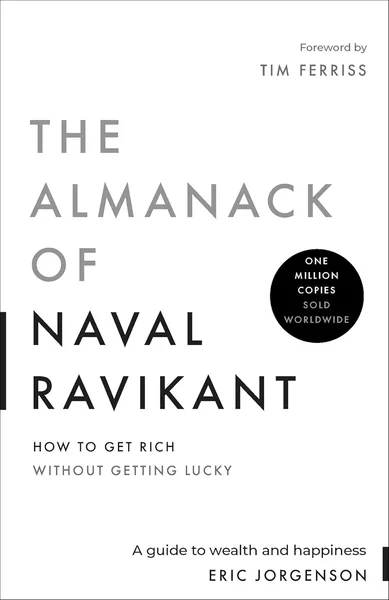
Jorgenson organizes Naval's thinking into two primary sections: wealth creation and happiness. The wealth section dismantles common misconceptions about getting rich, arguing that true wealth comes from ownership, not employment. Naval's framework distinguishes between wealth (assets that earn while you sleep) and money (how we transfer time and wealth). This distinction alone challenges conventional career advice that emphasizes climbing corporate ladders.
The happiness section proves equally practical, drawing from Stoicism, Buddhism, and modern psychology. Naval's approach to contentment focuses on reducing desires rather than fulfilling them—a counterintuitive strategy in our consumption-driven culture. He advocates for meditation, reading, and solitude as tools for mental clarity, positioning these practices as business advantages rather than mere self-care.
Jorgenson's compilation method preserves Naval's conversational tone while providing logical structure. Rather than forcing artificial chapters, the book flows through interconnected themes, allowing readers to understand how wealth and happiness reinforce each other in Naval's worldview.
The Curation Challenge
The main weakness lies in the compilation format itself. Some insights feel repetitive across different podcast appearances, and Jorgenson occasionally includes tangential thoughts that dilute the core message. The book benefits from Naval's clarity as a communicator but suffers from the inherent limitations of assembled content rather than purposefully written material.
Certain concepts—particularly around cryptocurrency and startups—reflect the timing of Naval's original statements (2018-2019) and may feel dated to readers encountering them in 2026. The cryptocurrency discussions, while foundational to Naval's thinking, lack the nuance that subsequent market developments have provided.
The happiness section, while philosophically sound, sometimes reads like Twitter wisdom expanded without sufficient depth. Naval's insights into meditation and mindfulness, though valuable, don't match the systematic approach found in dedicated books like The Mind Illuminated or Waking Up.
Practical Applications and Limitations
For entrepreneurs and business builders, this book delivers exceptional value through its frameworks for thinking about leverage, judgment, and specific knowledge. Naval's concept of "productizing yourself"—creating products or media that scale without proportional time investment—provides a practical blueprint for escaping traditional employment models.
The book excels at connecting philosophical principles to business strategy. Naval's emphasis on long-term thinking, compound interest (both financial and knowledge-based), and reading voraciously creates a coherent approach to both wealth and wisdom. His reading recommendations alone—spanning evolutionary biology, philosophy, and economics—constitute a valuable curriculum for ambitious readers.
However, the advice assumes significant privilege. Naval's path from immigrant family to Silicon Valley success story includes advantages (technical education, timing, network access) that aren't universally available. The book acknowledges this limitation but doesn't fully address how his principles apply to different circumstances or economic realities.
Why This Tops Naval Ravikant Book Recommendations
The bottom line: This compilation succeeds as both introduction and reference guide for Naval's thinking. Perfect for entrepreneurs seeking philosophical grounding for business decisions, it also appeals to readers interested in practical approaches to happiness and fulfillment.
Highly recommended for ambitious professionals who want to think differently about wealth creation and personal development. The book works particularly well for readers who prefer philosophical frameworks over tactical advice, and those seeking to understand the mindset behind successful angel investing and company building.
Not recommended for readers seeking step-by-step business plans or detailed investment strategies. Naval's wisdom operates at a higher level of abstraction, requiring readers to adapt principles to their specific situations.