

3 min read
Share This Review
Lady: A Novel by Thomas Tryon Review: A Slow-Burning Portrait with a Shocking Close
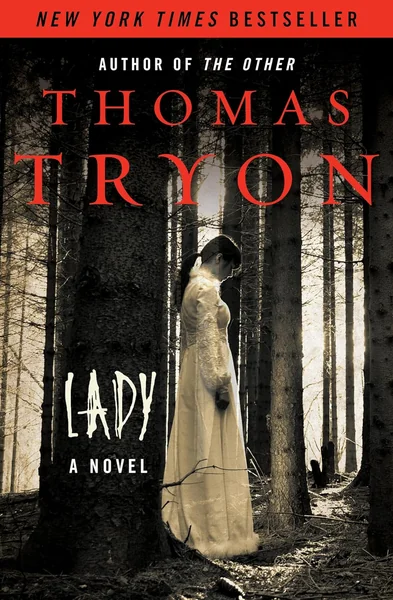
Thomas Tryon's *Lady* is a deliberately paced, nostalgia-steeped work of fiction set in the small village of Pequot Landing, narrated through the admiring eyes of a boy named Woody as he watches his elegant neighbor — known only as Lady — move through the community with grace and a well-guarded secret. Published by Knopf in November 1974, the novel marks a significant departure from the gothic horror of Tryon's first two books, aligning itself instead with the tradition of lush, soap-inflected American storytelling. Readers who prize atmospheric period fiction and slow revelations will find it rewarding; those expecting another supernatural thriller may find the tonal shift disorienting.
LuvemBooks Verdict
Best for
Readers drawn to American small-town fiction and character-driven coming-of-age stories who want a richly atmospheric portrait of 1930s life built around a beloved, enigmatic woman with a dark secret at its heart.
Worth it if
You can embrace a warm, unhurried narrative pace and are willing to wait for a late-arriving revelation that retroactively charges everything that came before it.
Skip if
You come to Lady expecting the creeping supernatural dread of Tryon's earlier work — The Other or Harvest Home — and want dramatic tension distributed evenly across the whole novel rather than concentrated in its final section.
What readers & critics say
Kirkus Reviews (1974) found the novel "rather uneventful (until the crowded close)," praising its nostalgic period texture — Jack Benny, Little Orphan Annie, the icebox before it became a fridge — while tempering enthusiasm for its structural imbalance. The StoryGraph readers echo this, noting the book is entertaining and memorable for those who understand it is a deliberate tonal divergence from Tryon's first two novels.
“Rather uneventful (until the crowded close) — full of all those nostalgic fillers of the '30s, Jack Benny and Little Orphan Annie, the icebox before it became a fridge.”
— Kirkus ReviewsIn This Review
- What Works & What Doesn't
- What the Novel Actually Is and Does
- Place in the Genre and Tryon's Career
- Strengths: Atmosphere, Period Detail, and the Central Mystery
- Genuine Limitations: Pacing and Tonal Expectations
- Who This Novel Is genuinely For
What Works & What Doesn't
What Works
- Richly detailed evocation of 1930s American small-town life, praised for period texture that feels immersive without being excessive
- Lady herself is a compelling central figure whose carefully withheld secret sustains tension across the novel's length
- The late revelation reframes the preceding narrative, delivering the 'twisted ending' the Barnes & Noble edition promises
- A Literary Guild selection that broadened Tryon's readership beyond genre horror audiences
What Doesn't
- Kirkus Reviews found the novel 'rather uneventful until the crowded close,' concentrating dramatic payoff almost entirely in the final section
- Readers expecting the supernatural gothic intensity of Tryon's earlier work will find this a pronounced and potentially disappointing tonal departure
What the Novel Actually Is and Does
Place in the Genre and Tryon's Career
Strengths: Atmosphere, Period Detail, and the Central Mystery
Genuine Limitations: Pacing and Tonal Expectations
Who This Novel Is genuinely For
Frequently Asked Questions
Sources & Further Reading
The key facts and claims in this review are grounded in the retrieved, verified sources listed below.
- Cited in this review
- 1
barnesandnoble.com
- Further reading
- 2
Thomas Tryon, Wikipedia
- 3
kirkusreviews.com
- 4
thriftbooks.com
- 5
- 6
app.thestorygraph.com
- 7
bookclubs.com
- 8
kindlenationdaily.com
- 9
openroadmedia.com
Reader Comments
No comments yet
Be the first to share your thoughts!