BOOKS
Published
Read Time
6 min read
Our Rating
3.8
A practical design guide that successfully bridges inspiration and instruction for small space decorating, though budget assumptions and homeowner focus limit universal applicability.
Reviewed by
LuvemBooks
Share This Review
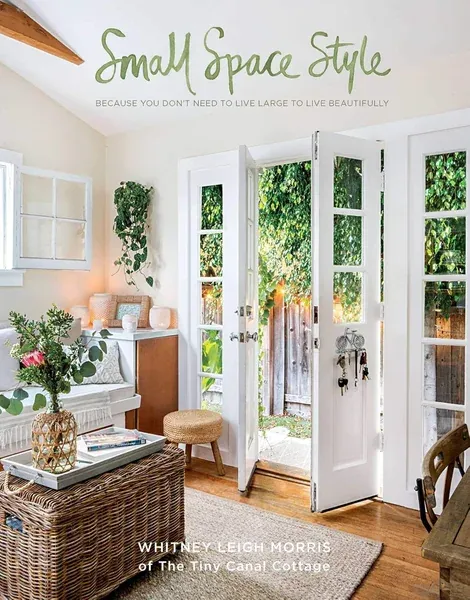
Small Space Style by Whitney Leigh Morris: Interior Design Book Review
Our Rating
3.8
A practical design guide that successfully bridges inspiration and instruction for small space decorating, though budget assumptions and homeowner focus limit universal applicability.
In This Review
- What Works & What Doesn't
- Morris's Philosophy of Intentional Design
- Practical Strategies That Actually Work
- Visual Inspiration Meets Real-World Application
- Where the Approach Falls Short
- Perfect for Design-Minded Small Space Dwellers
What Works & What Doesn't
What Works
- Specific, actionable design advice beyond generic small space tips
- Real-world photography featuring actual small homes rather than styled shoots
- Comprehensive coverage of lighting, color, and furniture strategies
- Encouraging tone that acknowledges small space constraints while remaining optimistic
- Detailed before-and-after transformations with clear explanations
What Doesn't
- Many suggestions require renovation flexibility unavailable to renters
- Budget assumptions don't align with financial realities driving small space living
- Limited focus on organization and storage systems versus aesthetic improvements
Morris's Philosophy of Intentional Design
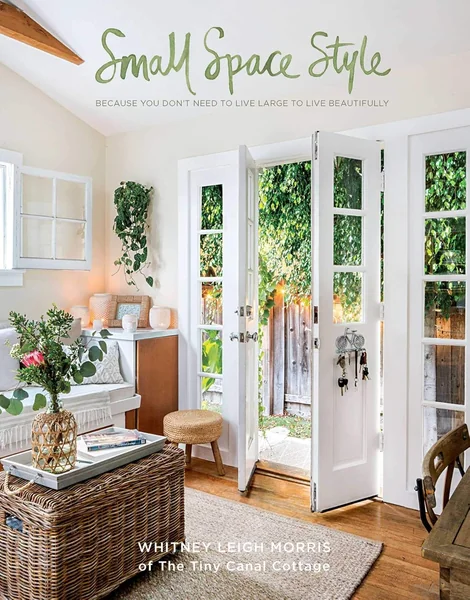
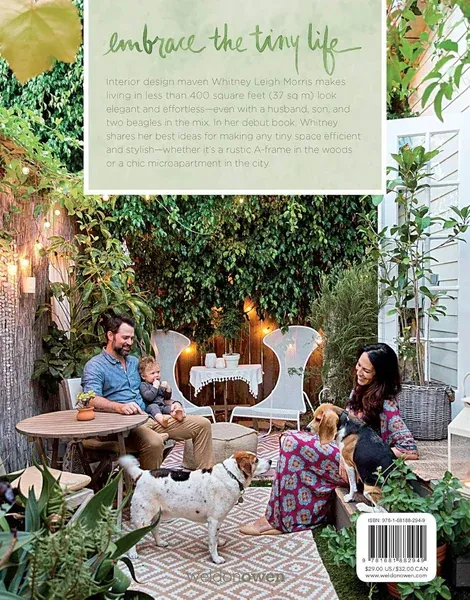
Morris builds her approach around a central thesis: beautiful living isn't about square footage. She argues that thoughtful design choices can make a 400-square-foot studio feel more spacious and inviting than a poorly planned mansion. This philosophy permeates every chapter, from furniture selection to color theory.
The author's writing style strikes an encouraging tone without veering into unrealistic territory. She acknowledges the real constraints of small spaces—limited storage, awkward layouts, thin walls—while maintaining that these challenges spark creativity rather than doom residents to aesthetic compromise. Morris writes with the confidence of someone who has actually lived in and decorated tiny spaces, not just photographed them.
Her approach emphasizes maximizing functionality while maintaining visual appeal. Rather than promoting minimalism for its own sake, she advocates for choosing fewer, better pieces that serve multiple purposes. A storage ottoman becomes seating and organization. A console table transforms into a workspace. Every item earns its place through both beauty and utility.
Practical Strategies That Actually Work
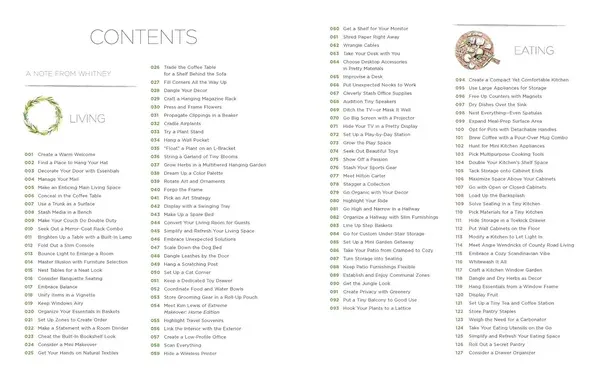
The book's strength lies in its actionable advice rather than abstract design principles. Morris provides specific product recommendations, measurement guidelines, and step-by-step room makeovers. She addresses common small space problems with concrete solutions: using mirrors to create depth, implementing vertical storage systems, and selecting furniture with exposed legs to maintain sight lines.
One particularly valuable section focuses on lighting strategies. Morris demonstrates how layered lighting—combining overhead fixtures, task lamps, and ambient sources—can dramatically expand a room's perceived size. She provides specific wattage recommendations and fixture placement guidelines that readers can implement immediately.
The color advice proves equally practical. Rather than defaulting to all-white palettes, Morris shows how strategic use of darker hues can actually make small rooms feel larger by creating depth and definition. She includes specific paint color suggestions from major manufacturers, making it easy for readers to replicate her recommendations.
Visual Inspiration Meets Real-World Application
Morris supports her advice with abundant photography showcasing real small homes rather than styled studio shots. The featured spaces include tiny apartments, converted garages, and compact condos—environments readers can actually relate to. Each room reveals specific design choices and their impact, from furniture arrangement to decorative accents.
The before-and-after transformations prove particularly compelling. Morris documents complete room makeovers with detailed explanations of each design decision. Readers see not just the final result but the reasoning behind every choice, from sofa placement to wall art selection.
However, some featured homes feel aspirational despite their small footprints. While Morris includes budget-conscious options, many showcased spaces clearly benefited from significant financial investment. The gap between her beautiful examples and typical rental apartment realities occasionally becomes apparent.
Where the Approach Falls Short
The main weakness emerges in Morris's assumption that readers have control over their spaces. Many suggestions require permanent modifications—built-in storage, wall-mounted fixtures, custom solutions—that renters cannot implement. While she includes some rental-friendly alternatives, the book clearly favors homeowners with renovation flexibility.
The budget considerations feel somewhat disconnected from small space reality. Many people live in tiny homes precisely because of financial constraints, yet Morris frequently recommends premium furniture and custom solutions. Her suggested alternatives don't always bridge the price gap effectively.
Additionally, the book focuses heavily on aesthetic improvements while giving less attention to storage systems and organization—arguably more crucial concerns for small space dwellers. Readers seeking comprehensive decluttering and organization strategies will need to supplement this guide with additional resources.
Perfect for Design-Minded Small Space Dwellers
Small Space Style succeeds as both inspiration and instruction for readers who want to elevate their compact living spaces. Morris proves that thoughtful design can transform cramped quarters into stylish, functional homes. Her specific recommendations and real-world examples provide practical guidance beyond generic "use mirrors and light colors" advice.
This book works best for homeowners or renters with some design flexibility and modest decorating budgets. Readers seeking quick organization tips or ultra-budget solutions should look elsewhere. However, those ready to invest time and money into thoughtfully designing their small spaces will find valuable guidance and genuine inspiration.
The book demonstrates that living large isn't about square footage—it's about making intentional choices that maximize both function and beauty within whatever space you have.
Product Gallery