BOOKS
Published
Read Time
6 min read
Our Rating
3.5
A influential organizing philosophy disguised as a practical guide.
Valuable insights undermined by rigid methodology and cultural disconnect, but worth reading for the mindset shift around possessions.
Reviewed by
LuvemBooks
Share This Review
The Life-Changing Magic of Tidying Up by Marie Kondo Review
Our Rating
3.5
A influential organizing philosophy disguised as a practical guide. Valuable insights undermined by rigid methodology and cultural disconnect, but worth reading for the mindset shift around possessions.
In This Review
- What Works & What Doesn't
- The KonMari Method Explained
- What Makes This Different
- The Controversy and Criticism
- Who Benefits Most
- Our Take
What Works & What Doesn't
What Works
- Introduces emotional framework for decision-making about possessions
- Systematic approach provides clear structure for overwhelmed beginners
- Challenges conventional wisdom about storage and organization
- Short, accessible read that popularized mindful consumption concepts
- Specific folding and storage techniques genuinely improve space efficiency
What Doesn't
- Overly rigid system that doesn't accommodate individual circumstances
- "Spark joy" criteria impractical for functional items and necessities
- Cultural elements feel forced or performative for many Western readers
- Repetitive content could be condensed significantly
The KonMari Method Explained
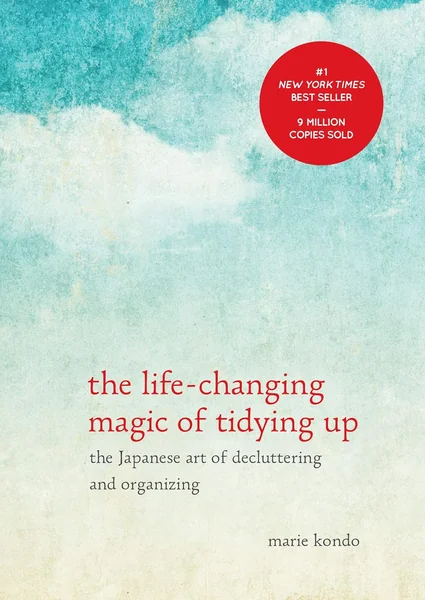
A system that is more philosophy than cleaning guide — and more useful for it, even where it overreaches. Kondo structures her system around five categories tackled in specific order: clothes, books, papers, komono (miscellaneous items), and sentimental items. This progression from easiest to most emotionally challenging forms the backbone of her approach. The method demands completing each category entirely before moving to the next—no room-by-room organizing allowed.
The "spark joy" test serves as the primary decision-making tool. Kondo instructs readers to hold each item and assess their emotional response, keeping only possessions that generate positive feelings. This subjective criteria replaces traditional organizing logic about utility or frequency of use.
Her writing style blends practical instruction with personal philosophy. Kondo presents tidying as a transformative life practice rather than mundane housework. The tone remains earnest throughout, with occasional moments that Western readers might find overly reverent toward inanimate objects—she suggests thanking discarded items for their service.
What Makes This Different
Unlike conventional organizing books that focus on storage systems and maintenance routines, Kondo's method aims for a one-time transformation. She claims that properly executed, the KonMari Method eliminates the need for repeated decluttering sessions. This "tidying festival" approach promises permanent results through intensive but finite effort.
The psychological framework sets this book apart from purely practical guides. Kondo argues that clutter reflects internal confusion and that organizing spaces creates mental clarity — a claim that either lands as insight or feels like a stretch, depending on the reader. While some embrace this mind-body connection, others find the philosophical elements excessive for a home organization manual.
Her specific techniques often contradict standard organizing advice. She advocates folding clothes into small rectangles that stand upright in drawers, creating what she calls a "pulse of energy" in storage spaces. These unconventional methods either feel revolutionary or ridiculous depending on reader temperament.
The Controversy and Criticism
The main weakness lies in Kondo's inflexibility about her system. She presents the KonMari Method as the only effective approach, dismissing alternatives without consideration. This rigidity extends to her insistence on following categories in exact order, regardless of individual circumstances or living situations.
The "spark joy" criteria proves problematic for practical items. How does one assess joy in relation to tax documents or cleaning supplies? Kondo offers limited guidance for necessities that serve functional rather than emotional purposes, leaving readers to navigate these gaps independently.
Cultural differences create additional friction. Kondo's reverence for objects and emphasis on gratitude practices reflect Japanese cultural values that may feel foreign to Western readers. Some find these elements meaningful; others consider them performative or impractical.
The book also suffers from repetitiveness. Kondo restates core concepts frequently, and the slim volume could have been condensed further without losing essential information.
Who Benefits Most
The Life-Changing Magic of Tidying Up works best for readers facing overwhelming clutter who need permission to discard possessions. People who struggle with guilt around throwing away items often find Kondo's framework liberating. The emotional approach particularly resonates with those who form strong attachments to objects.
Perfectionist types may appreciate the systematic methodology, though they should prepare for the flexibility required in real-world application. The book suits readers drawn to minimalism or mindful living, since it ties physical organization directly to broader lifestyle choices.
However, this approach isn't ideal for families with young children, people with limited storage space, or those preferring purely practical organizing advice. Readers seeking quick tips or room-specific solutions will find the comprehensive method overwhelming rather than helpful.
Our Take
The Life-Changing Magic of Tidying Up succeeds as an introduction to intentional living through possessions, even if the execution feels overly prescriptive. Kondo's emphasis on emotional decision-making offers real value for chronic over-acquirers, though her rigid methodology limits how broadly that wisdom applies.
The real value lies not in following her system exactly but in adopting the underlying principle: choose what you keep on purpose. Readers who adapt rather than adopt Kondo's methods tend to get the most from her core insight — that physical clutter and mental clutter feed each other.
Readers who feel buried in possessions and want a philosophical reset — not just storage tips — will get genuine mileage from this book; the Amazon link in the sidebar has the current price.
Related Reviews
Reviews of books we picked for readers who enjoyed The Life-Changing Magic of Tidying Up.