8 min read
Share This Review
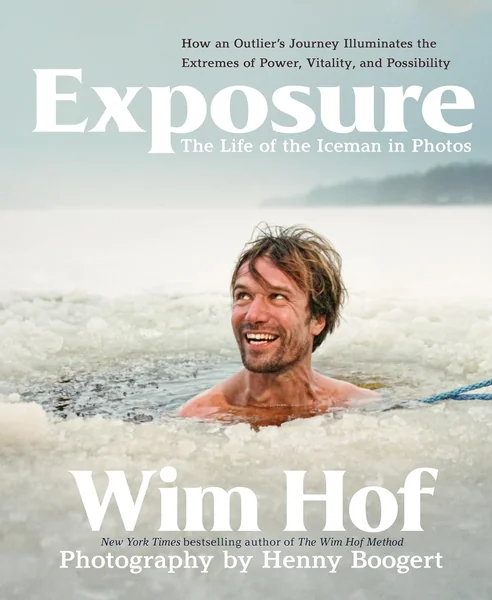
Exposure by Wim Hof Review: A Visually Striking but Uneven Illustrated Memoir
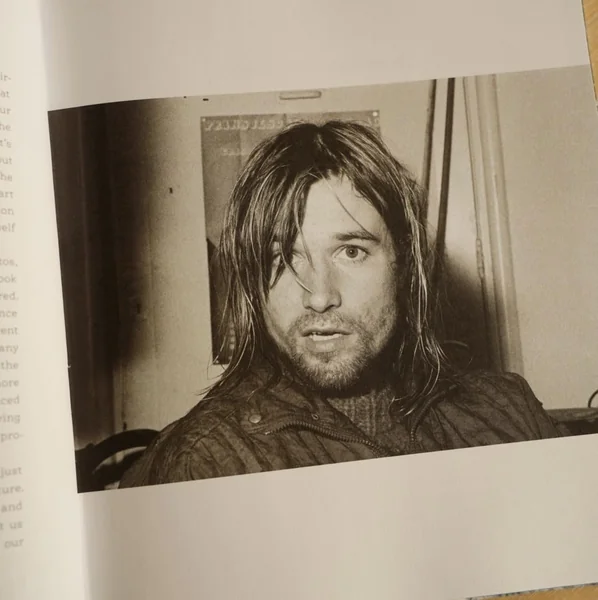
Exposure: How an Outlier's Journey Illuminates the Extremes of Power, Vitality, and Possibility is an illustrated memoir by Wim Hof — the Dutch extreme athlete known worldwide as "the Iceman" — tracing his life from unconventional early adulthood through decades of record-breaking cold-exposure feats. Published by Sounds True in November 2025, the book combines personal photographs, stories, and motivational passages. Publishers Weekly, while acknowledging the striking photography, describes it as "impressionistic and uneven" and recommends it primarily for devoted fans of Hof's work.
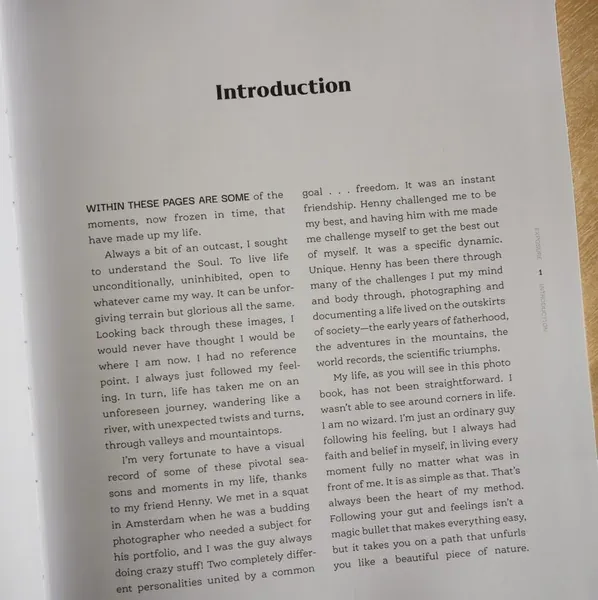
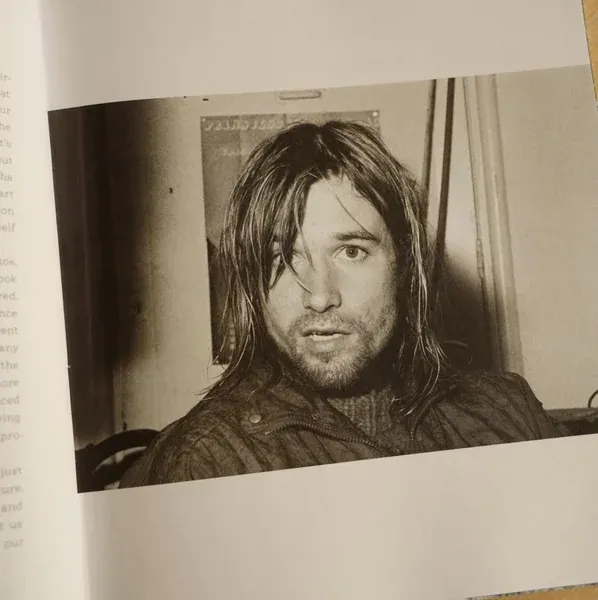 Tap to enlarge
LuvemBooks Verdict
Best for
Existing fans of Wim Hof's philosophy and previous work who want a large-format retrospective combining personal photographs, biographical episodes, and Hof's original motivational writing in a single volume.
Worth it if
You're already invested in Hof's cold-exposure practice or breathwork philosophy and value striking photography and emotional autobiography over polished literary prose.
Skip if
You're looking for a rigorously written personal narrative, a scientific account of Hof's methods, or a practical sequel to The Wim Hof Method — the book's impressionistic structure and vague motivational passages will likely frustrate you.
What readers & critics say
Publishers Weekly calls the book "impressionistic and uneven," praising its striking photography but describing the prose as "muddled" and its motivational passages as vague, ultimately concluding that "only the most devoted 'Ice Man' fans need apply." Reader responses on NetGalley are more enthusiastic, with at least one reviewer describing it as "an absolutely stunning photographic memoir."
“Impressionistic and uneven illustrated memoir — only the most devoted 'Ice Man' fans need apply.”
— Publishers WeeklyPreview the book


Ask LuvemBooks
Was this helpful?
- Is it worth reading?
- Exposure offers genuine emotional depth in its biographical sections — particularly the passages about Hof's wife's suicide and his turn to cold immersion as a means of surviving grief — and the photography is, by Publishers Weekly's account, genuinely striking. However, Publishers Weekly describes the prose as "muddled" and the motivational passages as vague, citing lines like "Go past your captive mind. Feel your essence. It is with you here and now" as representative of the book's literary shortcomings. The overall verdict from Publishers Weekly is that "only the most devoted 'Ice Man' fans need apply," reflecting a meaningful gap between the project's visual and conceptual ambition and the literary craft that might have widened its appeal. Readers already invested in Hof's philosophy and previous work are the most likely to find the book rewarding.
- Similar books
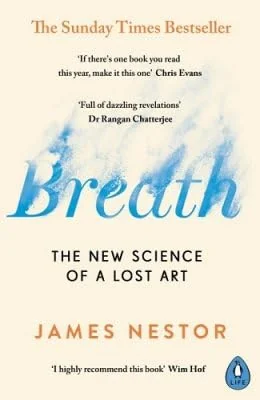
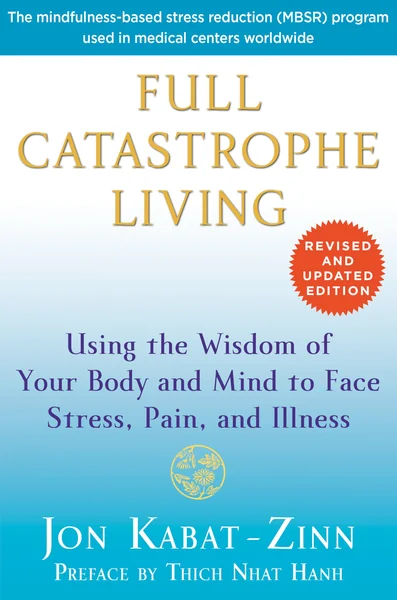
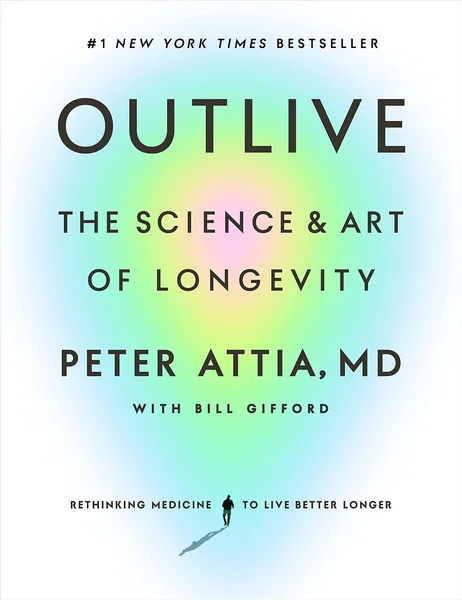
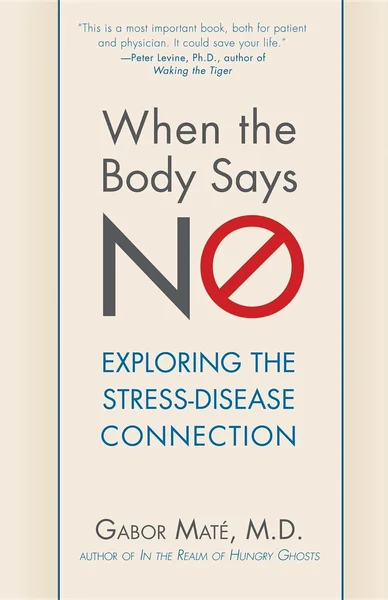
- Readers drawn to Exposure for its exploration of breathwork, cold exposure, and human potential will find Hof's earlier The Wim Hof Method: Activate Your Full Human Potential a more instructional companion — the definitive how-to guide behind the same philosophy. James Nestor's Breath: The New Science of a Lost Art offers rigorous scientific grounding for similar themes of breath and physical transformation. For longevity and performance science with a personal narrative thread, Peter Attia MD's Outlive: The Science and Art of Longevity is a natural pairing. Those interested in the mind-body connection from a clinical perspective may also appreciate Gabor Maté M.D.'s When the Body Says No: Exploring the Stress-Disease Connection or Jon Kabat-Zinn's Full Catastrophe Living.
- Who should read this?
- Exposure is best suited to three overlapping audiences: readers already invested in Wim Hof's philosophy of cold exposure and breathwork, followers of his previous books (especially The Wim Hof Method), and those drawn to large-format illustrated memoirs where photography carries significant narrative weight. Readers seeking a rigorously written personal narrative, a scientific account of Hof's methods, or a methodological sequel will find this a less satisfying fit. The book is not a how-to guide — it is a retrospective portrait, part autobiography, part photo book, part motivational text — and it rewards readers who approach it in that spirit.
- About Wim Hof
- Known worldwide as "The Iceman," Wim Hof is a Dutch extreme athlete and multiple Guinness World Record holder who has revolutionized our understanding of human potential through his extraordinary ability to withstand freezing temperatures.
- How does this compare to The Wim Hof Method?
- The Wim Hof Method is an instructional guide focused on breathwork and cold-exposure practice, designed to teach readers how to apply Hof's techniques. Exposure, by contrast, is an illustrated memoir — structured around biographical episodes from Hof's life rather than instructional content, and carrying significant visual weight through personal photographs. Where The Wim Hof Method answers "how," Exposure attempts to answer "why" by tracing the grief, idealism, and personal crisis that gave rise to Hof's philosophy. Readers who came to Hof as a wellness teacher may find Exposure a less immediately practical but more personally revealing companion volume.
- What are the main themes?
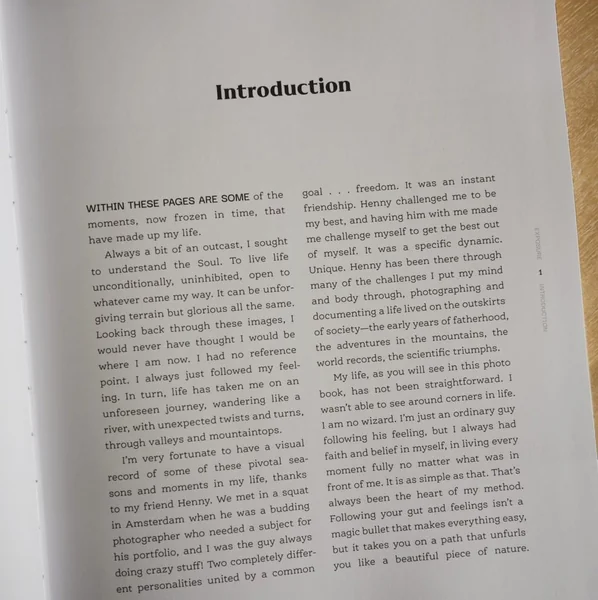
- Exposure centers on several interlocking themes: grief and psychological survival (Hof's turn to cold immersion after his wife's suicide), the limits of human physical and mental potential, and countercultural idealism as seen in his 1980s life in an abandoned Amsterdam orphanage and the failed ashram project in India. The book also engages with the tension between scientific consensus and lived extremity — Hof's Guinness World Records are presented not as athletic spectacles but as evidence that the body can do far more than mainstream science once accepted. Underlying all of it is the memoir's core philosophical argument: that living "unconditionally, uninhibited, and open to whatever comes your way" is both a personal credo and a testable proposition.
Summarize this book
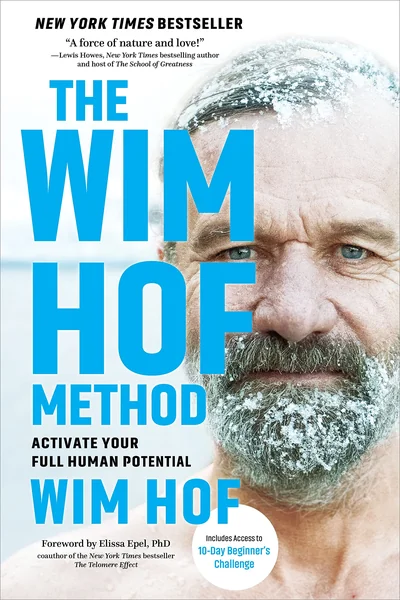
The Wim Hof Method: Activate Your Full Human Potential by Wim Hof
4.7
/ 5
The Wim Hof Method is a nonfiction self-help guide in which Dutch endurance athlete Wim Hof presents his three-pillar program — cold exposure, conscious breathing, and mindset training — as a path to improved physical and mental health, with more than one million copies sold worldwide.
View on LuvemBooks →
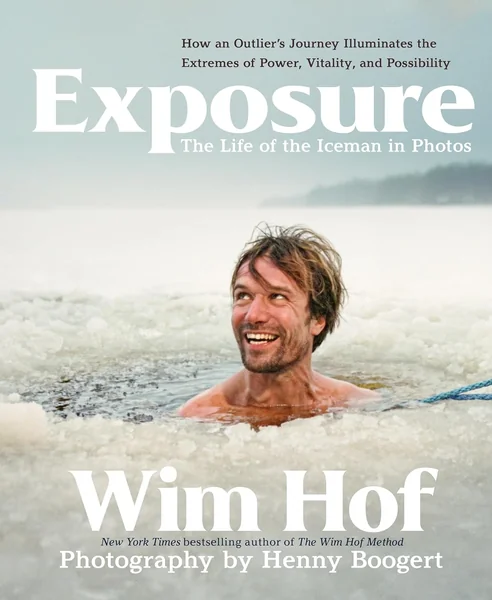
Exposure: How an Outlier’s Journey Illuminates the Extremes by Wim Hof
Exposure: How an Outlier's Journey Illuminates the Extremes of Power, Vitality, and Possibility is an illustrated memoir by Wim Hof — the Dutch extreme athlete known worldwide as "the Iceman" — tracing his life from unconventional early adulthood through decades of record-breaking cold-exposure feats. Published by Sounds True in November 2025, the book combines personal photographs, stories, and motivational passages. Publishers Weekly, while acknowledging the striking photography, describes it as "impressionistic and uneven" and recommends it primarily for devoted fans of Hof's work.
View on LuvemBooks →
Follow up
Synthesized from verified book data & published reviews · How we review
Press Enter to ask. Answers come from our editorial Q&A — start typing to see related questions.
Age & Reading Level
Recommended age
Adult
Reading level
Adult
1 content note · who it suits
Content to know about
Skip if you're looking for a rigorously written literary memoir or a practical how-to guide on cold-exposure techniques
Our Review
What the Book Actually Is and Covers
The Life at the Center: Heartbreak, Idealism, and Endurance
Records, Feats, and the Arc of the "Iceman" Identity
Where the Book Succeeds — and Where It Struggles
Who This Book Is Genuinely For
Sources & Further Reading
The key facts and claims in this review are grounded in the retrieved, verified sources listed below.
- Cited in this review
- 1
- 2
- Further reading
- 3
- 4
netgalley.com
- 5
- 6
Books like Exposure
Curated picks for readers who enjoyed Exposure, with our reasoning for each match.
If you liked Exposure