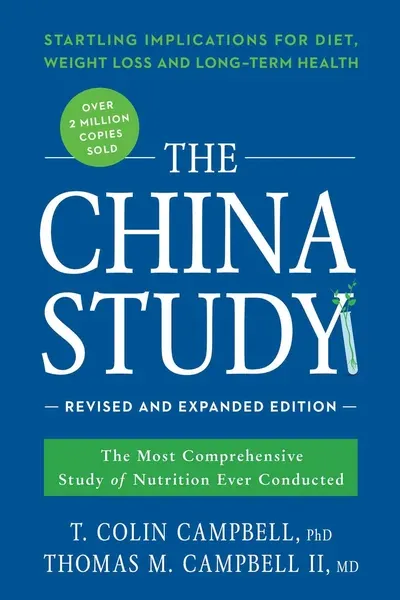
The Foundation of T. Colin Campbell's Argument
T. Colin Campbell builds his case on three primary pillars of evidence: laboratory studies, the China-Cornell-Oxford Project (the titular "China Study"), and clinical observations. The laboratory research, conducted over several decades, examined the relationship between casein (milk protein) and cancer development in rats. These controlled studies form the backbone of Campbell's argument against animal protein consumption.
The epidemiological research comparing disease rates across Chinese counties provides the book's most compelling population-level data. T. Colin Campbell presents correlations between dietary patterns and disease prevalence, arguing that regions consuming more plant-based diets showed significantly lower rates of chronic diseases. However, the book occasionally presents these correlations with more certainty than epidemiological data typically warrants.
The revised edition expands on criticisms of reductionist approaches to nutrition science—the tendency to focus on individual nutrients rather than whole dietary patterns. Campbell argues this perspective has led nutrition research astray, creating confusion about optimal eating habits.
The Science Behind Campbell's Claims
T. Colin Campbell's research methodology combines multiple types of evidence, which strengthens his overall argument. The laboratory studies provide biological mechanisms, while the epidemiological data offers real-world population evidence. The China Study excels at explaining complex biochemical processes in accessible language, making protein synthesis, cancer initiation, and metabolic pathways understandable to general readers.
The nutritional biochemistry discussions demonstrate Campbell's expertise in the field. His explanations of how different proteins affect cellular function, particularly regarding cancer development, draw from legitimate peer-reviewed research. The book references hundreds of studies, providing extensive documentation for interested readers to explore further.
However, the presentation sometimes lacks nuance in discussing conflicting evidence. While T. Colin Campbell addresses some criticisms of his work, the book would benefit from more thorough engagement with alternative interpretations of the same data sets.
Practical Applications and Dietary Recommendations
The China Study moves beyond theoretical discussion to provide concrete dietary guidance. Campbell advocates for whole food, plant-based eating, emphasizing minimally processed foods while eliminating animal products and refined foods. The recommendations focus on fruits, vegetables, whole grains, and legumes as the foundation of optimal nutrition.
The practical advice section explains how to transition away from animal-based foods, though it lacks the detailed meal planning found in more application-focused books. T. Colin Campbell addresses common concerns about protein adequacy, vitamin B12, and other nutrients of potential concern in plant-based diets, though some readers may want more specific guidance.
The book's strength lies in connecting research findings to actionable dietary changes. Campbell explains why his recommendations differ from mainstream nutritional advice, providing readers with tools to evaluate conflicting nutrition information.
Critical Analysis and Limitations
The China Study faces legitimate scientific criticisms that readers should consider. Some researchers argue that T. Colin Campbell overstates the strength of correlational evidence from epidemiological studies. The book occasionally presents associations as causal relationships without sufficient acknowledgment of this distinction.
The cherry-picking criticism suggests Campbell selectively emphasizes data supporting his hypothesis while downplaying contradictory findings. While the revised edition addresses some of these concerns, skeptical readers may find the responses incomplete.
The book's dismissal of traditional food cultures that include animal products sometimes appears absolute. Many populations consuming moderate amounts of animal foods demonstrate excellent health outcomes, which the book doesn't fully reconcile with its plant-exclusive recommendations.
Campbell's institutional conflicts and advocacy positions may influence his interpretation of evidence, though this applies to most nutrition researchers with strong positions on dietary recommendations.
Who Should Read This Nutrition Research
The China Study appeals most to readers seeking scientific justification for plant-based eating choices. Those already interested in reducing animal product consumption will find comprehensive research support for their dietary decisions. The book provides valuable insights for healthcare professionals wanting to understand plant-based nutrition from an evidence-based perspective.
Readers with strong scientific backgrounds will appreciate the detailed research discussions, though they should approach the conclusions with appropriate skepticism. Those seeking practical meal planning or cooking guidance should supplement this book with more application-focused resources.
The work proves less suitable for readers wanting balanced presentations of nutrition controversies. T. Colin Campbell's advocacy position, while transparent, shapes the book's perspective throughout.