

3 min read
Share This Review
The Alchemist by Paulo Coelho Review: A Global Fable With Fierce Detractors
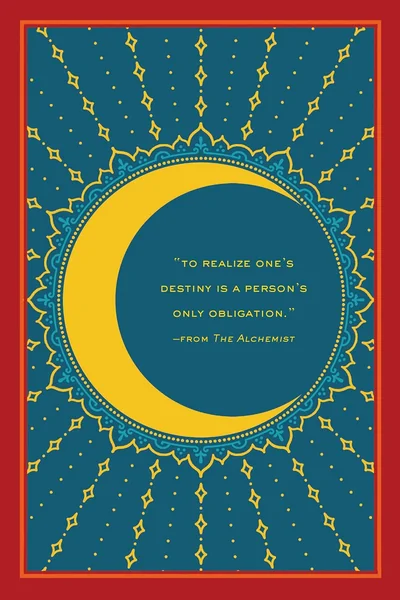
Paulo Coelho's *The Alchemist* — a spiritual fable following the Andalusian shepherd Santiago on a dream-driven quest from Spain to the Egyptian pyramids — has sold more than 150 million copies worldwide and been translated into more than 65 languages, making it one of the most widely distributed novels in publishing history. The HarperOne anniversary edition brings this modern classic to a new generation of readers. Reception remains sharply divided: admirers value its accessible, motivating message about personal destiny and the courage to pursue it, while critics characterise the prose as simplistic and the philosophy as didactic. Whether the book transforms or disappoints depends almost entirely on what a reader brings to it.
LuvemBooks Verdict
Best for
Readers drawn to short, accessible spiritual parables — particularly those open to reflecting on questions of personal destiny and purpose, or book-club members who want a compact, conversation-starting text about ambition and the courage to pursue one's dreams.
Worth it if
Worth engaging with if you can meet the novel on its own terms as a fable — embracing its intentional simplicity, allegorical register, and the central concept of the "Personal Legend" rather than expecting the moral complexity or psychological depth of literary fiction.
Skip if
Skip it if you require psychologically realistic characters, narrative ambiguity, or prose that rewards close literary analysis — readers who arrive expecting those qualities consistently report a gap between the book's towering reputation and what they find on the page.
What readers & critics say
Kirkus Reviews was blunt in its dismissal, calling the novel "an interdenominational, transcendental, inspirational fable — in other words, a bag of wind," while biblio.com summarises the divided landscape precisely: admirers praise a spiritually uplifting, quotable fable that motivates readers to pursue their dreams, while critics dismiss it as self-help in disguise — clichéd, didactic, and philosophically shallow, with simplistic prose and a deus-ex-machina mysticism they find reductive.
“An interdenominational, transcendental, inspirational fable — in other words, a bag of wind.”
— Kirkus ReviewsIn This Review
- What Works & What Doesn't
- What the Book Is and What It Contains
- The Book's Place in Global Literature
- What Admirers Find Compelling
- Where Critics Push Back
- Who This Book Is Genuinely For
What Works & What Doesn't
What Works
- Extraordinary global reach — more than 150 million copies sold and translated into more than 65 languages, a genuinely documented cultural phenomenon
- A compact, accessible structure (the anniversary paperback runs 208 pages) that allows readers to engage with its spiritual themes in a single, sustained sitting
- The concept of the 'Personal Legend' and Santiago's journey through North Africa to the Egyptian pyramids provide a concrete, memorable narrative framework for philosophical questions about purpose and destiny
- Recognised by Guinness World Records as the work of the world's most translated living author (2009), affirming its singular place in contemporary literary history
What Doesn't
- Critics consistently characterise the prose as simplistic and the spiritual philosophy as didactic — closer in method to self-help than to literary fiction
- The novel's mystical framework, including its literal treasure ending, is dismissed by a significant portion of readers as deus-ex-machina plotting that undercuts the depth it reaches for
- Readers who expect moral complexity, narrative ambiguity, or psychologically realistic characters will find the fable form an intentional but frustrating constraint
What the Book Is and What It Contains
The Book's Place in Global Literature
What Admirers Find Compelling
Where Critics Push Back
Who This Book Is Genuinely For
Frequently Asked Questions
Sources & Further Reading
The key facts and claims in this review are grounded in the retrieved, verified sources listed below.
- Cited in this review
- 1
en.wikipedia.org
- 2
- Further reading
- 3
Paulo Coelho, Wikipedia
- 4
- 5
artsandfood.com
- 6
readtraverse.com
- 7
Reader Comments
No comments yet
Be the first to share your thoughts!