Paulo Coelho
1
Books ReviewedAsk LuvemBooks about Paulo Coelho
- Where should I start?
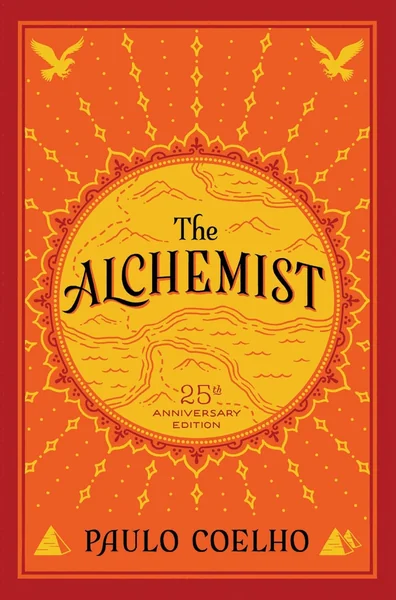
- The Alchemist is the natural entry point. It is Coelho's most widely read work, and its structure — a young shepherd's allegorical journey toward self-discovery — introduces the spiritual and philosophical concerns that run through everything he writes. Its brevity (under 200 pages in most editions) also makes it a low-commitment way to gauge whether his parable-style voice suits you before exploring further.
- What's their writing style?
- Coelho writes in a deliberately spare, fable-like register: short chapters, plain declarative sentences, and archetypal characters who function more as symbolic roles than as psychologically layered individuals. His narratives are structured around a quest or journey that doubles as an internal, spiritual transformation, and he typically closes episodes with an aphoristic observation intended to carry moral weight. Readers who value ornate prose or ambiguity tend to find the style thin; those attuned to the parable tradition — from folk tales to Sufi stories — often find it quietly effective.
- Books we've reviewed
- LuvemBooks has reviewed one Paulo Coelho title to date. The Alchemist is his signature work — an allegorical fable following a Spanish shepherd's journey to Egypt that uses the quest structure to explore destiny, self-knowledge, and the cost of ignoring one's own ambitions. It carries an Amazon aggregate reader rating of 4.6/5 from nearly 182,000 ratings.
- What genre do they write?
- Coelho's fiction is most accurately described as allegorical or philosophical fiction — novels structured as fables or spiritual parables rather than plot-driven genre stories. His work draws on mysticism, Jungian archetypes, and diverse religious traditions (Christianity, Islam, alchemy, New Age spirituality) to construct stories that prioritise inner meaning over external incident. Though The Alchemist is listed under Graphic Novels & Comics in some retail catalogues, that reflects a specific edition format rather than the nature of Coelho's writing.
- What should I read after The Alchemist?
- If The Alchemist worked for you, the clearest next step within Coelho's own catalogue is The Pilgrimage — his debut novel and a semi-autobiographical account of walking the Camino de Santiago, which shares the quest structure but grounds it in a specific, real-world journey. For readers who want something tonally similar from a different author, Hesse's Siddhartha covers parallel spiritual-seeking territory with a more classical literary style.
Who is Paulo Coelho?
Follow up
Synthesized from verified book data & published reviews · How we review
Press Enter to ask. Answers come from our editorial Q&A — start typing to see related questions.
Authors Like Paulo Coelho

Dav Pilkey
David Murray "Dav" Pilkey Jr.
2 books reviewed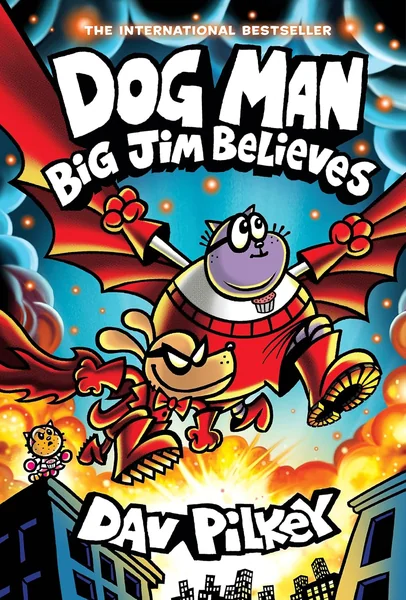

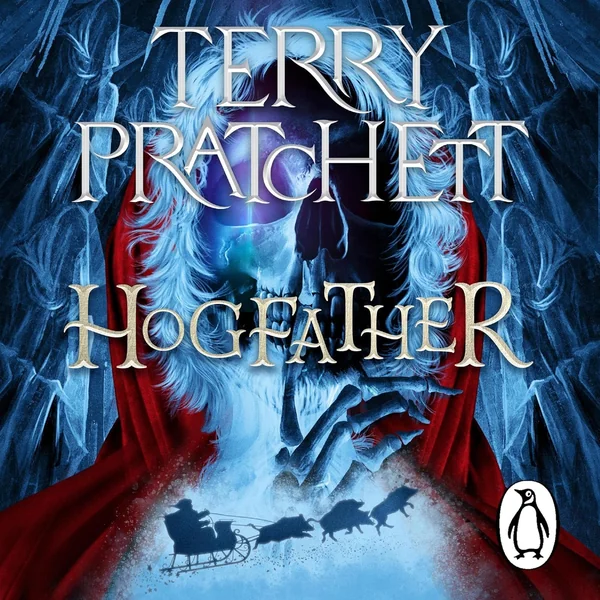
Terry Pratchett
Beloved British fantasy author of the Discworld series, known for his satirical wit and having sold over 85 million books worldwide.
2 books reviewed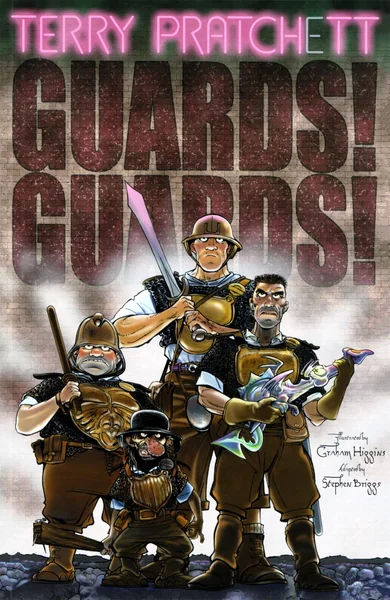
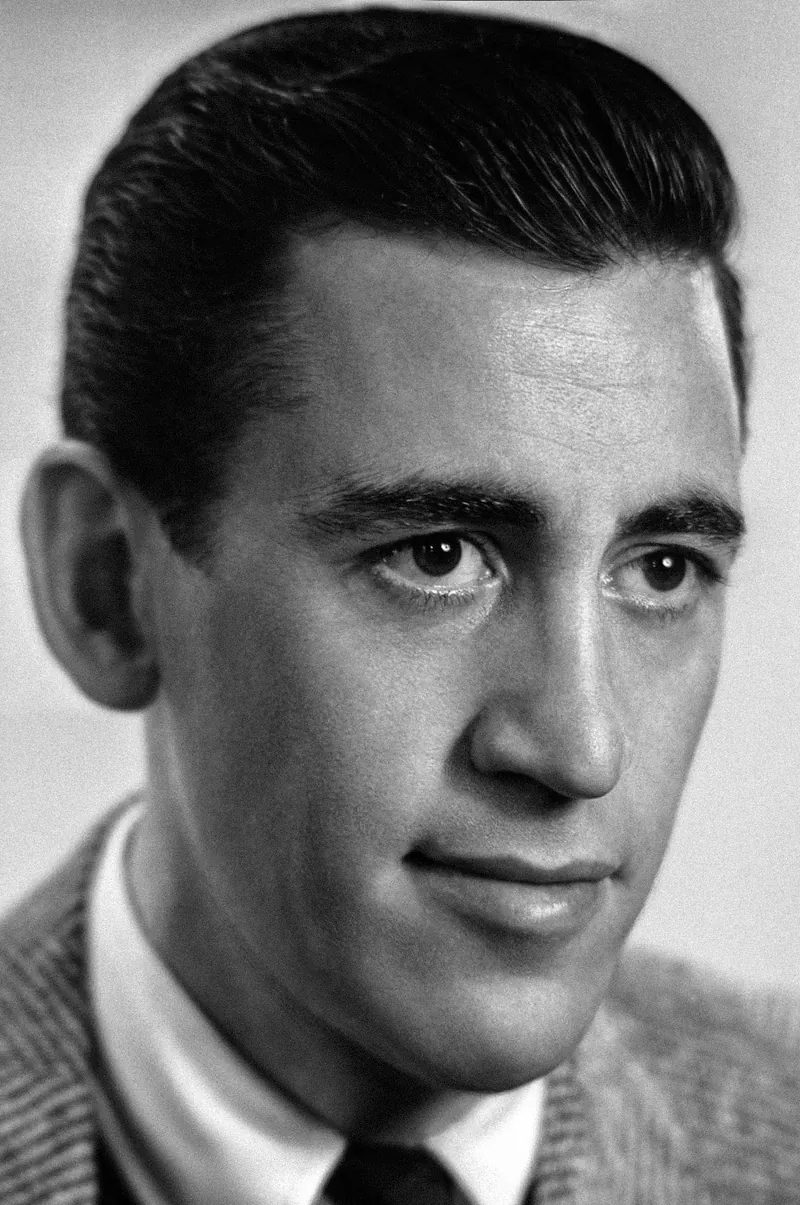
J. D. Salinger
Jerome David Salinger was an American author best known for his 1951 novel The Catcher in the Rye.
1 book reviewed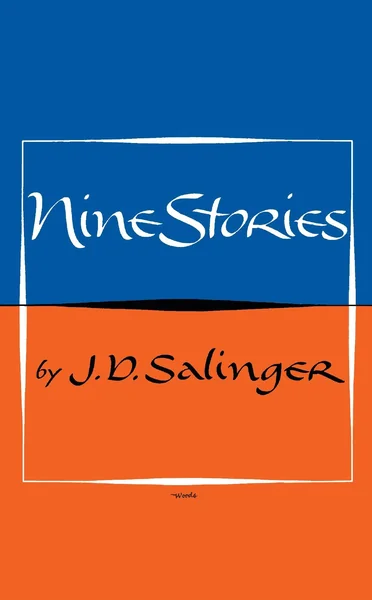
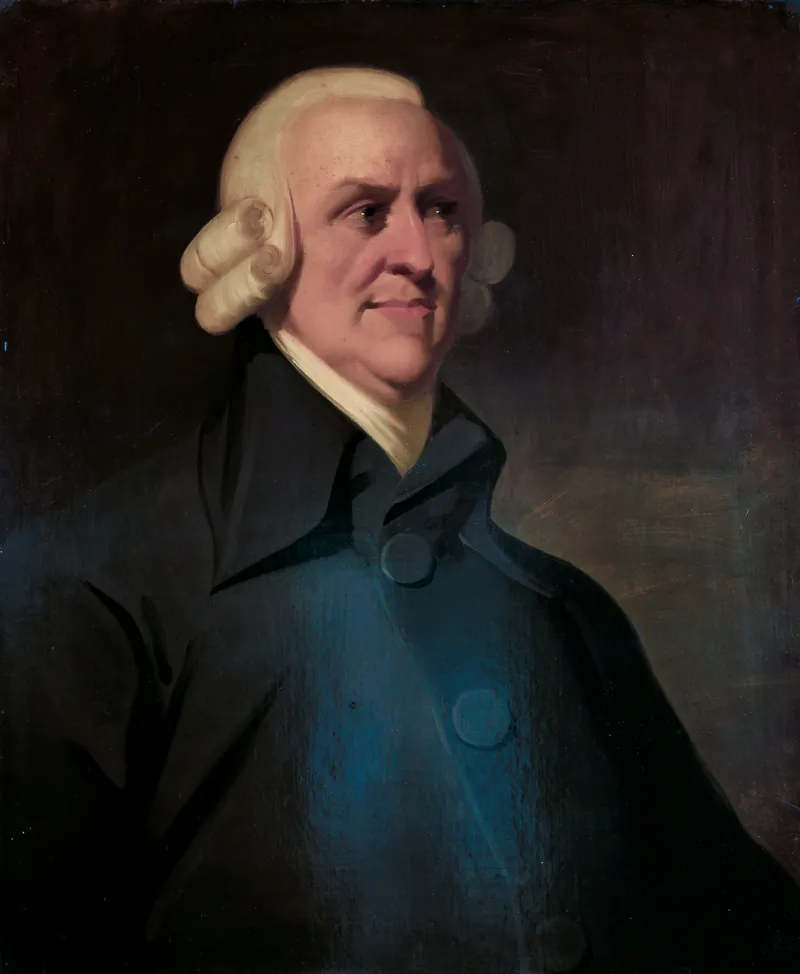
Adam Smith
Adam Smith was a Scottish economist and philosopher who was a pioneer in the field of political economy and key figure during the Scottish Enlightenment.
1 book reviewed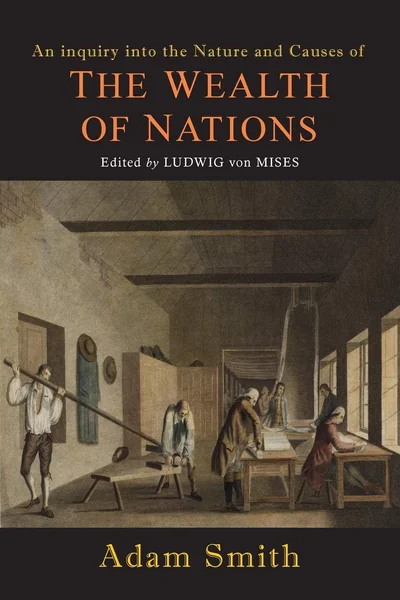

Jonathan Haidt
Jonathan David Haidt is an American social psychologist and author.
1 book reviewed

Kazuo Ishiguro
Born in Nagasaki and raised in Britain from the age of five, **Sir Kazuo Ishiguro** has emerged as one of the most distinctive voices in contemporary literature.
1 book reviewed