A Friendship Born from Mortality
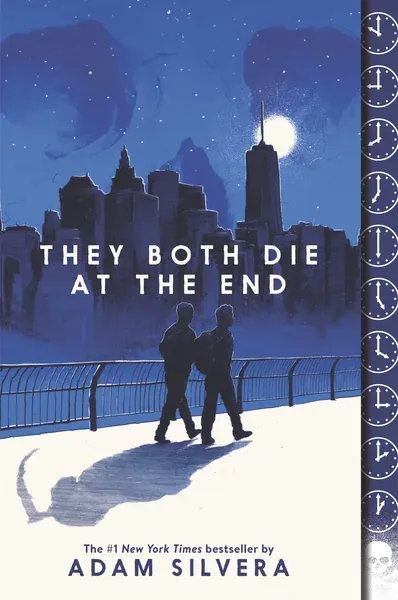
The premise feels both fantastical and eerily plausible: Death-Cast, a service that can predict when someone will die within 24 hours, calls teenagers Mateo Torrez and Rufus Emeterio on the same day. Through the Last Friend app, these strangers connect to spend their final hours together, transforming from isolation to genuine friendship in mere hours.
Silvera constructs his narrative around the psychological weight of knowing exactly when death will arrive. Rather than focusing on how people die, the story examines how they choose to live when time runs out. The alternating perspectives between Mateo and Rufus create emotional momentum that builds throughout their shared day.
Mateo and Rufus: Authentic Voices in Crisis
The characterization elevates what could have been a gimmicky premise into genuine emotional territory. Mateo emerges as an anxious, creative teenager who has spent his life avoiding risks, while Rufus is dealing with the recent loss of his family and his placement in foster care. Their contrasting personalities create natural conflict and growth.
Silvera avoids the trap of making his protagonists perfect or purely tragic. Mateo's anxiety feels authentic rather than romanticized, and Rufus's anger stems from realistic circumstances rather than manufactured drama. Their friendship develops organically despite the compressed timeframe, avoiding the instant-connection cliché common in YA fiction.
Love, Loss, and LGBTQ Representation
The novel weaves LGBTQ themes naturally into its narrative fabric. Mateo's exploration of his sexuality occurs alongside his confrontation with mortality, creating layered emotional complexity. Silvera presents these elements without sensationalizing them, treating sexual identity as one aspect of teenage experience rather than the defining characteristic.
The representation feels particularly significant given the scarcity of LGBTQ protagonists in YA literature dealing with death and friendship. However, this also contributes to the book's mature content that parents should consider when evaluating age appropriateness.
Emotional Intensity and Content Concerns
The book's greatest strength—its unflinching examination of death—also raises questions about its suitability for younger readers. The story doesn't shy away from depicting grief, violence, and emotional trauma. Several scenes involve car accidents, physical altercations, and intense emotional breakdowns that may overwhelm sensitive readers.
Parents should be aware that the book contains strong language, including frequent use of profanity that reflects authentic teenage speech patterns. The LGBTQ content includes romantic elements and discussions of sexuality that some families may want to preview before sharing with middle-grade readers.
The emotional weight of the story cannot be understated. Readers who struggle with anxiety, depression, or have experienced recent loss may find the content particularly challenging. The book's title telegraphs its ending, but the emotional journey proves more devastating than the inevitable conclusion.
Where It Stumbles
Despite its emotional power, the novel suffers from pacing issues in its middle section. Some supporting characters feel underdeveloped, particularly members of Rufus's friend group, the Plutos, who often function more as plot devices than fully realized individuals. The Death-Cast premise, while compelling, raises logical questions that Silvera never fully addresses.
The book's structure occasionally works against its emotional goals. Frequent perspective shifts and timeline jumps can create distance when the story most needs intimacy. Some readers may find the coincidences required to bring Mateo and Rufus together stretch credibility, even within the story's speculative framework.
Who Should Read This Devastating Story
hey Both Die at the End** works best for mature teen readers (ages 15 and up) who can handle intense emotional content and complex themes about mortality. The book offers valuable perspectives on friendship, courage, and living authentically, but requires emotional readiness that many younger teens may lack.
Parents concerned about age appropriateness should consider their individual child's maturity level and emotional resilience. Readers who enjoyed The Perks of Being a Wallflower or Aristotle and Dante Discover the Secrets of the Universe may find similar emotional resonance here, though Silvera's approach proves more intense than either comparison.
The book serves as an excellent discussion starter for families comfortable addressing difficult topics, but shouldn't be approached casually by readers unprepared for its emotional demands.
You can find They Both Die at the End at Amazon, your local bookstore, or directly from HarperTeen.