A Clever Mouse and His Imaginary Monster
s The Gruffalo appropriate for children?** Absolutely, and here's why this 1999 masterpiece from Julia Donaldson continues to captivate young readers nearly three decades later. Set in the deep dark wood, this picture book follows a clever mouse who invents a fearsome creature called the Gruffalo to scare away predators, only to discover that his imaginary monster is very real indeed.
The story's brilliance lies in its perfect balance of suspense and safety. While the mouse encounters genuinely threatening animals—a fox, an owl, and a snake—each hoping to make him their meal, the tension never becomes truly frightening for young readers. Instead, Donaldson crafts a trickster tale that celebrates quick thinking and courage, making it ideal for children aged 3-7 who are beginning to navigate concepts of danger and problem-solving.
Fans of Where the Wild Things Are will recognize similar themes of childhood imagination and empowerment, though Donaldson's approach feels more grounded and accessible for the youngest readers.
Scheffler's Illustrations Bring the Forest to Life
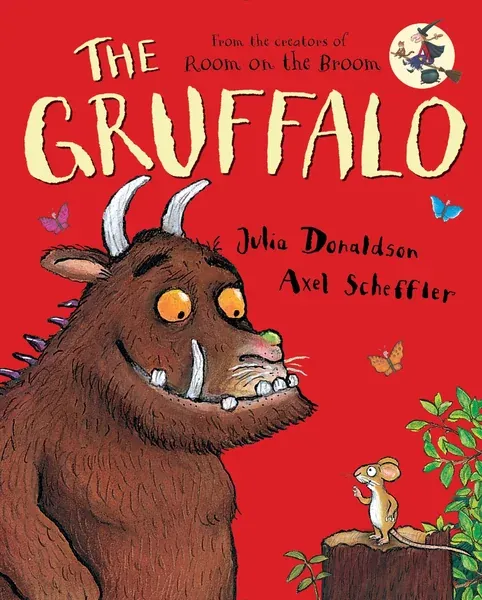
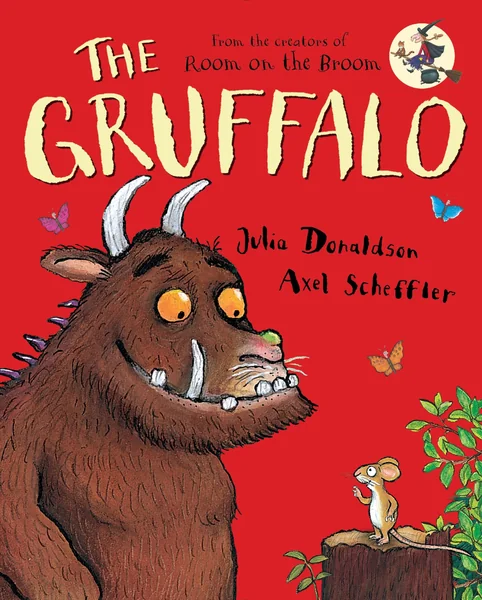
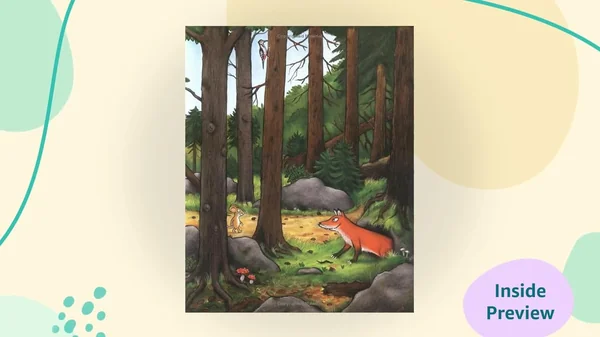
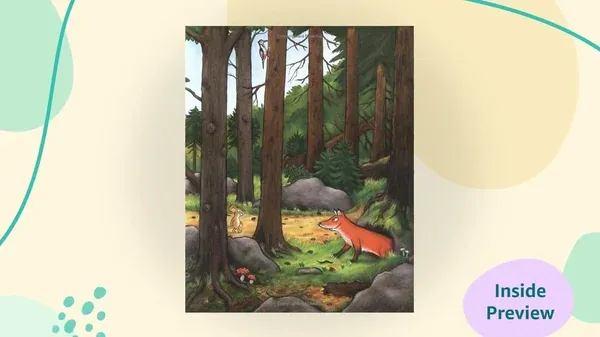
Axel Scheffler's artwork deserves equal billing with Donaldson's text. His distinctive illustration style transforms what could have been a genuinely scary story into something wonderfully engaging. The Gruffalo himself—with his terrible tusks, terrible claws, and terrible teeth—manages to look both fearsome and oddly endearing. Scheffler's forest setting feels rich and inviting rather than dark and threatening, with warm earth tones and expressive animal faces that help children connect with each character.
The visual storytelling works in perfect harmony with the rhyming text. Each page turn reveals new details that support the narrative, from the mouse's confident posture when describing his imaginary friend to the genuine surprise on the Gruffalo's face when he realizes he's been outwitted. These illustrations don't merely accompany the story—they enhance and complete it.
Characters That Teach While They Entertain
The mouse protagonist embodies everything parents want to teach their children about facing challenges. He's small but brave, clever rather than aggressive, and finds creative solutions to seemingly impossible problems. When threatened by larger predators, he doesn't panic or resort to violence—he uses his wits to create the Gruffalo as protection.
The Gruffalo himself represents a fascinating twist on the monster archetype. Despite his fearsome appearance and reputation, he turns out to be more confused than evil, ultimately running away when faced with his supposed prey's confidence. This subversion teaches children that things aren't always what they seem and that perception can be more powerful than reality.
Even the predators—the fox, owl, and snake—serve an important narrative function. They're genuinely threatening enough to create tension but cartoonish enough to avoid real fear, striking the perfect balance for picture book storytelling.
Rhyme, Rhythm, and Repetition That Works
Donaldson's mastery of rhyming couplets creates an almost musical reading experience. The repetitive structure—with each predator encounter following a similar pattern—helps young children anticipate and participate in the storytelling. This predictability isn't boring; it's comforting and educational, allowing children to develop reading confidence as they begin to "read" along with familiar passages.
The approximately 700-word length feels perfectly calibrated for attention spans and bedtime routines. The story moves at an ideal pace, never dragging but never rushing through important moments. Each encounter builds naturally toward the climactic meeting with the actual Gruffalo, creating genuine narrative momentum despite the simple structure.
A Story That Grows With Its Readers
While The Gruffalo works beautifully as a simple story for very young children, it offers deeper layers for older readers and adults. The tale can be read as an exploration of how we create and overcome our own fears, or as a celebration of intelligence triumphing over brute force. The mouse's journey from potential victim to confident problem-solver mirrors the developmental arc many children experience as they grow more independent.
The story's resolution—with the Gruffalo ultimately fearing the mouse—introduces concepts of reputation, perception, and the power of storytelling itself. These themes resonate differently as children mature, making this a book families can return to year after year with fresh appreciation.
Minor Quibbles in an Otherwise Perfect Package
If there's any criticism to be made, it might be that the story's popularity has led to somewhat formulaic sequels and spin-offs that don't quite capture the original's magic. The Gruffalo's Child and other follow-ups feel more manufactured than inspired, lacking the organic cleverness that makes the original so special.
Some parents might also wish for slightly more diversity in the forest setting, though this is a minor concern given the book's 1999 publication date and the universal appeal of its core story.
A Picture Book That Deserves Its Classic Status
The Gruffalo succeeds because it respects its young audience while delivering genuine entertainment value for adults. It's sophisticated enough to reward multiple readings while remaining accessible to the newest readers. The combination of Donaldson's clever storytelling and Scheffler's expressive illustrations creates something truly special—a modern classic that will likely endure for generations.
For parents seeking books that build confidence, celebrate intelligence, and provide genuine entertainment without talking down to children, The Gruffalo represents everything picture book storytelling can achieve. It's appropriate for virtually any child old enough to sit through a story, making it an essential addition to any family library.