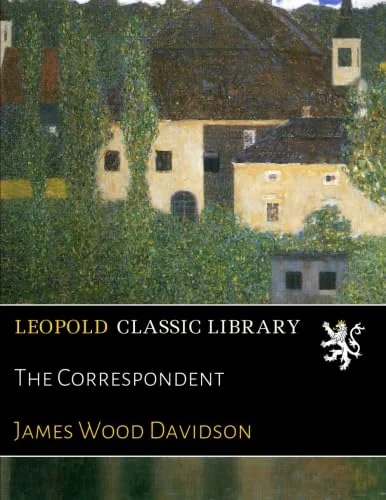
Is The Correspondent worth reading? In an era where journalism faces unprecedented challenges, James Wood Davidson delivers a compelling exploration of media ethics and personal integrity in his latest work. This novel examines what happens when a seasoned journalist confronts the collision between traditional reporting and digital-age pressures.
For readers who enjoyed The Imperfectionists by Tom Rachman or The Sellout by Paul Beatty, James Wood Davidson offers a similarly sharp examination of modern professional life, though with a more introspective approach to character development.
A Newsroom Under Pressure
James Wood Davidson constructs his narrative around a newspaper facing the familiar pressures of declining readership and digital transformation. The novel doesn't shy away from the harsh realities of modern journalism—budget cuts, staff reductions, and the constant pressure to publish quickly in the 24-hour news cycle.
The author's prose style strikes a balance between accessibility and literary sophistication. Davidson writes with the precision of someone who understands both the mechanics of journalism and the human cost of pursuing truth. His sentences carry the weight of experience without becoming overly dense or academic.
The pacing feels deliberate, allowing readers to absorb the complexity of ethical dilemmas facing contemporary journalists. James Wood Davidson avoids the breathless thriller approach that many newsroom novels adopt, instead choosing a more measured examination of professional integrity under pressure.
The novel's central strength lies in its nuanced portrayal of journalists grappling with ethical boundaries. Davidson presents characters who face genuine moral dilemmas without easy answers. The tension between speed and accuracy, between public interest and personal privacy, drives much of the narrative forward.
James Wood Davidson explores themes of truth and responsibility through multiple perspectives, avoiding the trap of presenting journalism as either purely heroic or completely corrupt. Instead, he shows how well-intentioned professionals can find themselves compromising their values in small increments.
The author demonstrates particular insight into how digital platforms have changed not just how news is consumed, but how it's conceived and created. Social media's influence on story selection and framing receives thoughtful treatment without feeling preachy or outdated.
Character Development and Relationships
The protagonist's journey from idealism to pragmatism forms the novel's emotional core. Davidson creates a character whose struggles feel authentic rather than manufactured for dramatic effect. The internal conflicts between personal ethics and professional survival resonate throughout the narrative.
The supporting characters provide depth without overwhelming the central story. Davidson populates his newsroom with recognizable figures but gives each enough individuality to avoid caricature.
Relationships between characters develop organically, particularly the mentorship dynamics that often define newsroom culture. The author captures both the competitive and collaborative aspects of journalism without romanticizing either.
Where the Novel Stumbles
While James Wood Davidson handles the ethical dimensions skillfully, the novel occasionally feels didactic in its treatment of media literacy and public trust. Some scenes read more like journalism school lectures than organic story moments, interrupting the narrative flow.
The resolution feels somewhat rushed compared to the careful buildup of moral complexity throughout most of the book. Davidson introduces several subplot threads that don't receive adequate development, leaving some character arcs feeling incomplete.
The dialogue sometimes lacks the natural rhythm of actual newsroom conversation. Davidson's voice works better in introspective passages than in rapid-fire professional exchanges.
A Timely Examination of Truth
Despite its flaws, The Correspondent succeeds as both entertainment and commentary. James Wood Davidson has crafted a work that speaks directly to current anxieties about information, trust, and institutional credibility. The book works particularly well for readers interested in media ethics or contemporary workplace fiction.
The novel's greatest strength lies in its refusal to offer simple solutions to complex problems. Davidson presents journalism's challenges honestly while maintaining respect for the profession's importance in democratic society.
For readers seeking insight into how traditional media adapts to digital disruption, The Correspondent by James Wood Davidson provides a thoughtful examination of these pressures.
Where to Buy
You can find The Correspondent at Amazon, Barnes & Noble, or through your local independent bookstore.