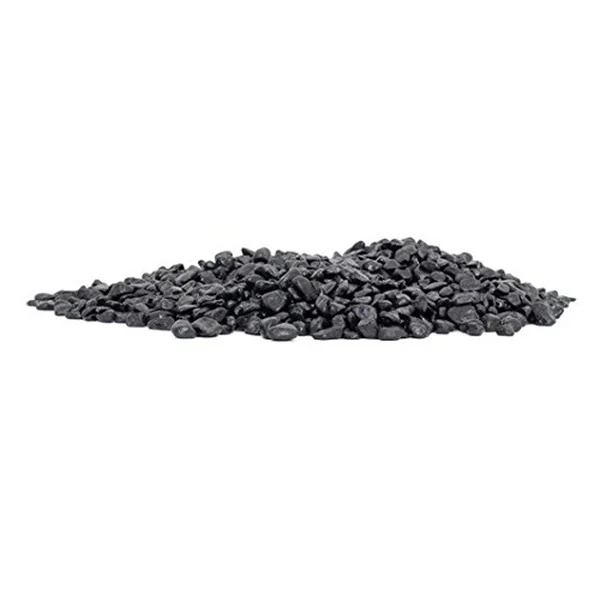
Is Marina Decorative Gravel safe for your fish tank? This popular black aquarium substrate offers an affordable way to create a natural-looking tank bottom, but like any gravel, it requires proper preparation and consideration for your specific setup.
Marina's decorative gravel comes in smooth, rounded stones that won't damage delicate fish fins or barbels. The 1-pound bag provides enough substrate to cover approximately 2-3 square feet at the recommended 1-2 inch depth, making it suitable for tanks up to 20 gallons depending on your desired coverage.
The black coloration creates excellent contrast that makes fish colors pop, particularly bright species like neon tetras, angelfish, and goldfish. Unlike sharp-edged alternatives, these stones have been tumbled smooth to eliminate cutting hazards for bottom-dwelling species like corydoras catfish and loaches.
What Makes Marina Decorative Gravel Stand Out
The coating on Marina's gravel resists fading and chipping better than many budget alternatives. The stones maintain their deep black color even after months of exposure to aquarium lighting and water changes. Each piece measures approximately 2-4mm in diameter, perfect for most community fish while being too large for accidental ingestion by smaller species.
The gravel's weight helps it stay in place during filter operation and fish activity. Unlike lightweight substrates that constantly shift, Marina's stones settle quickly and maintain their arrangement. This stability is particularly important for planted tanks where consistent substrate levels support root development.
Water chemistry remains neutral with this gravel - it won't alter pH, hardness, or other parameters. This makes it safe for sensitive species and ideal for beginners who want predictable water conditions without substrate-related chemistry changes.
Who Should Choose Marina Decorative Gravel
Best for freshwater community tanks housing tetras, barbs, danios, and similar mid-water swimming fish. The dark substrate creates a natural backdrop that reduces fish stress while highlighting their natural colors.
Bottom-dwelling fish like corydoras, plecos, and most loaches do well with this smooth gravel. The rounded edges won't damage their sensitive barbels during normal foraging behavior. However, species that constantly sift substrate may gradually sort the stones by size over time.
New aquarium owners appreciate the straightforward setup - rinse thoroughly until water runs clear, then add to your tank. No special preparation or buffering required like some specialty substrates demand.
When to Skip This Gravel
Not suitable for aggressive diggers like large cichlids that constantly rearrange substrate. Species like Jack Dempseys, Oscars, and Texas cichlids will scatter these stones throughout the tank, potentially damaging equipment or creating uneven surfaces.
Planted tank enthusiasts seeking nutrient-rich substrate should look elsewhere. While plants can grow in this gravel with root tabs or liquid fertilizers, dedicated planted substrates provide better long-term nutrition for demanding species.
Very small fish under 1 inch may find the stone size overwhelming in shallow tanks. Consider finer substrates for nano setups or breeding tanks housing fry.
Value Assessment: Worth the Investment?
At roughly $8-12 per pound depending on retailer, Marina Decorative Gravel sits in the budget-friendly category without sacrificing quality. Better value than premium brands for basic community setups where specialized substrate benefits aren't needed.
The 1-pound package covers limited area, so budget for multiple bags if furnishing larger tanks. A 29-gallon tank typically requires 3-4 pounds for proper 2-inch depth coverage. Factor this into your total setup cost.
The bottom line: Marina Decorative Gravel delivers reliable performance for standard freshwater community tanks. While it lacks the specialized benefits of planted or cichlid substrates, it excels at its intended purpose - providing safe, attractive tank bottom coverage that won't interfere with water chemistry or fish health.
Consider upgrading to specialized substrates only if you're keeping demanding plants or fish species with specific substrate requirements. For most community setups, this gravel provides excellent value and long-term durability.