6 min read
3.8
A psychologically complex thriller about a con artist whose carefully constructed world unravels, offering strong character development and atmospheric Louisiana setting despite some predictable plot elements.
LuvemBooks
Share This Review
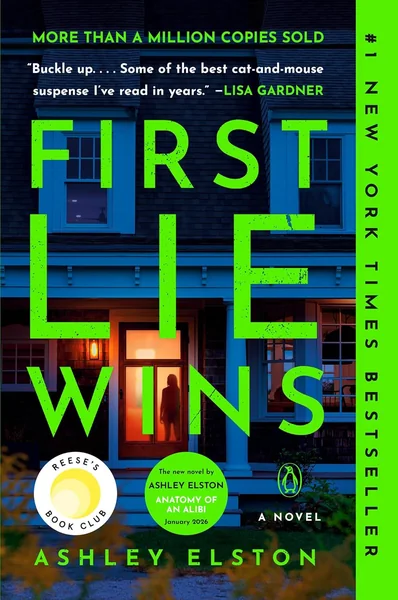
First Lie Wins by Ashley Elston: Reese's Book Club Thriller Review
Our Rating
3.8
A psychologically complex thriller about a con artist whose carefully constructed world unravels, offering strong character development and atmospheric Louisiana setting despite some predictable plot elements.
First Lie Wins: Reese's Book Club: A Novel by Ashley Elston is Trending
Readers Rediscovering This Reese's Book Club Pick
Ashley Elston's psychological thriller is gaining renewed attention as readers seek out gripping con artist stories with complex female protagonists and atmospheric Southern settings.
First Lie Wins is experiencing a wave of reader interest as book lovers gravitate toward psychological thrillers featuring morally ambiguous protagonists. The novel's focus on a con artist whose carefully constructed identity begins to crumble has struck a chord with readers looking for character-driven suspense.
The book's Reese's Book Club endorsement continues to drive discovery, particularly among readers who appreciate stories with strong female leads navigating deception and survival. Its Louisiana setting and exploration of reinvention themes resonate with current conversations about identity and authenticity that dominate social media discussions.
Readers drawn to authors like Gillian Flynn and Tana French are finding Elston's blend of psychological complexity and Southern Gothic atmosphere particularly appealing, making it a standout choice for thriller enthusiasts seeking their next compelling read.
In This Review
- What Works & What Doesn't
- A Con Artist's Carefully Constructed World
- Elston's Approach to Psychological Suspense
- The Players in This Game of Deception
- Identity, Loyalty, and Survival
- Where the Thriller Formula Shows
- A Solid Addition to Contemporary Thrillers
What Works & What Doesn't
What Works
- Sophisticated exploration of identity and moral ambiguity
- Atmospheric Louisiana setting that enhances the mood
- Strong character development for the unreliable protagonist
- Effective pacing of revelations and psychological tension
- Accessible writing style that doesn't sacrifice complexity
What Doesn't
- Some plot developments follow predictable thriller formulas
- Uneven pacing with rushed sections and slower introspective passages
- Several supporting characters remain underdeveloped
- Certain reveals feel telegraphed for experienced thriller readers
A Con Artist's Carefully Constructed World