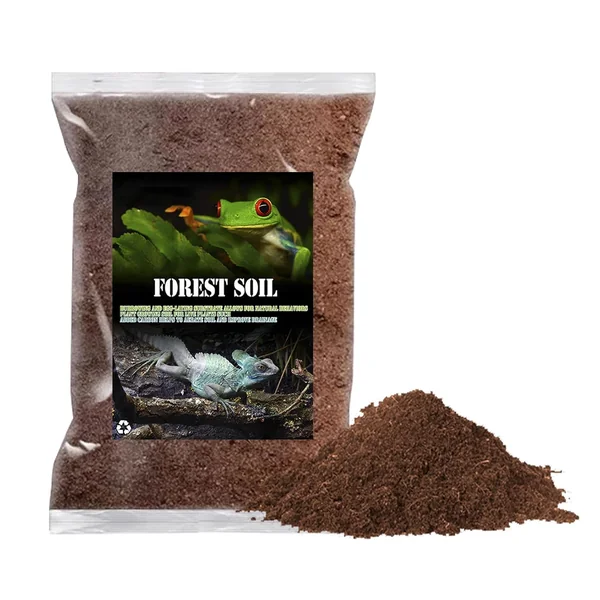
Is the BNOSDM Reptile Soil Substrate the right bedding choice for your reptile? This natural terrarium substrate promises to work across multiple species - from snakes and lizards to tortoises and tarantulas. The fluffy, small-strand composition looks appealing, but let's examine whether it delivers on safety and functionality.
The substrate features a fine, soil-like texture with small organic strands that create a naturalistic appearance. Unlike compressed substrates that can become dusty or compact, this bedding maintains a loose, breathable structure that allows for natural digging behaviors.
What sets this substrate apart is its multi-species compatibility claim. Most reptile owners stick to species-specific bedding, but having one substrate that works safely across different reptile types could simplify care routines for multi-pet households.
Size & Dimensions
The BNOSDM substrate comes in standard packaging sizes suitable for various terrarium dimensions. The loose, fluffy texture means it expands well when spread, providing good coverage depth for most enclosure sizes.
For adult snakes and larger lizards, you'll want a substrate depth of 2-3 inches to allow natural burrowing behaviors. Smaller species like leopard geckos need only 1-2 inches, while tortoises benefit from deeper layers of 3-4 inches for digging.
The small-strand composition works well for different reptile sizes. Unlike chunky bark or large pieces that can create gaps, this finer texture provides consistent coverage without creating hiding spots that might harbor bacteria or parasites.
Comfort & Materials
The natural soil composition creates a comfortable surface that mimics many reptiles' native environments. The organic material feels soft underfoot while maintaining enough structure to support movement and digging.
The substrate absorbs moisture effectively without becoming soggy or developing odors quickly. This is crucial for maintaining proper humidity levels in reptile enclosures, especially for species that require specific moisture gradients.
However, the fine texture can stick to reptiles with naturally sticky skin or those with injuries. Monitor newly introduced reptiles to ensure they're not ingesting excessive amounts during feeding or exploration.
Temperature retention is adequate - the substrate doesn't create hot spots near heating elements but maintains warmth reasonably well throughout the enclosure.
Cleaning & Care
Spot cleaning is straightforward with this substrate. The loose texture allows you to remove soiled areas easily without disturbing the entire setup. Complete substrate changes are recommended every 4-6 weeks depending on your reptile's size and waste production.
The substrate doesn't produce excessive dust during handling, which is important for reptile respiratory health. Some settling occurs initially, but this is normal and doesn't indicate quality issues.
Moisture management requires attention. While the substrate absorbs well, oversaturation can lead to mold growth. Ensure proper ventilation and avoid overwatering any live plants in the enclosure.
The natural composition means this substrate will eventually decompose, especially in high-humidity environments. This isn't necessarily negative - it mimics natural soil processes - but requires more frequent monitoring than synthetic alternatives.
Best For / Not Ideal For
This substrate works well for terrestrial reptiles that enjoy digging including ball pythons, corn snakes, bearded dragons, and Russian tortoises. The texture supports natural behaviors while maintaining cleanliness.
Multi-pet reptile owners will appreciate the versatility. Instead of maintaining separate substrate types, one product can serve multiple species safely.
Not recommended for reptiles prone to substrate ingestion issues, particularly young or sick animals that might consume large quantities. The fine particles could potentially cause impaction if eaten in significant amounts.
Avoid this substrate for fully aquatic setups or extremely high-humidity environments where rapid decomposition becomes problematic. Arboreal species that rarely interact with ground substrate won't benefit from its specific properties.
Very small reptiles like hatchling geckos might find the texture too loose for secure footing during their initial growth phases.
Worth It?
The BNOSDM substrate offers good value for reptile owners seeking a natural, multi-species solution. The price point sits in the middle range - not the cheapest option available, but reasonable considering the quality and versatility.
Compared to premium reptile substrates from established brands, this product performs similarly at a lower cost. However, it may require more frequent replacement than some synthetic alternatives.
The bottom line: if you maintain multiple terrestrial reptile species and prefer natural substrates, this product delivers solid performance. Single-species owners might find more targeted substrate options that better meet specific needs, but the BNOSDM substrate handles general requirements well across different reptile types.