BOOKS
Published
Read Time
4 min read
Our Rating
3.8
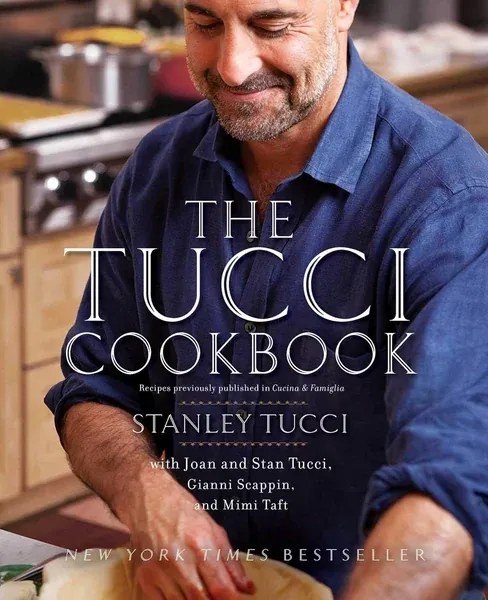
The Tucci Cookbook is a warm, personality-driven collection of Italian and Italian-American recipes that excels at connecting food to family and memory, though its informal structure and narrative-heavy approach make it a better companion than a comprehensive culinary reference.
Reviewed by
LuvemBooks
Share This Review
The Tucci Cookbook by Stanley Tucci Review: Italian Soul on Every Page
Our Rating
3.8
The Tucci Cookbook is a warm, personality-driven collection of Italian and Italian-American recipes that excels at connecting food to family and memory, though its informal structure and narrative-heavy approach make it a better companion than a comprehensive culinary reference.
In This Review
- What Works & What Doesn't
- The verdict
- Where it works
- Where it falls short
- Who should read it
- Where to Buy
What Works & What Doesn't
What Works
- Warm, personal voice that makes Italian-American culinary traditions feel alive and accessible
- Recipes are realistically achievable for home cooks without specialist equipment
- Honest emotional connection between food, family, and cultural heritage elevates it beyond a standard recipe collection
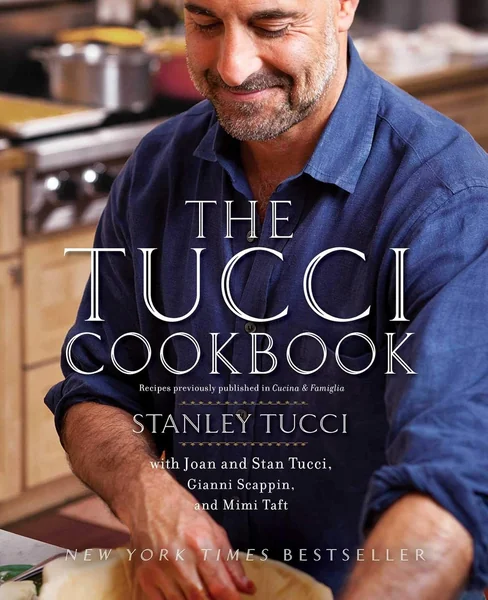
- Photography favors approachable, realistic presentation over over-styled food imagery
- New York Times bestseller status reflects its broad, genuine appeal
What Doesn't
- Scope is intentionally narrow; not a comprehensive guide to Italian regional cooking
- Balance between storytelling and instruction occasionally sacrifices technical precision
- Less useful as a quick kitchen reference due to narrative-heavy structure
- Beginners may want supplementary sources for technique fundamentals
The verdict
The Tucci Cookbook works best as a memoir that happens to include recipes rather than a cookbook that happens to tell stories. Stanley Tucci has crafted something genuinely charming here: a collection that prioritizes emotional resonance and family tradition over culinary completeness, making it ideal for readers who want to understand why certain dishes matter, not just how to make them. The trade-off is real—this isn't the book you'll reach for when you need a quick ratio or a reliable technique—but for those willing to meet it on its own terms, it delivers warmth and authenticity that most celebrity cookbooks only pretend to offer.
Where it works
Tucci's voice carries the entire project. Rather than adopting the authoritative tone of a trained chef, he writes as what he is: an enthusiastic home cook with deep roots in Italian-American family cooking. This honesty makes recipes like his family's Sunday gravy feel genuinely lived-in rather than reconstructed for publication. When he walks through the ritual of making pasta with his grandmother or describes the specific chaos of holiday meals, the food becomes inseparable from the people who made it.
The recipes themselves respect the home cook's reality. There's no assumption that readers own a pasta extruder or want to source obscure regional ingredients. His approach to dishes like roasted chicken or simple tomato sauce emphasizes technique over equipment, and the results are reliably good without requiring professional skills. The photography reinforces this accessibility—plates look like something you'd actually serve at your own table, not something styled for an hour under studio lights.
Where it falls short
The narrative-first structure that makes the book so readable also limits its utility as a kitchen tool. Recipes are embedded within longer stories, which means finding that risotto recipe again requires remembering which chapter it appeared in rather than flipping to an index organized by ingredient or technique. For cooks who want to browse by what's in the refrigerator, this becomes genuinely frustrating.
The book also doesn't pretend to be comprehensive, but the gaps are noticeable. Regional Italian cooking beyond Tucci's family's Calabrian roots gets minimal attention, and readers hoping to explore the full breadth of Italian cuisine will need to look elsewhere. More problematically, the balance between storytelling and instruction sometimes tips too far toward the former—certain recipes assume baseline knowledge that beginners may not have, particularly around pasta dough consistency or sauce reduction. The book trusts you to figure things out, which is charming until you're standing at the stove unsure whether your ragu is actually done.
Who should read it
This book serves two audiences particularly well: home cooks who already have basic technique down and want inspiration rooted in tradition, and readers who enjoy food writing as much as cooking itself. If you're the kind of person who reads recipes even when you're not planning to cook them, or who values understanding the cultural context behind a dish, The Tucci Cookbook will feel like an evening spent in good company. It's less suited for beginners seeking systematic instruction or for cooks who want a comprehensive Italian reference—those readers should start with Marcella Hazan or Lidia Bastianich before circling back to Tucci's more personal take. Think of it as the book that sits on your counter for a week, not the one that lives spine-out in your cookbook shelf alphabetized by cuisine.
Where to Buy
If you want Italian-American home cooking anchored in one family's real table, this earns its place on the shelf — the Amazon link in the sidebar has the current price.
Product Gallery