A Foundation Built on Balance
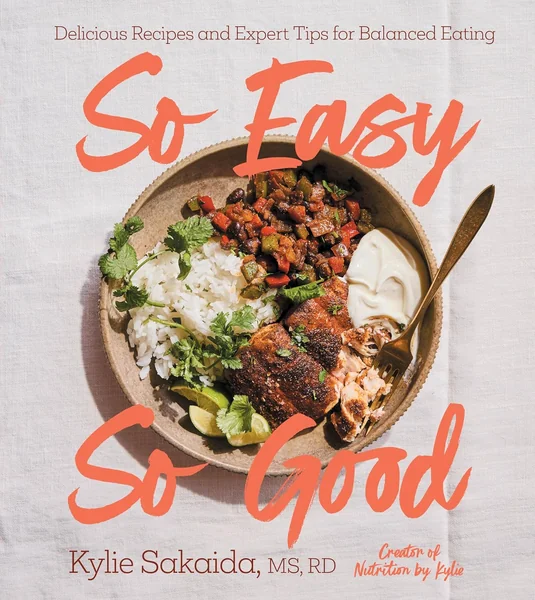
The cookbook's core philosophy centers on sustainable eating patterns rather than temporary dietary fixes. Sakaida structures her approach around the concept that balanced eating should feel natural, not forced or punitive. The visual presentation supports this message—the cover's food photography emphasizes fresh ingredients arranged in appealing but achievable combinations.
The "expert tips" component distinguishes this from purely recipe-focused cookbooks. Rather than simply providing instructions, Sakaida weaves nutritional guidance throughout, explaining the reasoning behind ingredient choices and meal compositions. This educational approach serves readers who want to understand the "why" behind healthy cooking, not just the "how."
The book's organization suggests a practical mindset. Rather than segregating recipes into rigid categories like "breakfast" or "dinner," the structure appears more fluid, acknowledging how modern eating patterns often blur traditional meal boundaries.
Sakaida's Accessible Approach
The author's writing style prioritizes clarity over culinary sophistication. Instructions remain straightforward without sacrificing flavor complexity, a balance many cookbook authors struggle to achieve. The recipes avoid intimidating technique-heavy preparations while still delivering satisfying results.
Sakaida demonstrates particular strength in ingredient accessibility. Rather than requiring specialty items available only at gourmet markets, the recipes rely on ingredients found in standard grocery stores. This practical consideration makes the cookbook viable for a broader audience, not just dedicated food enthusiasts with unlimited shopping budgets.
The nutritional guidance integrates seamlessly with the recipes rather than feeling like an afterthought. Sakaida explains how different ingredients contribute to overall nutritional goals without overwhelming readers with excessive detail or conflicting dietary theories.
Recipe Variety and Practical Application
The cookbook's recipe selection spans familiar comfort foods reimagined with healthier preparations alongside more adventurous flavor combinations. The salmon and rice bowl featured prominently in the marketing materials exemplifies this approach—recognizable components elevated through thoughtful seasoning and preparation techniques.
Meal prep considerations appear throughout, acknowledging how busy schedules often derail healthy eating intentions. Sakaida provides practical storage tips and make-ahead strategies that transform good intentions into sustainable habits. This attention to real-world constraints separates practical cookbooks from purely inspirational ones.
The portion guidance strikes a reasonable balance between adequate satisfaction and mindful eating. Rather than promoting restriction, the cookbook emphasizes satiety through nutrient-dense ingredient combinations and satisfying flavor profiles.
Where the Approach Succeeds and Stumbles
The cookbook's greatest strength lies in its practical accessibility for cooking beginners. Sakaida avoids the common cookbook trap of assuming extensive culinary knowledge, providing sufficient detail without condescension. The balance between simplicity and sophistication makes this approachable for various skill levels.
However, the "balanced eating" concept, while appealing in theory, sometimes lacks specificity. Advanced home cooks may find the approach too general, particularly those seeking more targeted nutritional guidance for specific health goals or dietary restrictions. The broad appeal comes at the cost of specialized depth.
The cookbook also faces the challenge of standing out in an oversaturated market. While the balanced approach offers genuine value, the execution must be exceptional to justify choosing this over established alternatives like The Mediterranean Diet Cookbook or The Complete Plant-Based Cookbook.
Worth Your Kitchen Counter Space?
So Easy So Good succeeds best for readers seeking a sensible middle path between restrictive dieting and completely unstructured eating. The cookbook serves beginners well while providing enough substance for more experienced cooks who appreciate straightforward, health-conscious recipes.
The book works particularly well for busy individuals who want to eat better without dedicating extensive time to meal planning or exotic ingredient sourcing. If you're looking for dramatic transformation or highly specialized dietary guidance, other resources might serve you better.
The bottom line: This cookbook delivers on its promise of making balanced eating more accessible. While it won't revolutionize your kitchen, it provides solid, practical guidance for sustainable healthy eating habits. The approach feels refreshingly realistic in a market often dominated by extreme positions.