
8 min read
4.4
· 21,888 Amazon ratingsShare This Review
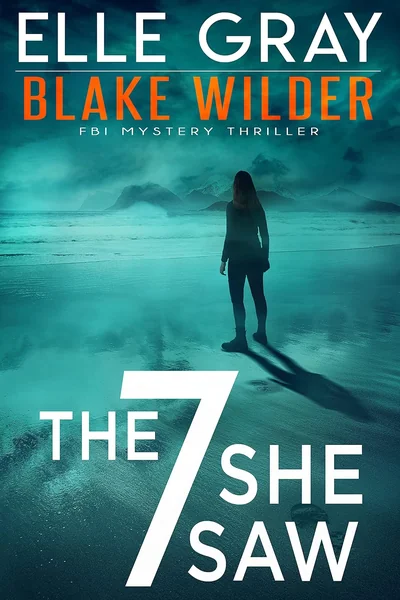
The 7 She Saw by Elle Gray Review: A Gripping Series-Starter FBI Thriller
The 7 She Saw launches Elle Gray's Blake Wilder FBI Mystery Thriller series with a protagonist haunted by personal tragedy, an investigation into three murders in a deceptively idyllic Washington coastal town, and a serial format that has since grown to over thirty installments — making this 2020 debut a foundation worth understanding on its own terms.
LuvemBooks Verdict
Best for
Readers who enjoy FBI procedurals anchored by a psychologically specific protagonist and are happy to commit to a long-running series — particularly those drawn to the "peaceful town hiding dark secrets" thriller architecture paired with an agent whose personal grief is the direct engine of her career.
Worth it if
The dual-track structure appeals — a self-contained Briar Glen murder investigation delivering immediate procedural satisfaction while Blake's unresolved family tragedy seeds a thirty-plus-book ongoing arc.
Skip if
Readers who need every mystery thread closed within a single volume, or who are sensitive to the craft trade-offs that can accompany rapid-release indie thriller publishing, should sample the prose before committing to a long series.
What readers & critics say
Bookwormex notes that Elle Gray placed a deliberate focus on making Blake Wilder stand out from the crowd of FBI protagonists, distinguishing her from the simple archetypes common to the genre. Bookseriesinorder.com describes Blake as a character driven by a dark past — joining the FBI specifically to uncover the truth behind her family's murders — framing the series as one built on personal vengeance and unresolved trauma rather than procedural ambition alone.
Sources: Bookwormex, Book Series in OrderAge & Reading Level
Recommended age
Adult
Reading level
Adult
3 content notes · who it suits
Content to know about
Skip if you want a fully self-contained thriller where every mystery resolves within a single volume.
In This Review
- What Works & What Doesn't
- What the Book Is and What It Contains
- The Protagonist and Her Emotional Stakes
- Significance and Series Scale
- Genuine Strengths
- Limitations and Who It May Frustrate
What Works & What Doesn't
What Works
- Dual-track structure pairs a contained murder investigation with Blake's long-running personal mystery, giving both plot momentum and emotional stakes from the first page
- Blake Wilder is designed as a psychologically specific protagonist — her family's tragedy is the direct engine of her FBI career, distinguishing her from more generic procedural heroes
- Briar Glen's affluent-coastal-town-hiding-dark-secrets setting provides a classic, effective thriller architecture
- The series has grown to over thirty installments as of 2025, indicating a large and sustained readership built on the foundation this opener establishes
- Serves readers who enjoy FBI procedurals with ongoing character arcs, making it a strong entry point for a long-form series commitment
What Doesn't
- Blake's family mystery — the murder of her parents and disappearance of her sister — is an open thread by design, which will frustrate readers who expect full resolution in a single volume
- The rapid-release, high-volume publishing pace of the broader series is a hallmark of the indie thriller market, and readers sensitive to the craft trade-offs that can accompany that format may want to sample the writing before committing to thirty-plus books
What the Book Is and What It Contains
The Protagonist and Her Emotional Stakes
Significance and Series Scale
Genuine Strengths
Limitations and Who It May Frustrate
Frequently Asked Questions
Sources & Further Reading
The key facts and claims in this review are grounded in the retrieved, verified sources listed below.
- Cited in this review
- 1
- 2
- Further reading
- 3
fantasticfiction.com
- 4
thriftbooks.com
- 5
bookseriesinorder.com
Related Reviews
Reviews of books we picked for readers who enjoyed The 7 She Saw.
Reader Comments
No comments yet
Be the first to share your thoughts!