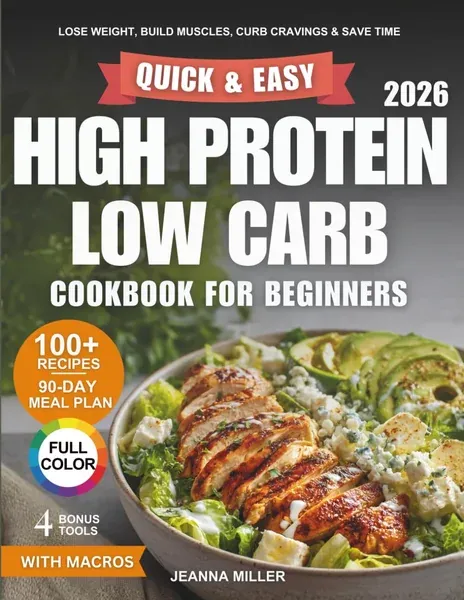
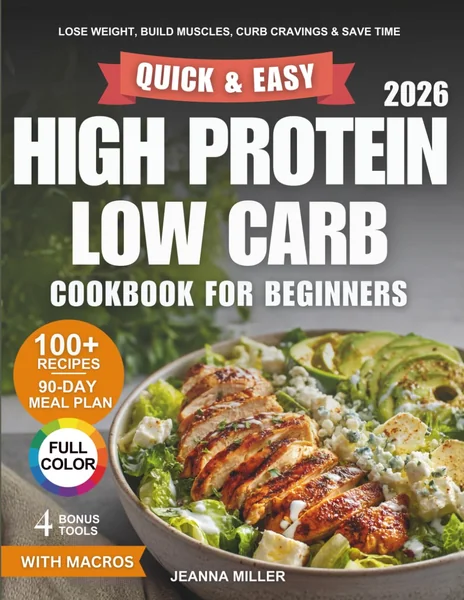
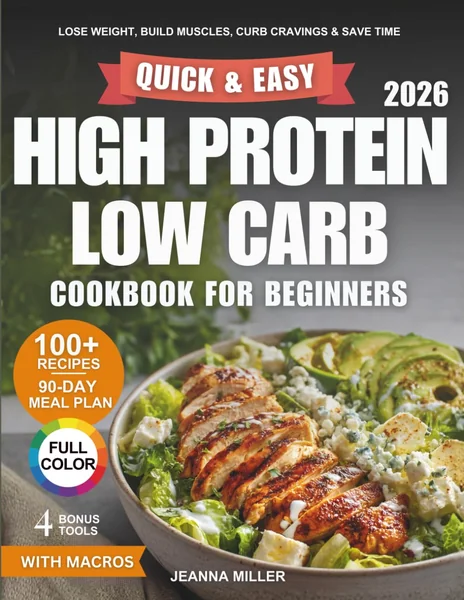
A Framework Built for the Time-Crunched
Miller structures her approach around a central premise: busy people need simple solutions. The book opens with foundational concepts about protein's role in muscle building and appetite control, but quickly pivots to practical implementation. Her 90-day meal plan removes decision fatigue by providing structured daily menus, complete with shopping lists and prep schedules.
The organizational system divides recipes by meal type and preparation time. Breakfast options range from five-minute egg scrambles to make-ahead protein bowls. Lunch and dinner categories emphasize one-pan meals and slow cooker options that require minimal active cooking time. This systematic approach acknowledges that for readers who want sustainable eating changes, convenience often trumps culinary creativity.
Miller's writing style remains conversational throughout, avoiding both nutritionist jargon and chef pretension. She explains why certain ingredient combinations work without overwhelming readers with biochemistry. The tone suggests someone who has struggled with meal planning herself rather than a distant expert dispensing advice.
The Recipe Collection Delivers on Practicality
The promised 100+ recipes span familiar territory: protein-forward salads, vegetable-packed casseroles, and simple grilled meats with creative seasonings. Miller's strength lies in making these fundamentals foolproof rather than revolutionary. Her turkey and zucchini meatballs require just seven ingredients. The slow cooker chicken thighs with cauliflower mash eliminates multiple cooking steps.
Practical exercises throughout the book include meal prep strategies and batch cooking techniques. Miller provides specific guidance for preparing proteins in advance, storing vegetables properly, and assembling quick meals from prepped components. These systems-focused sections distinguish the book from simple recipe collections.
The recipe instructions prioritize clarity over brevity. Miller includes timing estimates for each step and suggests ingredient substitutions for common dietary restrictions. The shopping lists organized by meal plan week remove another layer of complexity for overwhelmed beginners.
However, creativity takes a backseat to efficiency. Seasoning profiles remain conservative—garlic, herbs, basic spices. Readers seeking bold flavors or international influences will find limited options. The focus on "safe" combinations ensures broad appeal but may leave adventurous cooks wanting more.
Where the System Shows Limitations
The main weakness emerges in the book's narrow definition of "simple." Miller's recipes assume access to basic kitchen equipment and moderate cooking skills, yet the beginner framing suggests targeting true novices. Instructions occasionally skip steps that experienced cooks take for granted—proper pan heating, seasoning timing, doneness indicators.
The 90-day meal plan, while comprehensive, lacks flexibility for real-world complications. Miller provides limited guidance for adapting the schedule when ingredients aren't available or when life disrupts planned prep days. The rigid structure that helps some beginners may constrain others who need more responsive meal planning.
Unlike most high protein cookbooks, this guide doesn't address the social challenges of dietary changes. Restaurant strategies receive minimal coverage. Holiday and special occasion modifications aren't addressed. For a lifestyle approach claiming to fit busy lives, these omissions feel significant.
The nutritional information provided remains basic—macronutrient counts without deeper context about micronutrients or meal timing considerations. Readers interested in optimizing their approach beyond simple protein and carb targets will need supplementary resources.
The Bottom Line for Busy Beginners
Should you read this cookbook if you're starting a high protein, low carb approach? Miller delivers exactly what her title promises: simple recipes and structured meal planning ideal for parents and professionals who need efficient nutrition solutions. The 90-day framework provides enough structure to establish new habits without overwhelming decision-making.
Not recommended for readers seeking culinary inspiration or detailed nutritional education. This book functions as a practical tool rather than comprehensive guide. Advanced cooks may find the approaches too basic, while complete beginners might struggle with assumed knowledge gaps.
The bottom line: Miller's cookbook succeeds within its narrow scope. For time-pressed individuals wanting to implement high protein, low carb eating without extensive meal planning, it provides a functional roadmap. Just don't expect innovative recipes or deep nutritional insights along the way.