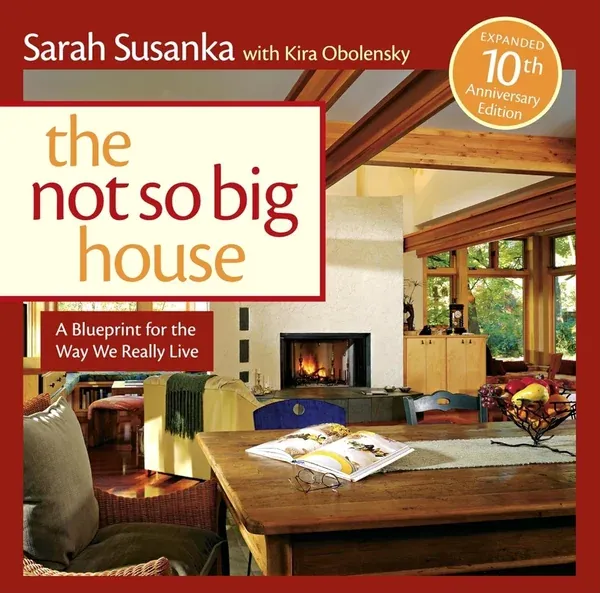
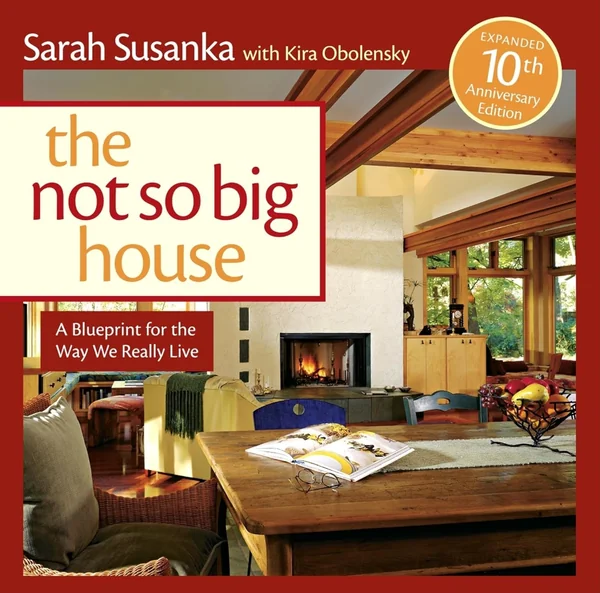
Is The Not So Big House worth reading in 2026? Sarah Susanka's influential 1998 architectural manifesto opens with a striking observation: "So many houses, so big with so little soul." This single sentence captures the essence of her revolutionary approach to residential design—one that prioritizes quality over quantity and psychological comfort over square footage. Nearly three decades later, Susanka's ideas feel more relevant than ever as housing costs soar and environmental consciousness grows.
The book presents a compelling argument against the American obsession with oversized homes, proposing instead that thoughtful design and spatial psychology can create more satisfying living environments in smaller footprints. For readers interested in architecture, interior design, or simply creating more meaningful domestic spaces, this remains essential reading that challenges conventional thinking about what makes a house a home.
Susanka's Revolutionary Design Philosophy
Sarah Susanka fundamentally reframes how we think about residential space. Rather than measuring success by square footage, she advocates for homes designed around actual living patterns. Her "Not So Big" philosophy emphasizes well-proportioned rooms that serve multiple functions, strategic use of natural light, and creating intimate spaces that encourage both solitude and connection.
The book draws inspiration from Frank Lloyd Wright's organic architecture principles, adapting his ideas for contemporary family life. Susanka argues that Americans have been conditioned to equate bigger with better, resulting in houses with formal dining rooms that sit empty and oversized family rooms that feel cavernous rather than cozy. Her alternative vision focuses on designing spaces that reflect how people actually live—combining kitchen, dining, and living areas into flowing, interconnected zones.
What sets this approach apart is its emphasis on psychological comfort over impressive dimensions. Susanka demonstrates how ceiling height variations, built-in storage, and carefully placed windows can make a 2,000-square-foot home feel more spacious and welcoming than a 4,000-square-foot McMansion.
Practical Wisdom Meets Architectural Theory
The book excels at translating abstract design principles into actionable guidance for homeowners. Susanka provides specific strategies for creating visual interest through architectural details like coffered ceilings, interior transoms, and strategic placement of built-ins. She explains how borrowing space between rooms—through interior windows or partial walls—can maintain privacy while enhancing the sense of openness.
Her discussion of natural light goes beyond simply adding more windows. Susanka explains how morning light in breakfast areas and evening light in living spaces can enhance daily rhythms, while clerestory windows can bring illumination deep into interior spaces without sacrificing privacy. These aren't just aesthetic choices but evidence-based approaches to improving daily life through environmental design.
The book also addresses practical concerns like storage and maintenance. Susanka argues that thoughtful built-ins and carefully planned spaces can eliminate clutter more effectively than simply adding square footage, while smaller homes naturally require less maintenance and lower utility costs.
Where Wright Meets Real Life
Susanka's background as a practicing architect brings credibility to her theoretical framework. She understands both the aspirational aspects of home design and the practical constraints most families face. Her case studies feature real homes with realistic budgets, showing how Not So Big principles can be applied across different architectural styles and price points.
The book demonstrates how elements borrowed from Wright's Prairie School—horizontal lines, integrated built-ins, and strong connections between interior and exterior spaces—can work in contemporary suburban contexts. Susanka shows homeowners how to achieve architectural sophistication without requiring a Wright-level budget or a landmark property.
Her discussion of renovation versus new construction is particularly valuable. She provides frameworks for determining when existing homes can be transformed through strategic modifications versus when starting fresh makes more sense—practical advice that could save readers thousands of dollars in architectural fees and construction costs.
The Limitations of the Blueprint
While Susanka's philosophy is compelling, the book shows its age in several ways. Published in 1998, it doesn't address contemporary concerns like home offices, aging in place, or energy efficiency standards that have evolved significantly over the past quarter-century. The examples feel dated, featuring design elements and color palettes that may not resonate with current aesthetic preferences.
The book also assumes a level of design sophistication and budget flexibility that may not reflect most readers' reality. Many of the featured homes required extensive custom millwork and architectural details that could easily add tens of thousands to construction costs. Susanka occasionally glosses over the practical challenges of implementing her vision within typical subdivision restrictions or HOA requirements.
Additionally, while the book advocates for smaller homes, it doesn't fully grapple with the lifestyle trade-offs this might require for families with different needs—particularly those with multiple children, elderly relatives, or home-based businesses.
A Lasting Influence on American Home Design
Despite these limitations, The Not So Big House fundamentally influenced residential architecture over the past two decades. Many of Susanka's ideas—open floor plans, great rooms, and multi-functional spaces—have become standard in contemporary home design. Her emphasis on quality over quantity helped pave the way for the tiny house movement and renewed interest in craftsman-style details.
For readers interested in architecture, interior design, or sustainable living, this book provides valuable perspective on creating more intentional domestic environments. It's particularly useful for homeowners planning renovations or custom builds who want to maximize satisfaction while minimizing square footage and environmental impact.
The book works best as a philosophical framework rather than a step-by-step manual. Readers looking for specific floor plans or detailed construction guidance should supplement this with more technical resources, but those seeking inspiration for rethinking residential space will find Susanka's vision both compelling and practical.
Where to Buy
You can find The Not So Big House at Amazon, local bookstores, or directly from Taunton Press, the original publisher of this influential architectural guide.