
8 min read
4.7
· 3,694 Amazon ratingsShare This Review


Our review
I'll Start Again Monday by Lysa TerKeurst Review: Faith-Driven Guide to Breaking Eating Cycles
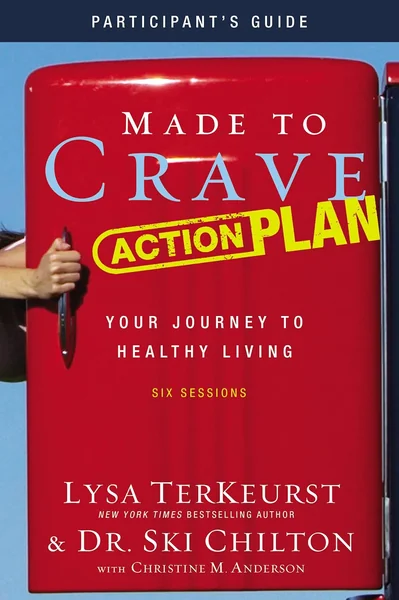
I'll Start Again Monday is a revised and condensed edition of Lysa TerKeurst's bestseller Made to Crave, reframing the struggle with unhealthy eating habits as a spiritual issue rather than a dietary one — best suited to Christian readers seeking motivation and accountability rooted in faith.


 Tap to enlarge
LuvemBooks Verdict
Best for
Christian women who feel emotionally exhausted by the perpetual restart cycle of conventional dieting and are looking for spiritually grounded motivation to make lasting lifestyle changes alongside a practical health plan they already follow.
Worth it if
The reader approaches food and body struggles through a Christian faith lens and wants a condensed, empathetic companion resource — rooted in TerKeurst's personal experience — that addresses the emotional and spiritual roots of unhealthy eating rather than prescribing a diet.
Skip if
Secular readers, those who prefer evidence-based behavioral or nutritional guidance, or anyone who has already worked deeply through the original Made to Crave should look elsewhere — the book's entire motivational architecture rests on a theological premise, and the condensed format offers limited new material for returning readers.
What readers & critics say
Retailer and ministry store listings consistently frame the book as a spiritually motivated companion resource rather than a diet plan, with Christianbook.com describing it as "the necessary resource to use alongside whatever healthy lifestyle plan you choose" to help readers find their "want to" for lasting change. The p31bookstore.com and cschristian.com listings both highlight TerKeurst's personal struggle with the lose-regain cycle as central to the book's empathetic appeal.
Sources: Christianbook.com, p31bookstore.com, cschristian.comAge & Reading Level
Recommended age
Adult
Reading level
Adult
who it suits
Skip if you're looking for evidence-based nutritional or behavioral guidance rather than a faith-centered motivational framework.
In This Review
- What Works & What Doesn't
- What the Book Is and What It Argues
- The Book's Central Framework and Design
- Significance and Its Relationship to *Made to Crave*
- Genuine Strengths
- Who This Book Is For — and Who It May Frustrate
What Works & What Doesn't
What Works
- Draws on TerKeurst's personal experience with the lose-regain cycle, lending the book an empathetic and relatable tone
- Explicitly designed to complement any existing healthy lifestyle plan rather than compete with or replace it
- A condensed, revised edition of the original Made to Crave makes the core argument more accessible and focused
- Holds a 4.5 out of 5 stars on Christianbook.com, reflecting strong reader resonance within its target audience
- Written by a seven-time New York Times bestselling author with an established platform in Christian living
What Doesn't
- The book's entire motivational framework is theological, making it a poor fit for secular readers or those preferring evidence-based behavioral approaches
- Functions as a companion resource rather than a standalone program, so readers seeking concrete dietary or nutritional instruction will need additional resources
- Readers who already own and have worked through the original Made to Crave may find limited new material in this condensed edition
What the Book Is and What It Argues

The Book's Central Framework and Design

Significance and Its Relationship to *Made to Crave*
Genuine Strengths
Who This Book Is For — and Who It May Frustrate
Frequently Asked Questions
Sources & Further Reading
The key facts and claims in this review are grounded in the retrieved, verified sources listed below.
- Cited in this review
- 1
p31bookstore.com
- 2
- Further reading
- 3
Lysa TerKeurst, Wikipedia
- 4
Related Reviews
Reviews of books we picked for readers who enjoyed I'll Start Again Monday.
Reader Comments
No comments yet
Be the first to share your thoughts!