
8 min read
4.7
· 1,390 Amazon ratingsShare This Review

Half Baked Harvest Quick & Cozy by Tieghan Gerard Review: Comfort Food Fast, From a Proven Bestseller
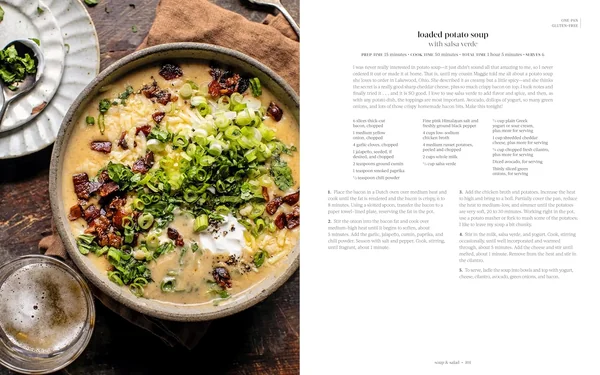
Half Baked Harvest Quick & Cozy is Tieghan Gerard's fourth cookbook, published by Clarkson Potter in November 2024, and a New York Times bestseller. It delivers more than 120 comfort-food recipes designed for speed and big flavor — most completable in under forty-five minutes, many in a single pot or pan — making it a natural fit for home cooks who want soul-warming meals without a complex ingredient list. This review assesses the book's content, structure, and reception from published sources, not a kitchen test.
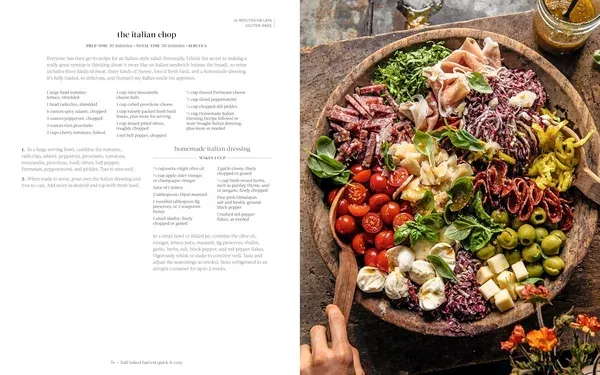
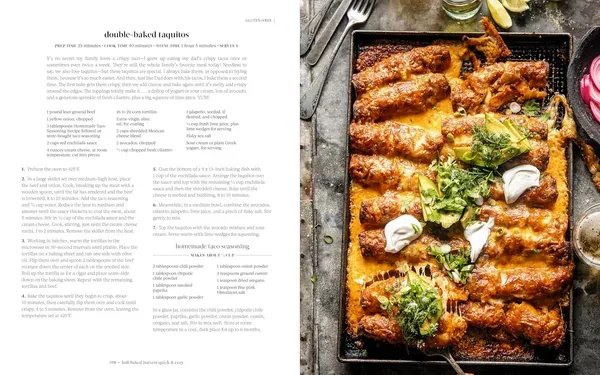
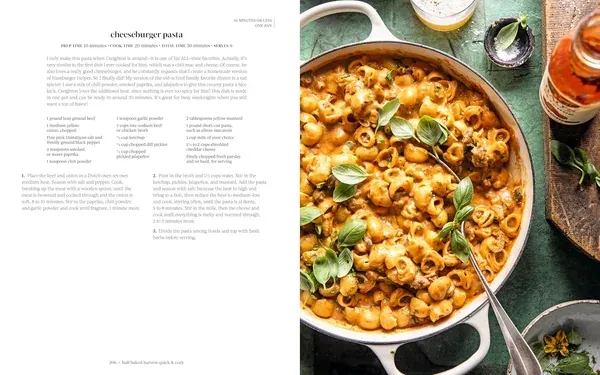 Tap to enlarge
LuvemBooks Verdict
Best for
Home cooks — especially those feeding families or groups — who want a single volume covering breakfast through dessert with flavorful, comfort-focused recipes that come together in under forty-five minutes using everyday pantry staples.
Worth it if
You're new to the Half Baked Harvest universe, or you're a devoted blog follower who wants Gerard's most current cooking sensibility in a format that emphasises smart sauce work and one-pot convenience across a genuinely broad range of dishes.
Skip if
You already own Half Baked Harvest Super Simple and found it sufficient, or you're seeking technically ambitious recipes, deep regional cuisine exploration, or cooking that stretches beyond familiar comfort-food territory.
What readers & critics say
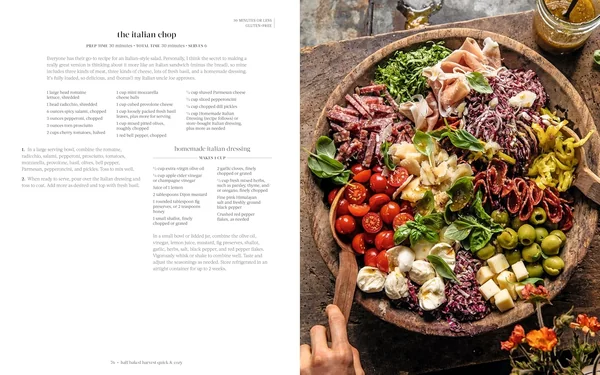
Clearview Library describes the book as "an amazing collection of over 120 cozy recipes with options to fit any diet or flavor preferences," highlighting its convenience and flavour. Asnotedbyme.com, reviewing all four of Gerard's cookbooks, calls her blog photography "wow wow wow" and positions Quick & Cozy as the culmination of a consistent, visually striking series.
Sources: Clearview Library, As Noted By MeAge & Reading Level
Recommended age
Adult
Reading level
Adult
who it suits
Skip if you're looking for technically ambitious, globally adventurous, or ingredient-driven cooking that ventures beyond comfort-food classics.
In This Review
- What Works & What Doesn't
- What the Book Is and What It Contains
- Significance and Place in the Genre
- What the Book Does Well
- Genuine Limitations
- Who This Book Is For
What Works & What Doesn't
What Works
- A New York Times bestseller with more than 120 recipes spanning breakfast through dessert, offering genuine range across a single volume
- Designed around a one-pot/one-pan approach and a sub-forty-five-minute window for most recipes, directly addressing the weeknight time crunch
- Flavor-forward philosophy prioritizes sauces, dressings, and unexpected twists — such as Bang Bang Sauce on Garlic Butter Steak Bites or Crispy Edges on Sheet Pan Mac & Cheese — rather than long ingredient lists
- Plant-forward options like Chipotle Cheddar Corn Chowder and Spinach and Pesto-Stuffed Butternut Squash sit alongside meat-centered family dishes, broadening the book's appeal
- Gerard's background cooking for a large family from a young age, combined with her established Half Baked Harvest blog following, gives the collection a clear, tested-in-practice editorial voice and a built-in community of engaged fans
What Doesn't
- The cookbook's explicit comfort-food, crowd-pleasing orientation means cooks seeking technically ambitious or globally adventurous recipes will find the collection limited in that direction
- The heavy emphasis on speed and simplicity — while a strength for busy households — means the book adds less incremental value for readers who already own Gerard's similarly positioned earlier title, Half Baked Harvest Super Simple
What the Book Is and What It Contains
Significance and Place in the Genre
What the Book Does Well
Genuine Limitations
Who This Book Is For
Frequently Asked Questions
Sources & Further Reading
The key facts and claims in this review are grounded in the retrieved, verified sources listed below.
- Cited in this review
- 1
selfpublishingtitans.com
- 2
- 3
- Further reading
- 4
halfbakedharvest.com
- 5
asnotedbyme.com
- 6
- 7
Related Reviews
Reviews of books we picked for readers who enjoyed Half Baked Harvest Quick & Cozy.



Reader Comments
No comments yet
Be the first to share your thoughts!