
BOOKS
Published
Read Time
5 min read
Our Rating
4.2
Reviewed by
LuvemBooks
Share This Review
Paradise Lost by John Milton (Penguin Classics) - Review
Our Rating
4.2
Milton's Paradise Lost remains essential literature despite challenging 17th-century language, offering complex characterization of Satan and profound exploration of free will that transcends religious boundaries.
In This Review
- What Works & What Doesn't
- Satan as Literature's Most Compelling Villain
- Milton's Poetic Mastery and Challenges
- Adam, Eve, and the Question of Free Will
- Themes That Transcend Religious Boundaries
- Where Milton's Ambition Exceeds Execution
- Essential Reading Despite Its Challenges
What Works & What Doesn't
What Works
- Satan emerges as literature's most psychologically complex villain
- Blank verse achieves genuine poetic sublimity in key passages
- Theological and philosophical themes remain intellectually engaging
- Adam and Eve relationship shows surprising psychological depth
- Profound influence on subsequent literary tradition
What Doesn't
- Archaic language and syntax create significant reading barriers
- Uneven pacing with lengthy theological exposition in middle books
- Some gender and hierarchical assumptions feel dated
- Requires substantial time investment and careful attention
Satan as Literature's Most Compelling Villain
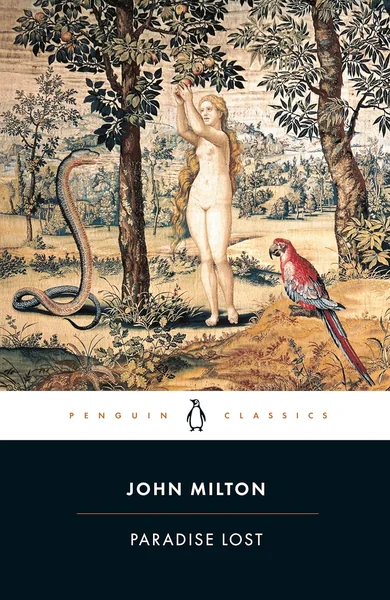
Paradise Lost (Penguin Classics) by John Milton front cover
A theological epic whose psychological ambitions exceed its doctrinal ones — Satan compels where God instructs. Milton's greatest achievement lies in creating Satan as a genuinely complex antagonist. Rather than a one-dimensional force of evil, this fallen angel possesses charisma, intelligence, and twisted nobility that makes him simultaneously repulsive and magnetic. His famous declaration "Better to reign in Hell than serve in Heaven" captures a defiant individualism that has fascinated readers for centuries.
The psychological depth Milton brings to Satan's character development rivals anything in modern literature. We witness Satan's gradual degradation from magnificent archangel to desperate tempter, his internal struggles between pride and despair creating genuine dramatic tension. Beelzebub and the other fallen angels provide a supporting cast that illustrates different responses to divine judgment.
Milton's Poetic Mastery and Challenges
The blank verse structure Milton employs—unrhymed iambic pentameter—creates a grand, elevated tone befitting the cosmic subject matter. His language achieves genuine sublimity in passages describing celestial warfare or the beauties of unfallen Paradise. The invocation to his muse at the poem's opening establishes an epic scope that Milton consistently maintains across twelve books.
However, modern readers will struggle with the archaic syntax and vocabulary. Milton's Latinate sentence structures, inverted word order, and classical allusions create significant barriers for contemporary audiences. The Penguin Classics edition helps with helpful footnotes, but the language density requires careful, often slow reading to fully appreciate.
Adam, Eve, and the Question of Free Will
The relationship between Adam and Eve provides the poem's emotional heart, particularly in their conversations before and after the Fall. Milton presents Adam and Eve as genuinely equal partners in their unfallen state, with Eve possessing intelligence and agency that was progressive for the 17th century. Their dynamic shifts dramatically after eating the forbidden fruit, introducing conflict and gender tension that reflects Milton's complex views on marriage and hierarchy.
The theological implications of free will permeate every aspect of their story. Milton argues that true virtue requires the ability to choose evil and reject it — making the possibility of the Fall necessary for meaningful obedience to God. This raises real philosophical stakes rather than offering simple moral instruction.
Themes That Transcend Religious Boundaries
While Christian doctrine dominates most readings of Paradise Lost, the poem speaks to secular readers as well. Satan's debate with himself in Book IV — weighing pride against regret — captures the psychology of someone who knows they are wrong and chooses wrong anyway. The conflict between personal freedom and social order, and the price of knowledge, stay live topics.
Milton's treatment of gender roles, while reflecting his era's limitations, still offers surprising complexity. Eve's intellectual curiosity drives the plot forward, and her final reconciliation with Adam suggests partnership rather than mere subordination. The poet's republican politics also infuse the work with subtle critiques of absolute authority that extend beyond purely theological contexts.
Where Milton's Ambition Exceeds Execution
The main weakness of Paradise Lost lies in its uneven pacing across twelve books. Books VII-VIII, dealing with the creation of the world, lack the dramatic intensity of Satan's rebellion or the Fall sequence. Milton's attempts to "justify the ways of God to men" sometimes result in lengthy theological exposition that slows narrative momentum.
The poem also feels dated in its assumptions about cosmic hierarchy and gender relations. While Milton was progressive for his time, modern readers may struggle with the ultimate subordination of human reason to divine will that the poem endorses. The concluding books, featuring Archangel Michael's prophecy of human history, read more like religious instruction than compelling poetry.
Essential Reading Despite Its Challenges
Paradise Lost remains highly recommended for serious readers of literature, despite its considerable demands. Its influence on Blake, Shelley, and writers beyond makes it culturally essential. More importantly, Milton's portrait of Satan — a brilliant mind that chose ruin and cannot stop justifying the choice — is the poem's lasting achievement, and it earns the effort.
Best suited to adult readers and advanced students willing to work through challenging verse, this epic rewards patience with genuine intellectual and aesthetic depth. Readers drawn to the psychology of power and rebellion — more than its theology — will find the most to hold onto. If that's you, the Amazon link in the sidebar has the current price for the Penguin Classics edition.
Frequently Asked Questions
Is Paradise Lost (Penguin Classics) by John Milton worth reading in 2026?
Based on my 4.2/5 rating, Paradise Lost remains absolutely worth reading for its revolutionary portrayal of Satan as literature's most compelling villain. Milton's complex characterization of the fallen angel as charismatic yet repulsive creates a reading experience that continues to influence literature and our understanding of evil nearly 400 years later.
Who should read Paradise Lost (Penguin Classics)?
This epic poem is perfect for literature enthusiasts, theology students, and anyone interested in exploring complex moral questions through masterful storytelling. Readers who appreciate character-driven narratives with philosophical depth will find Milton's nuanced portrayal of good, evil, and rebellion particularly rewarding.
How does Paradise Lost compare to other classic epic poems like The Iliad or Dante's Inferno?
Unlike Homer's action-focused epics or Dante's allegorical journey, Paradise Lost stands apart for its psychological complexity and moral ambiguity. Milton's Satan is far more nuanced than traditional literary villains, offering readers a villain with genuine charisma and twisted nobility that makes the work uniquely thought-provoking.
What is the main takeaway from Paradise Lost by John Milton?
The central insight is Milton's brilliant subversion of the traditional good-versus-evil narrative by creating a Satan who embodies both repulsive evil and compelling charisma. This complexity forces readers to grapple with uncomfortable questions about the nature of evil and the fine line between rebellion and righteousness.
Why is Satan considered the most compelling character in Paradise Lost?
Milton's Satan possesses intelligence, charisma, and a twisted nobility that makes him simultaneously fascinating and horrifying rather than a simple force of evil. This multi-dimensional portrayal creates a genuinely complex antagonist who challenges readers' expectations and remains one of literature's most memorable villains.
At $9.33, is Paradise Lost (Penguin Classics) worth buying?
At $9.33, this Penguin Classics edition offers excellent value for one of literature's most influential works. Given the book's enduring relevance and Milton's masterful character development, particularly his revolutionary portrayal of Satan, it's a worthwhile investment for any serious reader's library.
What makes Paradise Lost challenging to read and how can I prepare?
Milton's complex language, biblical references, and philosophical themes can be demanding for modern readers. However, the Penguin Classics edition typically includes helpful annotations, and focusing on the psychological drama between characters rather than getting lost in theological details makes the epic much more accessible.
Related Reviews
Reviews of books we picked for readers who enjoyed Paradise Lost.
Reader Comments
No comments yet
Be the first to share your thoughts!