BOOKS
Published
Read Time
7 min read
Our Rating
4.2
A psychologically intense Gothic masterpiece that explores the destructive nature of obsessive love with uncompromising honesty, requiring emotional maturity from its readers.
Reviewed by
LuvemBooks
Share This Review
Wuthering Heights by Emily Brontë Review: Gothic Romance or Dark Warning?
Our Rating
4.2
A psychologically intense Gothic masterpiece that explores the destructive nature of obsessive love with uncompromising honesty, requiring emotional maturity from its readers.
In This Review
- What Works & What Doesn't
- A Tale of Two Houses and Endless Revenge
- Brontë's Uncompromising Vision
- The Inhabitants of the Moors
- Love, Revenge, and the Corruption of the Soul
- Where It Challenges Modern Readers
- A Gothic Masterpiece That Demands Maturity
What Works & What Doesn't
What Works
- Psychologically complex characters that resist simple categorization
- Powerful atmospheric writing that perfectly captures the Yorkshire moors
- Unflinching exploration of toxic relationships and revenge cycles
- Innovative narrative structure that serves the story's themes
- Themes that remain disturbingly relevant to modern readers
What Doesn't
- Relentlessly intense tone offers little emotional relief
- Complex narrative structure can confuse some readers
- Disturbing content may be inappropriate for younger readers
- Second half feels less compelling than the passionate first half
A Tale of Two Houses and Endless Revenge
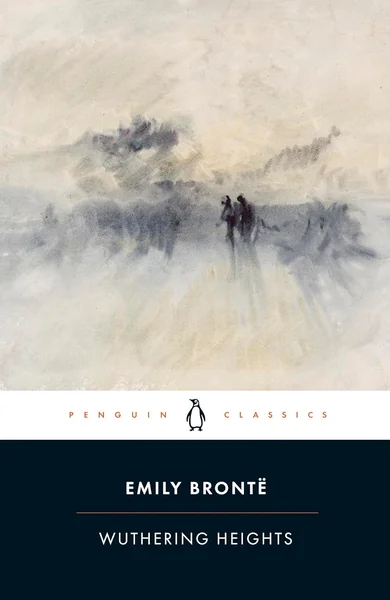
A Gothic novel that earns its classic status by refusing every comfort the genre usually offers. Wuthering Heights unfolds through a complex narrative structure that mirrors its chaotic emotional landscape. The story centers on two Yorkshire estates: the wild, storm-battered Wuthering Heights and the civilized Thrushcross Grange. When the mysterious foundling Heathcliff arrives at Wuthering Heights, his presence ignites a cycle of passion and vengeance that will consume two generations.
Brontë's genius lies in her refusal to romanticize destructive love. Where other Gothic novels might present dark passion as seductive, Wuthering Heights shows its devastating consequences. The relationship between Heathcliff and Catherine Earnshaw isn't passionate romance—it's mutual psychological destruction. Their famous declaration "I am Heathcliff" sounds poetic until you realize it describes complete loss of individual identity.
The novel's structure, with multiple narrators and time shifts, initially seems needlessly complicated. Yet this fragmented storytelling serves Brontë's purpose: we piece together the truth as reluctant witnesses, never getting the full story from any single perspective. Like the characters themselves, we're forced to navigate partial truths and unreliable accounts.
Brontë's Uncompromising Vision
Emily Brontë writes with a stark intensity that sets her apart from her sisters Charlotte and Anne. Where Jane Eyre offers redemption through moral growth, Wuthering Heights presents characters who remain fundamentally unchanged by their suffering. Brontë's prose style matches this unforgiving worldview—spare, precise, and occasionally beautiful in its brutality.
The author's background growing up on the isolated Yorkshire moors infuses every page with authentic atmosphere. The landscape isn't mere backdrop but an active force shaping the characters' wild temperaments. Brontë understood that environment shapes psychology, and her descriptions of the harsh moorland perfectly mirror her characters' emotional states.
What makes the writing remarkable is its emotional honesty. Brontë refuses to soften her characters' worst impulses or provide easy moral lessons. When Heathcliff systematically destroys the lives around him, she doesn't excuse his actions because of his tragic backstory. When Catherine chooses social advancement over authentic feeling, Brontë doesn't justify the decision. This moral complexity makes the novel perpetually unsettling.
The Inhabitants of the Moors
The characters in Wuthering Heights resist simple categorization as heroes or villains. Heathcliff remains literature's most controversial antihero—simultaneously sympathetic victim and cruel oppressor. His transformation from abused child to vengeful adult feels psychologically believable, yet Brontë never asks us to excuse his later cruelties.
Catherine Earnshaw embodies the novel's central conflict between civilization and wildness. Her decision to marry Edgar Linton while claiming her soul belongs to Heathcliff creates the story's tragic momentum. Catherine isn't weak or indecisive—she's torn between incompatible desires that ultimately destroy her.
The supporting characters serve as foils to this central passion. Edgar Linton represents civilized restraint, while Hindley Earnshaw shows how suffering can corrupt without ennobling. Even minor figures like Nelly Dean and Lockwood function as more than narrative devices—they're representatives of conventional society trying to make sense of extraordinary passions.
The second generation—young Catherine, Hareton, and Linton Heathcliff—offers a counterpoint to their parents' destructive patterns. Their storyline suggests the possibility of breaking cycles of revenge, though Brontë keeps this resolution deliberately muted.
Love, Revenge, and the Corruption of the Soul
Wuthering Heights explores themes that remain disturbingly relevant: how childhood trauma shapes adult behavior, the difference between passion and love, and revenge's self-destructive nature. Brontë presents these without the moral clarity Victorian readers expected, which explains the novel's initially hostile reception.
The book's most unsettling insight is that passion without boundaries becomes indistinguishable from hatred. Heathcliff and Catherine's love doesn't elevate them — it strips them to their most primitive impulses. Readers familiar with discussions of toxic relationships will recognize patterns that Brontë named long before psychology had terms for them.
The theme of social class runs throughout the narrative, but not in the way readers might expect. Heathcliff's rise from outcast to property owner doesn't represent triumph over prejudice—it shows how the oppressed can become oppressors when given power. Brontë understood that changing social positions doesn't necessarily change character.
Where It Challenges Modern Readers
The main weakness of Wuthering Heights lies in its relentless intensity. The novel offers little relief from its characters' emotional extremes, which can feel exhausting rather than cathartic. Unlike other Gothic novels that balance darkness with moments of hope or humor, Brontë maintains her harsh tone throughout most of the narrative.
The complex narrative structure, while thematically appropriate, can confuse readers already struggling with the story's emotional demands. Multiple time shifts and narrators require careful attention that may challenge younger readers or those expecting straightforward storytelling.
Some critics argue that the novel's second half, focusing on the younger generation's less dramatic relationships, feels anticlimactic after the passionate intensity of Heathcliff and Catherine's story. While this shift serves Brontë's thematic purposes, it can leave readers feeling that the novel loses momentum in its final third.
The book's treatment of violence—both physical and emotional—remains genuinely disturbing. Modern sensitivity to domestic abuse makes some scenes particularly difficult to read, especially Heathcliff's treatment of his wife Isabella and his psychological torment of his own son.
A Gothic Masterpiece That Demands Maturity
Wuthering Heights deserves its status as a literary classic, but it's not a book for every reader. The novel requires emotional maturity to process its dark themes without romanticizing destructive behavior — the violence against Isabella alone rules it out for younger teenagers. Adults and older teenagers prepared for its psychological intensity will find it offers unparalleled insight into human nature's capacity for both cruelty and the fragile possibility of redemption.
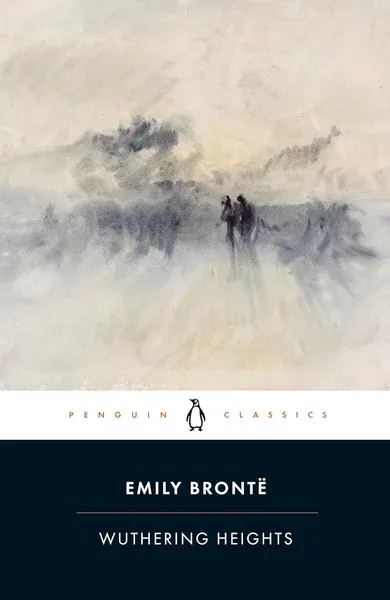
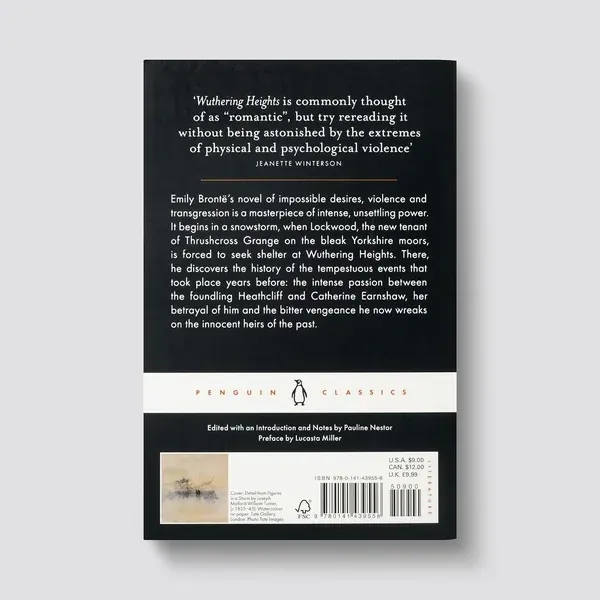
The Penguin Classics edition enhances accessibility without diminishing the novel's power. Nestor's editorial contributions provide valuable context for understanding the book's place in literary history and its continued relevance to contemporary readers.
This isn't comfort reading or escapist fiction—it's a challenging work that demands active engagement with difficult questions about love, revenge, and human nature. Readers who appreciate psychological complexity and moral ambiguity will find it rewarding, while those seeking clear heroes and happy endings should look elsewhere.
Product Gallery
Related Reviews
Reviews of books we picked for readers who enjoyed Wuthering Heights.