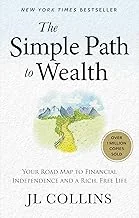
Is The Simple Path to Wealth worth reading for anyone serious about building long-term wealth? JL Collins presents a deceptively simple investment philosophy that has gained a devoted following among financial independence seekers. Rather than complex strategies or hot stock tips, Collins advocates for a straightforward approach centered on low-cost index fund investing—but does this simplicity actually deliver results?
Readers familiar with A Random Walk Down Wall Street or The Bogleheads' Guide to Investing will recognize the fundamental philosophy here, though Collins presents it with a more personal, accessible voice. The book's mountain-themed cover design reflects its core message: wealth building is a steady climb, not a sprint to quick riches.
The Core Investment Philosophy
Collins builds his entire wealth-building strategy around a single premise: most investors should put their money in one low-cost stock market index fund and leave it alone. Specifically, he advocates for the Vanguard Total Stock Market Index Fund (VTSAX), arguing that this single investment provides sufficient diversification across the entire U.S. stock market.
The author dismisses more complex investment strategies as unnecessary complications that often hurt returns more than they help. His approach eliminates the need for stock picking, market timing, or elaborate asset allocation models. Instead, Collins focuses on three key principles: spend less than you earn, invest the difference in low-cost index funds, and avoid debt except for mortgages.
This radical simplification will frustrate readers seeking sophisticated investment strategies or detailed technical analysis. Collins deliberately avoids discussing bonds, international diversification, or alternative investments in any meaningful depth, viewing them as unnecessary complications for most investors.
Making Complex Concepts Accessible
Collins excels at explaining market volatility and long-term thinking in plain English. He uses straightforward analogies and real-world examples to demystify concepts that intimidate many beginning investors. The book addresses common psychological barriers to investing, such as the fear of market crashes and the temptation to panic-sell during downturns.
The author's writing style reflects his background as a blogger rather than a traditional financial advisor. He writes conversationally, sharing personal anecdotes and family stories that make abstract financial concepts more relatable. This approach makes the book particularly effective for readers who find traditional investment literature dry or intimidating.
However, the informal tone occasionally undermines the book's authority. Collins sometimes oversimplifies complex economic concepts or dismisses legitimate investment strategies with insufficient analysis. His confidence in his chosen approach, while reassuring to readers, can come across as dogmatic when discussing alternative viewpoints.
The Limitations of Simplicity
While Collins' simple approach has clear benefits, it also creates significant blind spots. The book focuses almost exclusively on U.S. stock market investing, giving minimal attention to international diversification or other asset classes. This narrow focus may not serve all readers equally well, particularly those nearing retirement or living in other countries.
The author's dismissal of bonds and more conservative investments reflects a high-risk tolerance that may not match all readers' situations. Collins acknowledges this limitation but doesn't provide sufficient guidance for readers who need more balanced portfolios due to age, health concerns, or other circumstances.
The book also lacks detailed discussion of tax-advantaged accounts, estate planning, or insurance considerations that play crucial roles in comprehensive financial planning. These omissions make the book more of a starting point than a complete wealth-building guide.
Practical Implementation and Real-World Application
Collins provides specific, actionable steps for readers ready to begin investing. He offers detailed instructions for opening investment accounts, setting up automatic contributions, and maintaining the discipline to stay invested during market turbulence. The book includes practical advice about emergency funds, debt reduction, and expense management that supports the overall investment strategy.
The author's emphasis on automation and simplicity makes his approach particularly appealing to busy professionals who want effective investing without constant portfolio management. His strategy requires minimal ongoing attention once established, freeing readers to focus on earning more money rather than managing investments.
However, the book's practical advice assumes readers have steady employment and disposable income to invest. Collins provides limited guidance for people with irregular income, significant debt, or other financial constraints that might prevent consistent investing.
A Valuable but Incomplete Guide
The Simple Path to Wealth succeeds as an introduction to low-cost index fund investing and long-term wealth building. Collins' straightforward approach will benefit readers overwhelmed by complex investment advice or paralyzed by analysis paralysis. The book's emphasis on behavioral discipline and long-term thinking addresses some of the most common investment mistakes.
The strategy Collins advocates has solid theoretical support and historical evidence behind it. His focus on low fees, broad diversification, and consistent investing aligns with academic research on successful long-term wealth building. For readers willing to embrace this simple approach, the book provides a clear roadmap to financial independence.
However, the book's limitations become apparent for readers with complex financial situations or those seeking comprehensive financial planning guidance. Collins' one-size-fits-all approach may not serve everyone equally well, and his dismissal of other investment strategies seems unnecessarily absolute.
You can find The Simple Path to Wealth at Amazon, your local bookstore, or directly from major booksellers.
Where to Buy
You can find The Simple Path to Wealth at Amazon, your local bookstore, or directly from major booksellers.