


8 min read
4.4
· 1,387 Amazon ratingsShare This Review
Freakonomics by Steven D. Levitt & Stephen J. Dubner Review: A Cultural Phenomenon With Real Bite
Freakonomics, the debut non-fiction collaboration between University of Chicago economist Steven D. Levitt and New York Times journalist Stephen J. Dubner, published by William Morrow on April 12, 2005, applies economic theory to a deliberately provocative range of subjects — from sumo wrestling corruption and crack-cocaine earnings to the role of legalized abortion in reducing crime — and went on to sell over 4 million copies worldwide by late 2009, spawning a multi-media franchise that redefined popular economics writing.
LuvemBooks Verdict
Best for
Curious general readers who enjoy having their assumptions challenged and want an accessible, data-driven introduction to incentive-based thinking across subjects ranging from crime and parenting to baby names.
Worth it if
You're drawn to counterintuitive arguments grounded in real data and can engage critically with contested conclusions — particularly the abortion-crime thesis — without needing the book to deliver a single unified theory.
Skip if
You're looking for a rigorous, cohesive work of economics proper or expect every provocative claim to be settled science — the episodic structure offers no sustained argument, and several core theses remain actively disputed in academic literature.
What readers & critics say
Wikipedia records that Freakonomics has been widely described as melding pop culture with economics, selling over 4 million copies worldwide by late 2009 and spawning a multi-media franchise. The Guardian's review captures the book's rhetorical engine — that incentives govern modern life, conventional wisdom is frequently wrong, and experts exploit informational advantages — and notes Levitt's standing in academic circles as "a demi-god, one of the most creative people in economics and maybe in all social science."
“Levitt is considered a demi-god, one of the most creative people in economics and maybe in all social science.”
— The GuardianIn This Review
- What Works & What Doesn't
- What the Book Actually Is and Does
- The Central Arguments and Chapter Breakdown
- Reach, Significance, and Cultural Impact
- Strengths: Accessibility and the Power of Incentive Thinking
- Limitations and Genuine Controversies
What Works & What Doesn't
What Works
- Applies economic incentive analysis to a genuinely diverse range of subjects, making each chapter feel like a self-contained revelation
- The Levitt–Dubner collaboration successfully bridges academic research and accessible journalism, lowering the barrier to entry for non-specialist readers
- Sold over 4 million copies worldwide by late 2009, demonstrating rare crossover appeal and cementing its place as a defining work in popular non-fiction
- Credited with helping establish the data-driven, counterintuitive popular non-fiction genre, giving the book lasting influence beyond its own pages
- Backed by Levitt's peer-reviewed academic work — including the abortion-crime paper co-authored with John Donohue — grounding its most provocative arguments in published research
What Doesn't
- The episodic chapter structure produces no unified theoretical argument, which frustrates readers expecting a cohesive analytical through-line
- Several of the book's central claims — most notably the abortion-crime thesis — remain actively contested in academic literature, and at least one legal dispute arose from its handling of another researcher's work
- Critics including economist Ariel Rubinstein have argued the book misrepresents what economics as a discipline actually does, blurring it with sociology and criminology
What the Book Actually Is and Does

The Central Arguments and Chapter Breakdown
Reach, Significance, and Cultural Impact
Strengths: Accessibility and the Power of Incentive Thinking
Limitations and Genuine Controversies
Frequently Asked Questions
Sources & Further Reading
The key facts and claims in this review are grounded in the retrieved, verified sources listed below.
- Cited in this review
- 1
- 2
en.wikipedia.org
- 3
- 4
mrbeland.weebly.com
- Further reading
- 5
- 6
- 7
- 8
Related Reviews
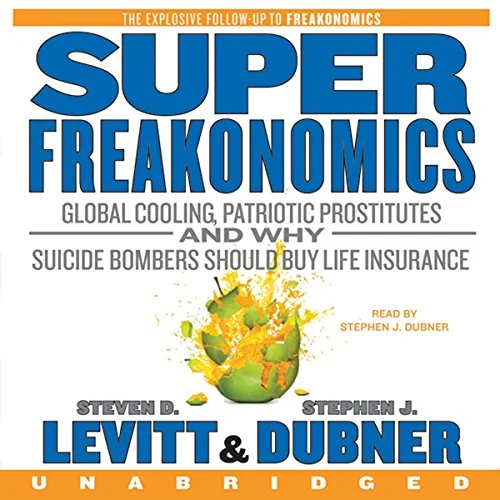
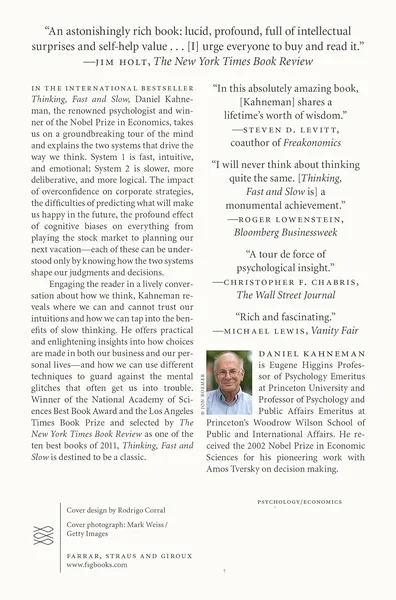
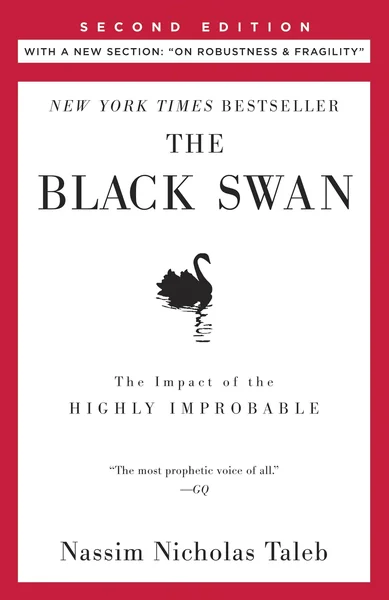
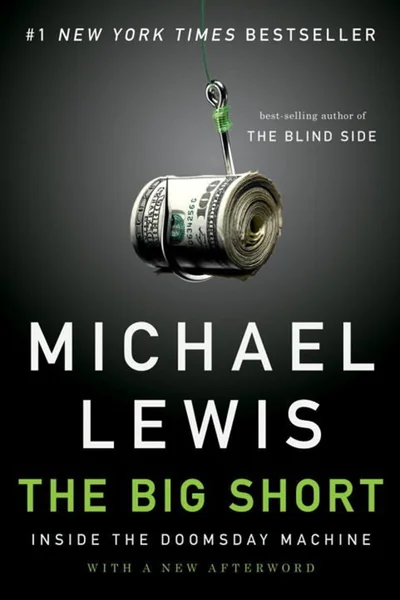
Reviews of books we picked for readers who enjoyed Freakonomics.
Reader Comments
No comments yet
Be the first to share your thoughts!