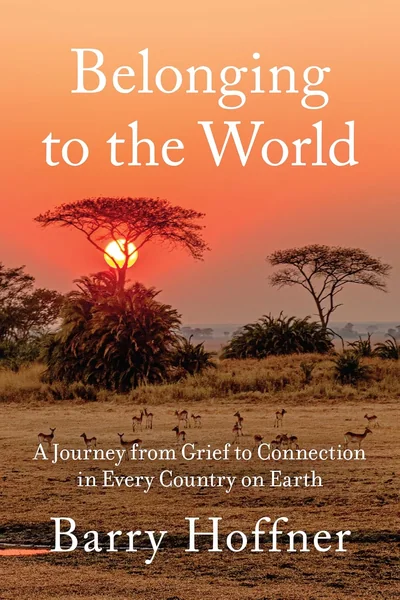
A Voice Shaped by Loss and Discovery
Hoffner writes with the rawness of someone who has genuinely confronted life's harsh realities. His prose alternates between lyrical descriptions of distant landscapes and unflinching introspection about grief's relentless presence. The writing never feels performative or crafted for social media consumption. Instead, it reads like journal entries from someone who discovered that healing happens not despite our pain, but through honest engagement with it.
The narrative structure mirrors the unpredictability of both travel and mourning. Some chapters focus intensively on a single country's impact, while others sweep through multiple destinations as external movement reflects internal turbulence. This approach prevents the book from becoming a simple travelogue with therapeutic overtones.
The Geography of Human Connection
What distinguishes this memoir from other travel-as-healing narratives is Hoffner's focus on genuine human encounters rather than scenic tourism. He demonstrates how authentic connections transcend cultural and linguistic barriers when approached with vulnerability rather than tourist curiosity. The book documents moments where strangers become temporary family, offering comfort that professional therapy couldn't provide.
These interactions avoid the problematic "noble savage" trope common in Western travel writing. Hoffner presents people as complex individuals navigating their own challenges, not as exotic sources of wisdom for his personal journey. This respectful approach makes the book's emotional revelations feel earned rather than appropriated.
Confronting Grief Without Easy Answers
The book's greatest strength lies in its refusal to present travel as a cure-all for emotional trauma. Hoffner acknowledges that geographic distance cannot outrun internal pain—a lesson learned repeatedly across continents. He documents setbacks, moments of profound loneliness despite being surrounded by new experiences, and the frustrating non-linearity of healing.
This honest portrayal makes the book valuable for anyone who has been offered simplistic advice about "getting over" loss. Hoffner demonstrates that healing involves integration rather than elimination of painful experiences. The journey becomes about learning to carry grief differently, not about leaving it behind.
Where the Journey Stumbles
Despite its emotional authenticity, the book occasionally suffers from uneven pacing. Some countries receive extensive exploration while others feel rushed, creating an imbalanced reading experience that mirrors the chaotic nature of ambitious travel but doesn't always serve the narrative effectively.
The ambitious scope sometimes works against thematic depth. Certain profound encounters deserved more extensive reflection, while other experiences feel included primarily to maintain the "every country" premise rather than for their meaningful contribution to the healing narrative.
Belonging to the World succeeds because it documents genuine change rather than promising easy transformation. Readers seeking inspiration porn or simple travel escapism may find Hoffner's honest examination of persistent pain disappointing. However, those who have experienced significant loss will likely recognize the authentic voice of someone who has done the difficult work of rebuilding meaning.
The book works best for readers comfortable with emotional complexity and interested in how geographic exploration can serve psychological healing without becoming a substitute for addressing underlying trauma. It's particularly valuable for anyone who has felt pressured to "move on" from loss according to others' timelines.
This memoir joins other notable works that examine travel as a response to crisis, though Hoffner's focus on systematic global exploration while processing grief creates a unique perspective within the genre. The book offers no easy answers, but provides companionship for anyone navigating the long, unpredictable path through loss toward renewed connection with the world.